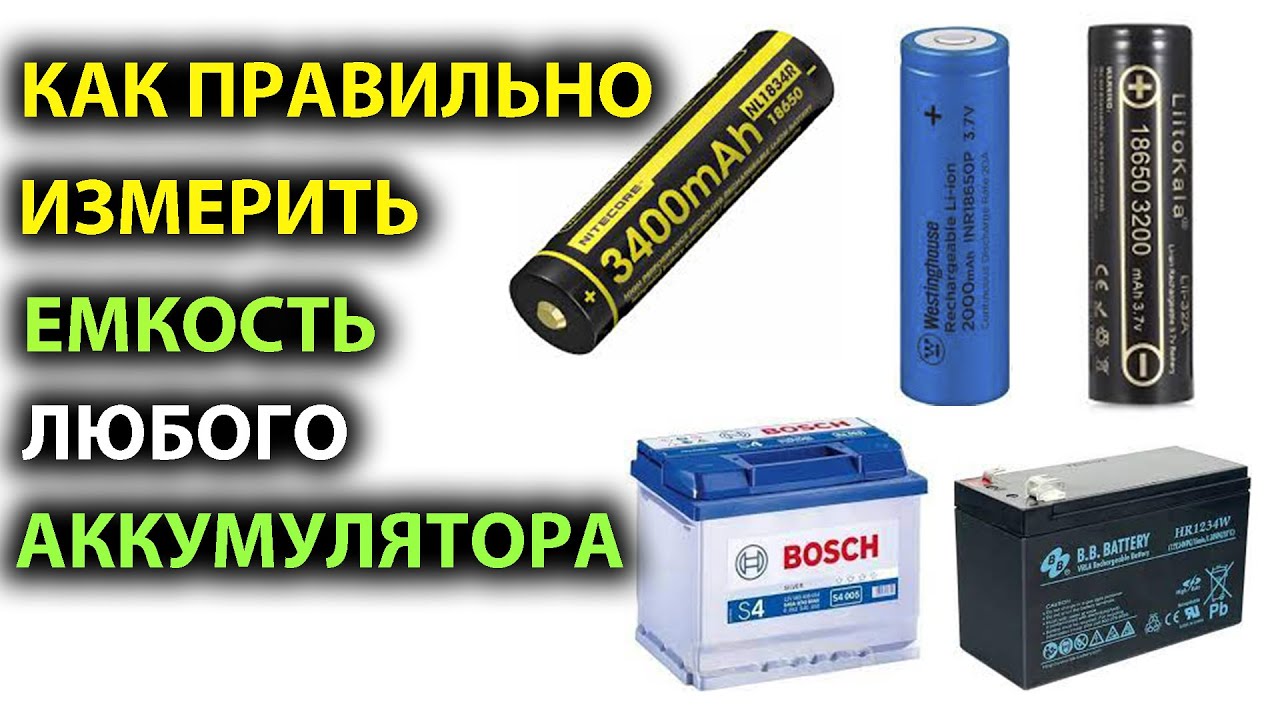
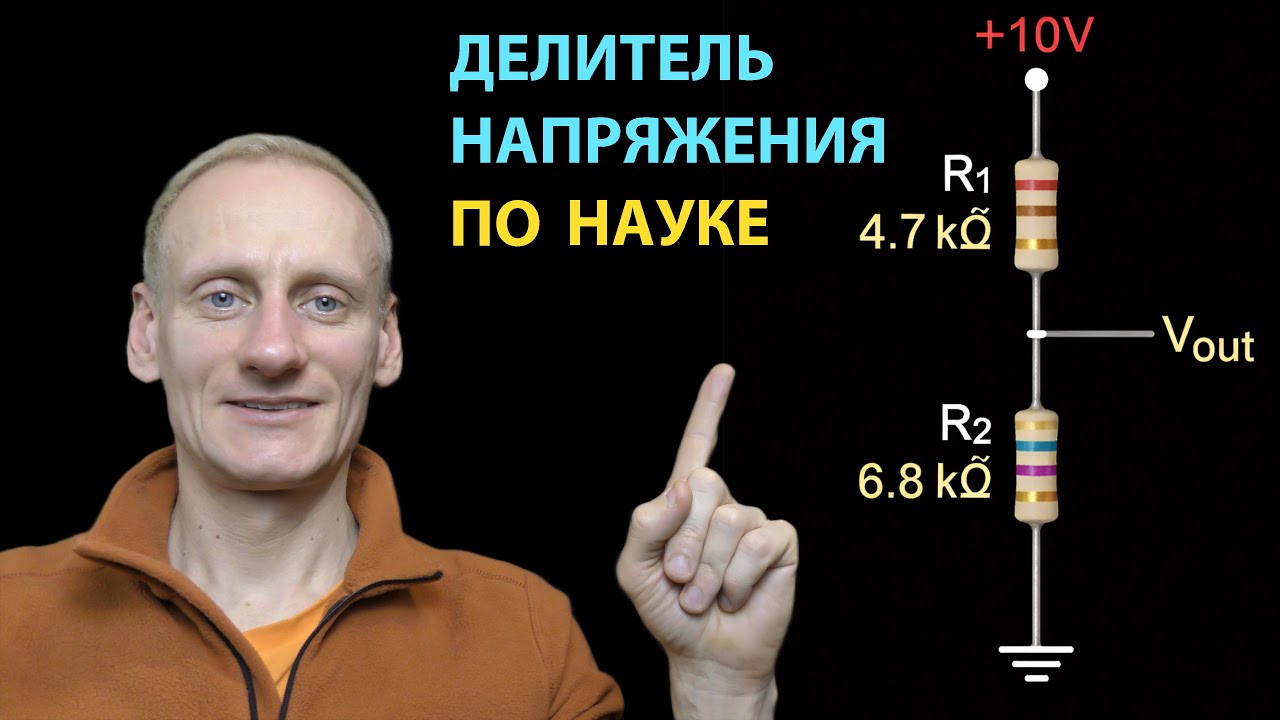
Параллельное соединение: Скрытая угроза внутри вашего аккумулятора.
Автор: Max See
Загружено: 2026-01-23
Просмотров: 37
В этом видео разбираем тему параллельного соединения аккумуляторов разных типов, включая Li-ion и литий-железо-фосфатные (LiFePO4) батареи. Вы узнаете, как правильно наращивать емкость вашей сборки и какие опасности могут подстерегать при работе с литием.
Темы:
→ Химия и Напряжение: Почему вольтаж напрямую зависит от материалов внутри ячейки и почему 4.2 В — это предел безопасности для стандартного лития?
→ Алгоритм зарядки: Как работает метод CC/CV (постоянный ток / постоянное напряжение) и что происходит с ионами лития внутри банки?
→ Параллельное соединение (P): Для чего оно нужно и как при неизменном напряжении увеличить время работы и доступную силу тока?
→ Риски и Нюансы: Чем опасен перепад напряжения между банками даже в 0.1 В и что такое «уравнительные токи»? Разбираем сценарии выхода из строя: от безопасного обрыва до опасного теплового разгона.
→ Защита и Контроль: * «Тесловский метод»: использование индивидуальных предохранителей для каждой ячейки.
→ BMS против Балансира: почему BMS — это «охранник», а балансир — «ювелир», и как их правильно сочетать.
Главный вывод: Устойчивость любой параллельной группы полностью зависит от однородности её элементов. Не смешивайте разные банки и всегда выравнивайте напряжение перед сборкой.
Приятного просмотра! Если материал был полезен — жмите лайк! I’ll be back с новыми видео о последовательном соединении!
-------
Video Title Options
Parallel Battery Connection: Basics, Risks & Pro Assembly Guide
Don't Burn Your Battery! All about Li-ion & LiFePO4 Parallel Wiring
Building Battery Packs: Parallel (P), BMS, and Short Circuit Protection
Battery 101: Capacity, Current, and Safety in Parallel Connections
Video Description
In this video, we provide a structured, fundamental guide to the parallel connection of various battery types, including Lithium-ion and Lithium Iron Phosphate (LiFePO4/LFP). You will learn how to correctly increase your pack's capacity and what critical risks to avoid when working with lithium.
What we cover in this episode:
Chemistry & Voltage: Voltage is the potential difference between "plus" and "minus," which depends entirely on the internal chemical materials. We explain why 4.2V is the strict safety limit for standard Li-ion.
The Charging Process: A detailed look at the CC/CV (Constant Current / Constant Voltage) algorithm. We explain the "Fast Fill" (CC) stage and the "Finishing" (CV) stage where ions physically migrate from cathode to anode.
Parallel Connection (3P, 4P, etc.): Why use it to increase runtime and available current. We show how voltage remains the same while capacity and current scale proportionally.
Critical Risks & "Internal Resistance": Every cell has internal resistance that affects its lifespan. We discuss why even a 0.1V difference can cause dangerous equalizing currents and thermal runaway.
Protection Methods: * The "Tesla Method": Using thin wire fuses for every individual cell.
BMS vs. Balancer: Understanding why the BMS is the "security guard" and the balancer is the "jeweler".
Hardware Identification: How to spot a balancing circuit by looking for resistor groups and transistors on the PCB.
Key Takeaway: The stability of a parallel group depends entirely on the homogeneity of its elements. Always equalize voltage to within ±0.05V before connecting cells.
If this material was helpful, please hit the Like button! I’ll be back with new videos on series and mixed connections

Доступные форматы для скачивания:
Скачать видео mp4
-
Информация по загрузке: