TEXAS SHELF COMPANIES TO BUILD BUSINESS CREDIT
Автор: GrouchyGuillermo
Загружено: 2026-01-06
Просмотров: 35
TEXAS AGED SHELF COMPANIES TO BUILD BUSINESS CREDIT
Today, we're diving into the world of Texas shelf companies – what they are, the common pitfalls, and a game-changing solution that could save you time, money, and headaches. If you're starting or expanding a business in Texas, this is for you. Stick around, because we'll cover real case studies, expert opinions, and even some key questions to ask yourself. Let's get started!
First off, what's the big goal here? Simple: Avoid the roadblocks that brand-new companies face. Imagine this – a business that's at least two years old lets you skip the skepticism. You can snag business loans, win over customers, and lock in real estate leases like a pro. Lenders see you as credible and stable, putting you right in the ring with established players.
Here’s the Texas twist – and it's a problem. Texas law requires you to disclose company owners when filing. So, if you buy an aged shelf company formed right here in Texas, public records show the original incorporator as owner number one, and you as number two. That can raise eyebrows with lenders, who might question your business's true history once those records are updated.
And it gets worse. Texas shelf companies often come loaded with risks, such as unpaid back taxes, penalties, or even forfeiture if they are not appropriately maintained. Some get forfeited and reinstated, and poof – lenders might ignore the age altogether. Plus, with Texas's higher annual fees, including franchise taxes, these companies cost more to buy and keep.
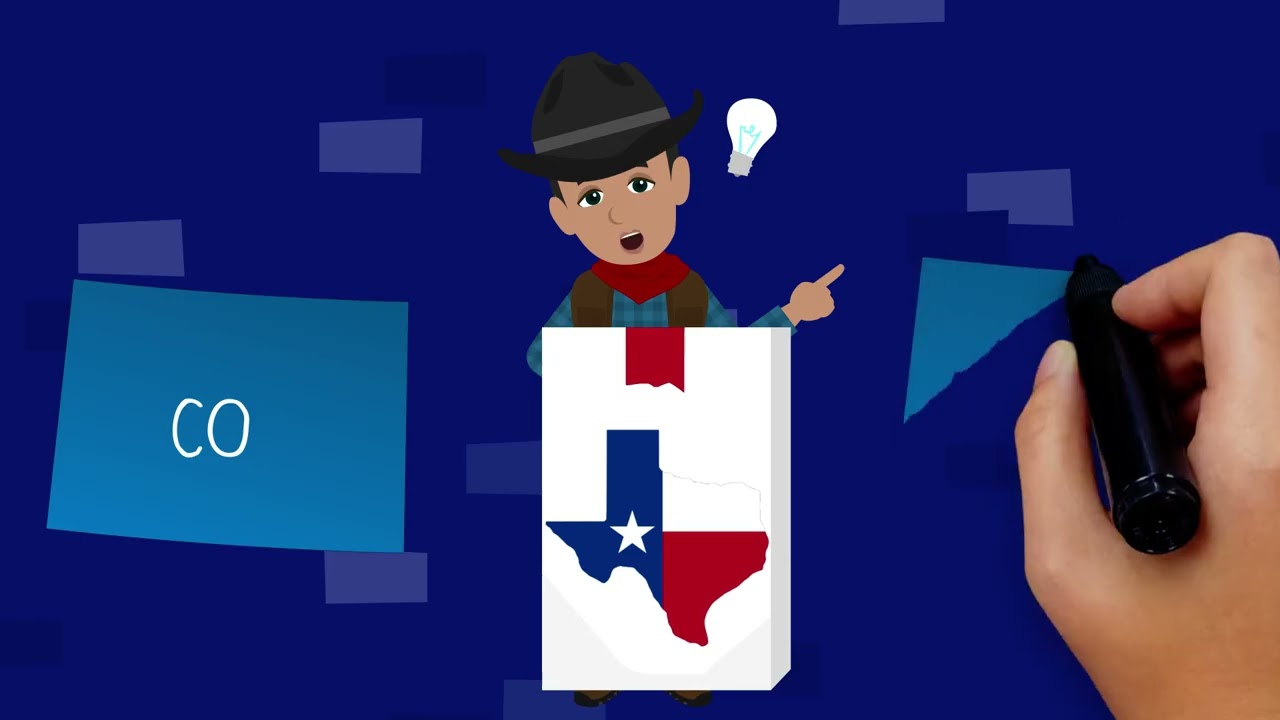
Don't worry – there's an effective workaround. Think outside the Texas box and grab a shelf company from states like Colorado or New Mexico, where owners aren't publicly disclosed. These states keep LLCs and corporations private, with no names in filings or annual reports.
Here's how it works: Buy an aged company from Colorado or New Mexico, then register it as a foreign entity in Texas. Use Form 301 for corporations or 304 for LLCs and declare yourself as the owner. Since no prior owners were listed publicly, you show up as the original owner in Texas records. Boom – the company's age is honored, and you look like the founder from day one.
This is super timely with thousands flocking to Texas daily – it's a normal process. And the savings? Huge! Low maintenance fees in those states mean lower prices for you, plus a “cleaner” company without tax baggage. Privacy-wise, ownership changes stay hidden, preserving that all-important continuity for credit, loans, and contracts.
Operationally, it's a win. You get the same credibility boost without hurdles. Just get a certificate of good standing, check name availability in Texas, pay about $750 for corporations, and you're set to operate. Pay the Texas franchise tax once you're up and running, but delay full exposure until then. Perfect for small biz owners building credit on a budget.
Why Colorado and New Mexico? They let you file without owner details, so when you hit Texas, you're seen as the original. Lenders love that – most want at least two years of company age, and they check that your app matches public records. Pro tip: Keep your business address within 32 miles of home – post-COVID, even a home address flies.
Let's make this real with some case studies.
Case Study 1:
Take this real estate entrepreneur in Austin. She couldn't lease space with her fresh LLC. Snagged a 4-year-old Colorado corp for just $1,600 – way less than a Texas one. Registered it, appeared as original owner, and landed a $105,000 lines of credit and credit cards. Six months later? Her first property deal was remodeled after receiving lines of credit from Home Depot and Lowe's.
Case Study 2:
Or this tech startup relocating to Dallas. Bought a 5-year-old New Mexico LLC for $1,900. No prior owners shown, so he is seen as the “founder.” Won a contract over newer rivals, boosted revenue 200% in year one. He invested the savings in marketing – smart move!
Case Study 3:
And an online retailer in Houston? Her Texas shelf company had forfeiture drama, killing credit apps. Switched to a clean Colorado LLC, filed it in TX, and got approved for a $100,000 lines of credit. Lesson: Out-of-state avoids pitfalls.
My take? The Colorado-Texas or the New Mexico-Texas route is practical and value-packed. Business formation pros rave about the benefits of business credit and savings, especially in booming Texas. Lenders want consistent records – and this delivers. For speed and savings, it's tops, but always grab legal advice to dodge surprises.
There you have it – your roadmap to Texas shelf company success. If this helped, hit that like button, subscribe for more biz tips, and drop questions in the comments. Check out ASSETPROFILE.COM for more details. Thanks for watching – see you next time!
Доступные форматы для скачивания:
Скачать видео mp4
-
Информация по загрузке: