Chronic Lateral Ankle Instability - Everything You Need To Know - Dr. Nabil Ebraheim
Автор: nabil ebraheim
Загружено: 2016-12-14
Просмотров: 267361
Dr. Ebraheims animated educational video describing the condition of chronic lateral ankle instability
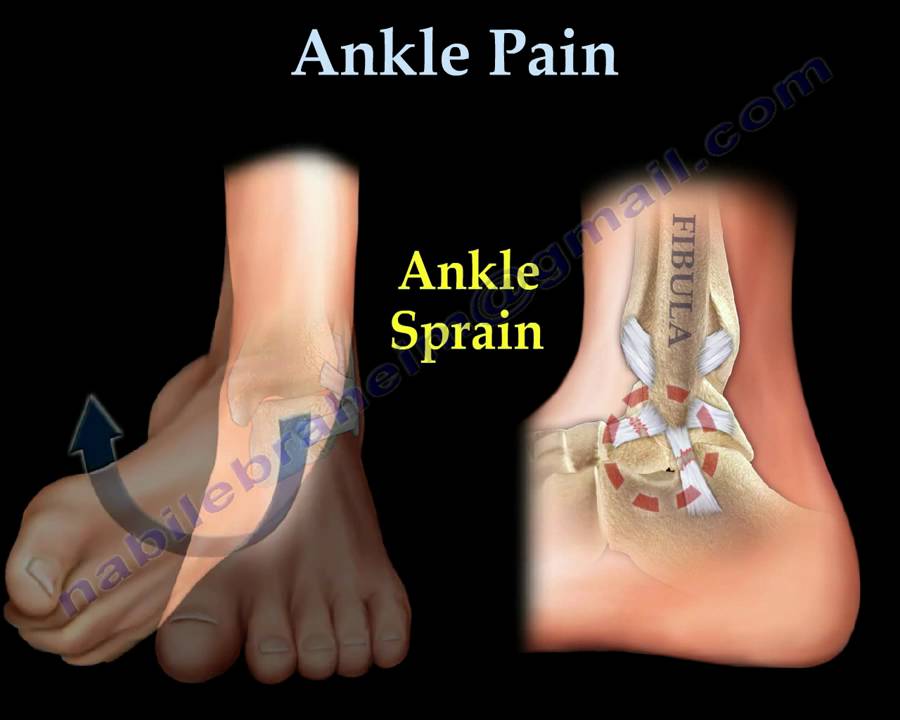
Ankle sprain is a common injury that occurs with sports activities and the lateral ligaments are the most commonly injured ligaments in the ankle.
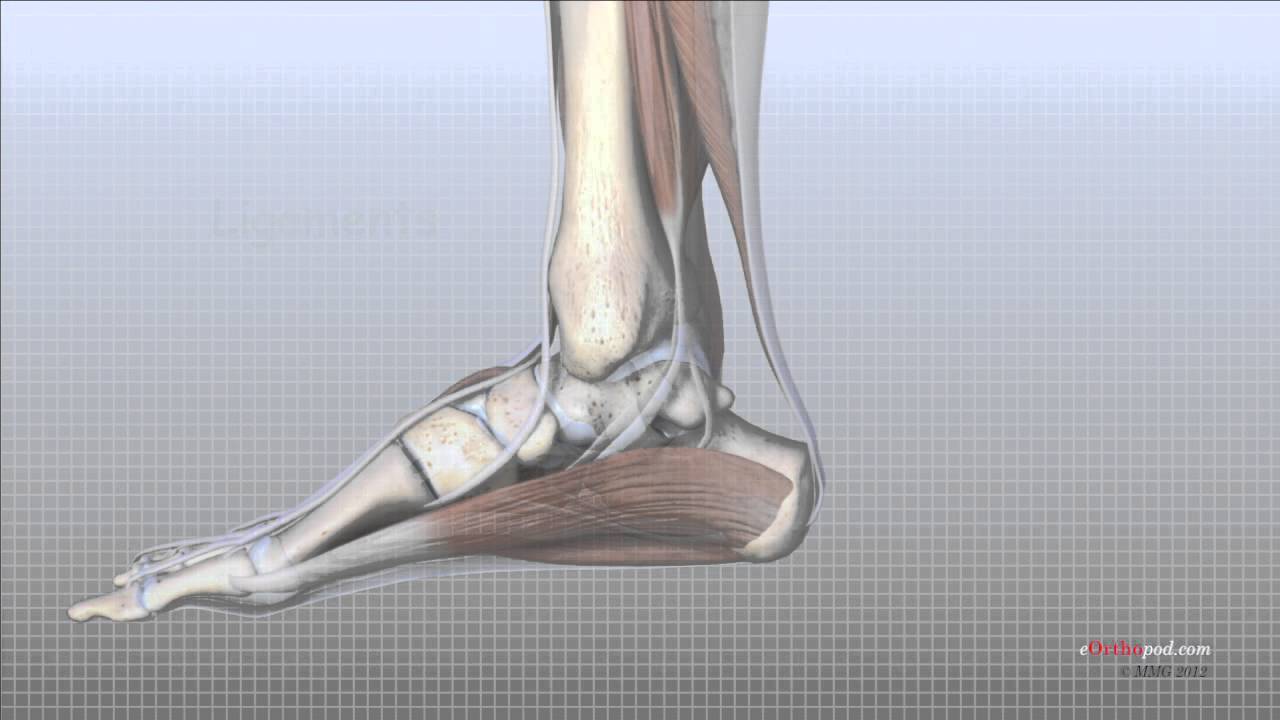
Three ligaments on the ankle joint on the lateral side:
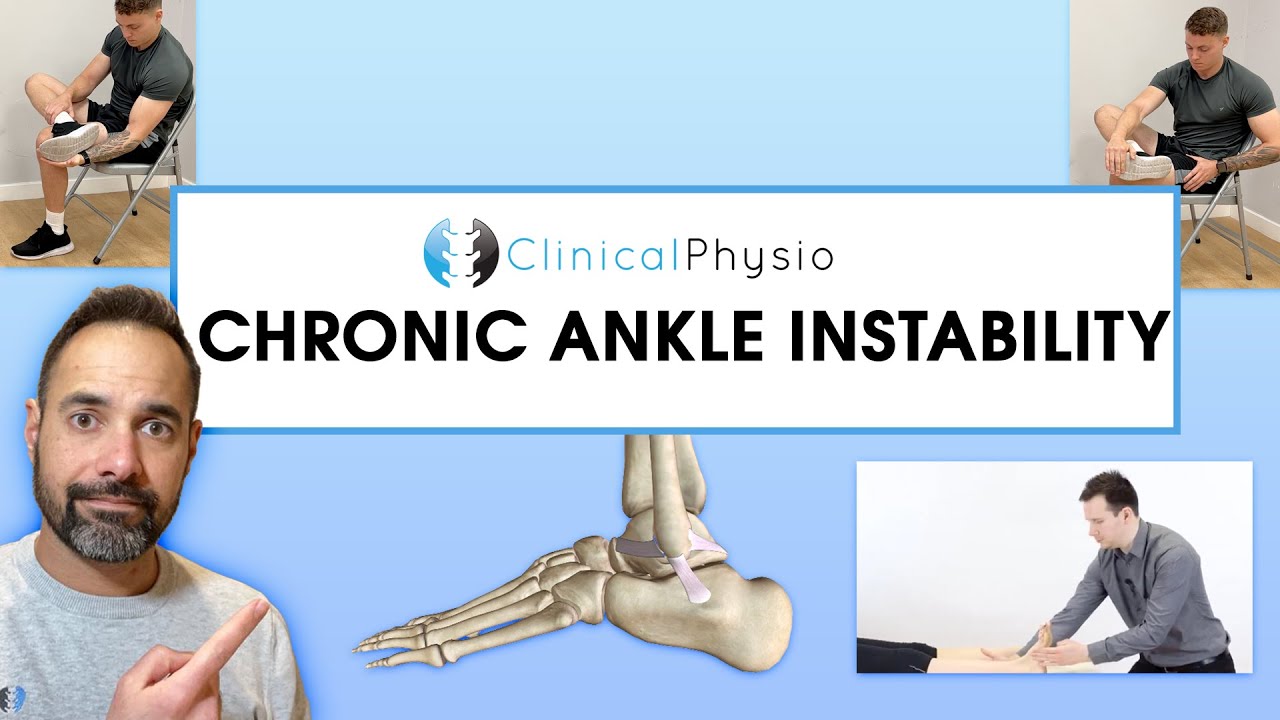
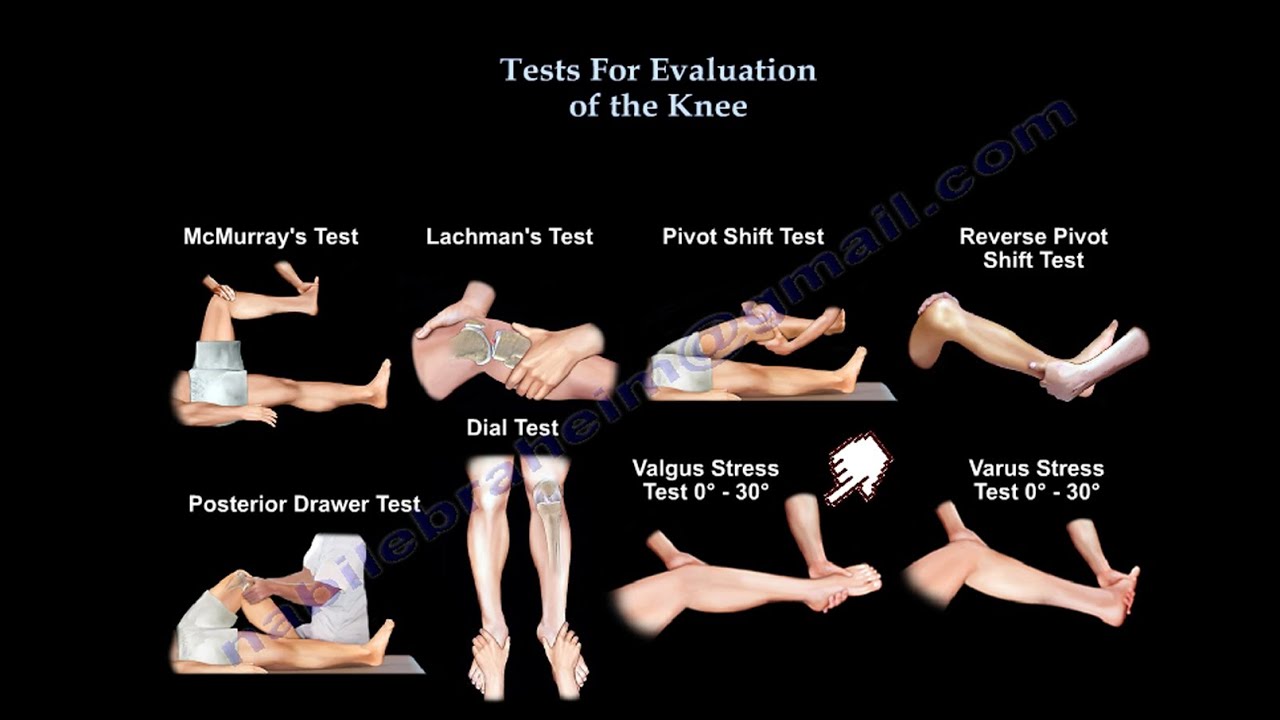
1- Anterior talofibular ligament: is the weakest ligament of all three of them, the integrity of this ligament is tested by preforming the anterior drawer test.
2- The posterior talofibular ligament: is the strongest of the three ligaments.
3- Calcaneofibular ligament: injury to this ligament usually occurs after injury to the anterior talofibular ligament, the integrity of this ligament is tested by preforming the talar tilt test.
If the patient cannot bear weight after what is suspected ankle sprain, then you need to get an x-ray to check if the patient has a fracture.
Acute ankle sprains are usually treated by:
• Immobilization
• Ice
• Physical therapy
• Surgery (rare)
Sometimes these ligaments do not heal and become incompetent.
Incompetence of these ligaments may create chronic lateral ankle instability.
You may want to examine the hindfoot for varus malalignment.
Occult varus may lead to treatment failure.
Check for peroneal muscles and tendon weakness which is a frequent cause of lateral ankle instability.
If you find that there is hindfoot varus, you may need to do the coleman block test to differentiate between fixed and flexible hindfoot varus.
The treatment will be different.
Treatment:
The majority of ankle sprains will heal with time and are treated with:
• Rest
• Physical therapy
Peroneal muscle strengthening with proprioception and range of motion of the ankle.
In some cases the patient may not get better and may have:
• Mechanical instability or functional instability
• Patient may not improve with conservative treatment
Patient may require surgery
What type of surgery may be necessary?
• Anatomic repair (Brostrom procedure).
Direst repair of the attenuated ligament.
OR
• Anatomis repair (Modified Brostrom procedure).
• Direct ligament repair with augmentation using the inferior extensor retinaculum.
• A graft can be used if the Brostrom technique fails.
For chronic lateral ankle instability, we also need to look for other conditions such as peroneal tendon pathology, fractures, joint lesions, or arthritis.
There are a lot of differential diagnosis for this area that can create ankle instability.
These are some of the other causes that can create the same symptoms of pain and instability of the lateral ankle.
When pain is located posterior to the fibula, you can blame this on peroneal tendon pathology.
The peroneal tendons are subjected to excessive repetitive forces causing pain, swelling, and instability of the lateral ankle.
Treated by injection or possibly surgery (synovectomy).
The superior peroneal retinaculum is usually holding two peroneal tendons behind the fibula.
The inferior peroneal retinaculum is not as important as the superior peroneal retinaculum.
Superior peroneal retinaculum tear:
Tear may lead to subluxation of the peroneal tendons.
Do physical therapy or reconstruction of the superior peroneal retinaculum.
Peroneal tendon subluxation occurs with dorsiflexion and inversion; however it is tested with dorsiflexion and eversion against resistance.
Peroneus longus or brevis tendon rupture or tear:
Tear of the peroneus longus tendon may occur at the peroneal tubercle with the Os Peroneum migrationg proximally.
Tears of the peroneus brevis may occur with peroneal tendon subluxation.
In these cases you will do repair or tenodesis of the torn tendon.
Lesions inside the joint:
Osteochondral lesion of the talus (OCD): they are 2 types:
• Posteromedial
• Anterolateral
Treatment:
• NSAIDS
• Physical therapy
• Surgical treatment: ankle arthroscopy.
If the OCD lesion is less than 1 cm then you will do excision, curettage, or drilling of the lesion.
Anterolateral Impingement: painful limitation of full range of ankle motion due to asseous (bony) or soft tissue pathology.
Treatment:
• physical Therapy
• injection
• arthroscopic debridement of the impingment
ankle synovitis: you do synovectomy.
Ankle arthritis: ankle arthritis of the ankle joint usually results from prior injury or inflammation to the ankle joint.
It can be diagnosed by an exam or by an x-ray.
We start with conservative treatment, brace, injection, if nothing works do arthrodesis or total ankle surgery if conservative treatment fails.
If there is loose bodies inside the ankle, remove it.
There may be some fractures that cause instability of the ankle, like lateral process fracture of the talus, anterior process fracture of the calcaneus.
Jones fracture or Pseudo- Jones fracture.
The treatment is specific for the type of fracture.
This needs to be diagnosed and treated accordingly.
Osteal coalition: may cause frequent ankle instability.

Доступные форматы для скачивания:
Скачать видео mp4
-
Информация по загрузке: