Ralph Vaughan Williams Concerto in A Minor for Oboe and Strings
Автор: Chamber Orchestra of the Springs
Загружено: 2021-11-16
Просмотров: 3156
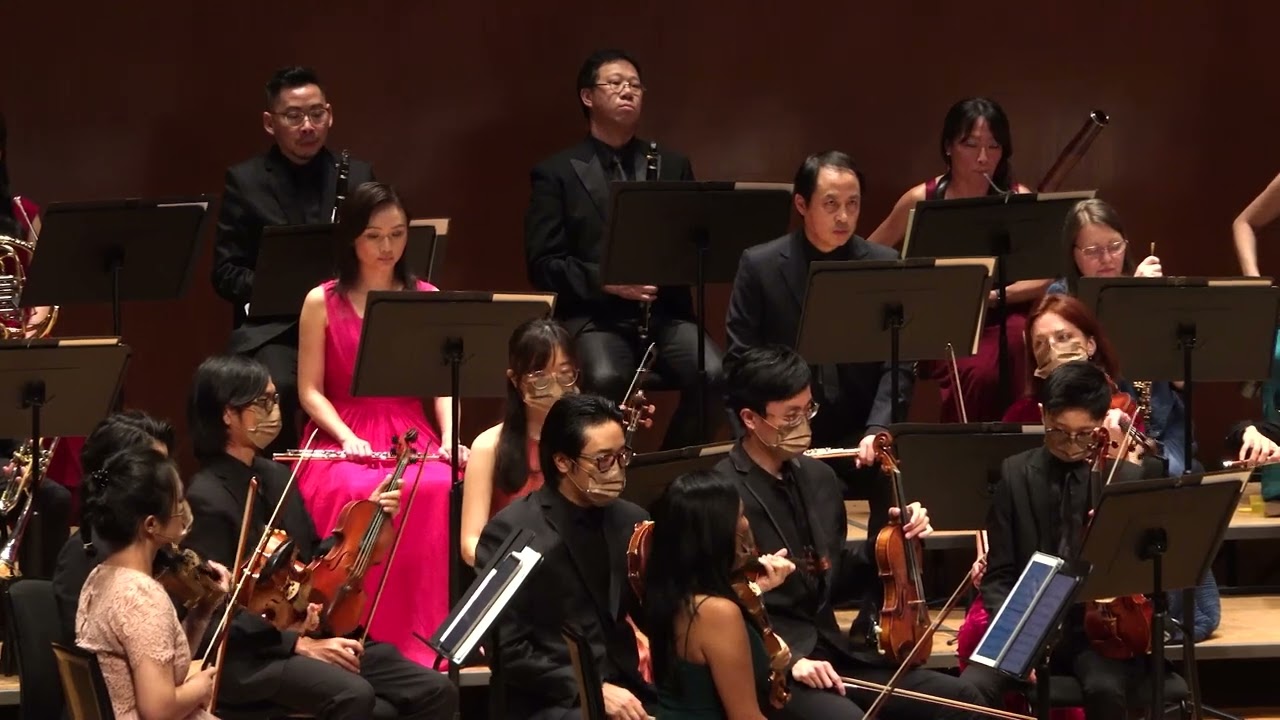
Ralph Vaughan Williams Concerto in A Minor for Oboe and Strings
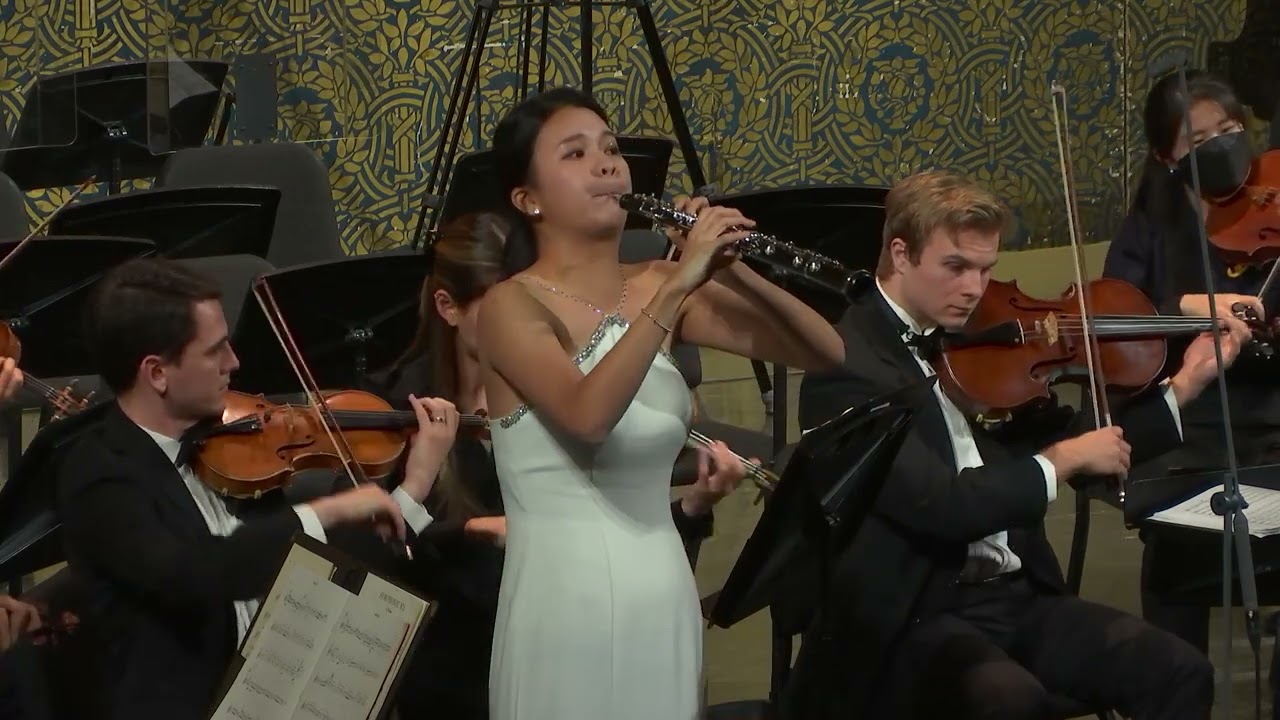
Noah Kay, oboe
November 7, 2021
First Christian Church, Colorado Springs
Chamber Orchestra of the Springs
Thomas Wilson, Music Director
After a decline in virtuosic oboe playing/compositions in the late 19th century, the British oboist Leon Goossens (1897-1988) nearly single-handedly put the oboe back on the map as a solo instrument. Through his performances in the Queen’s Hall Orchestra and later the London Philharmonic Orchestra, he captured the attention of contemporary composers, including Ralph Vaughan Williams. Vaughan Williams himself was instrumental in the 20th-century revival of British music. Written for Goossens, this capricious yet lyrical Concerto for Oboe and Strings is the composer’s most successful example of the genre.
Vaughan Williams began work on the concerto shortly after completing his Fifth Symphony in 1943, which shares musical material with the concerto. It's an unusual concerto in that there is no separate slow movement, although there are slower sections within the outer movements that offer balance. The first movement is quite pastoral, evoking the idyllic British countryside in a time where artists and composers purposefully tried to eke out loyalty to England and its rural culture. In fact, Goossens referred to this concerto as an “English Pastoral.” Vaughan Williams uses the lush sound of the instrument to conjure the spirit of the countryside.
The shortest of the three movements, the Minuet and Musette begins with the light and playful minuet. The middle section evokes the musette’s characteristic drone, which is played by the oboe while the strings take the melody. This middle movement forms a simple dancing interlude between the two outer movements.
The final movement is the weightiest, which is a bit unusual for a concerto where the opening movement is often the most powerful. Symphonies, however, tend to save the power for the final movement. The connection between the two genres goes back to the shared material from Vaughan Williams Fifth Symphony and this concerto. He drew upon music discarded from the Scherzo of the Fifth Symphony and used it in the last movement (Scherzo) of the oboe concerto, which is why this third movement has the strength of a symphonic final movement. It is also the most virtuosic of the three movements, even if that virtuosity is somewhat brief. The orchestra manages to disrupt the oboist’s flights of fancy and the music once again turns to the wistful and melancholic music of the opening.
Vaughan Williams wrote his Oboe Concerto during the final years of World War II and the premiere of the work had to be postponed due to the threat of rocket raids on London. Vaughan Williams finally premiered the work with Goossens as the soloist in a concert by the Liverpool Philharmonic on September 30, 1944.
Audio and Video Engineer Michael Lascuola
Program Notes Jennifer Carpenter

Доступные форматы для скачивания:
Скачать видео mp4
-
Информация по загрузке: