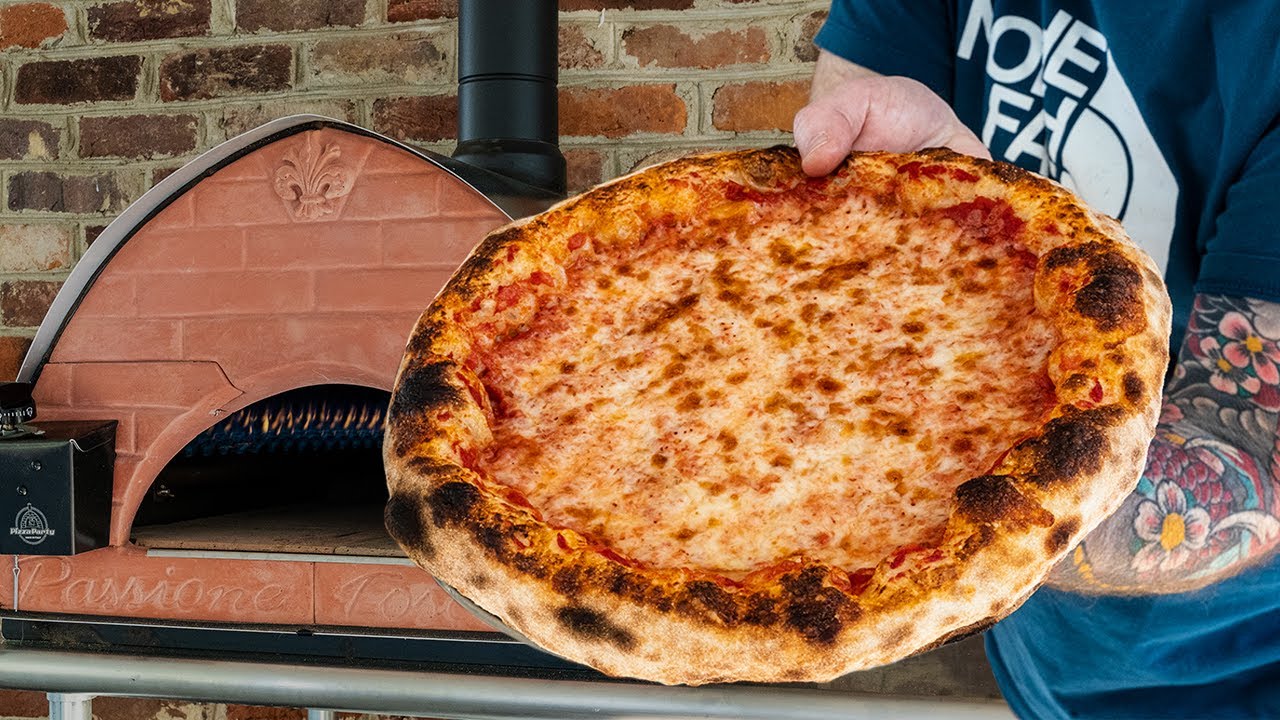
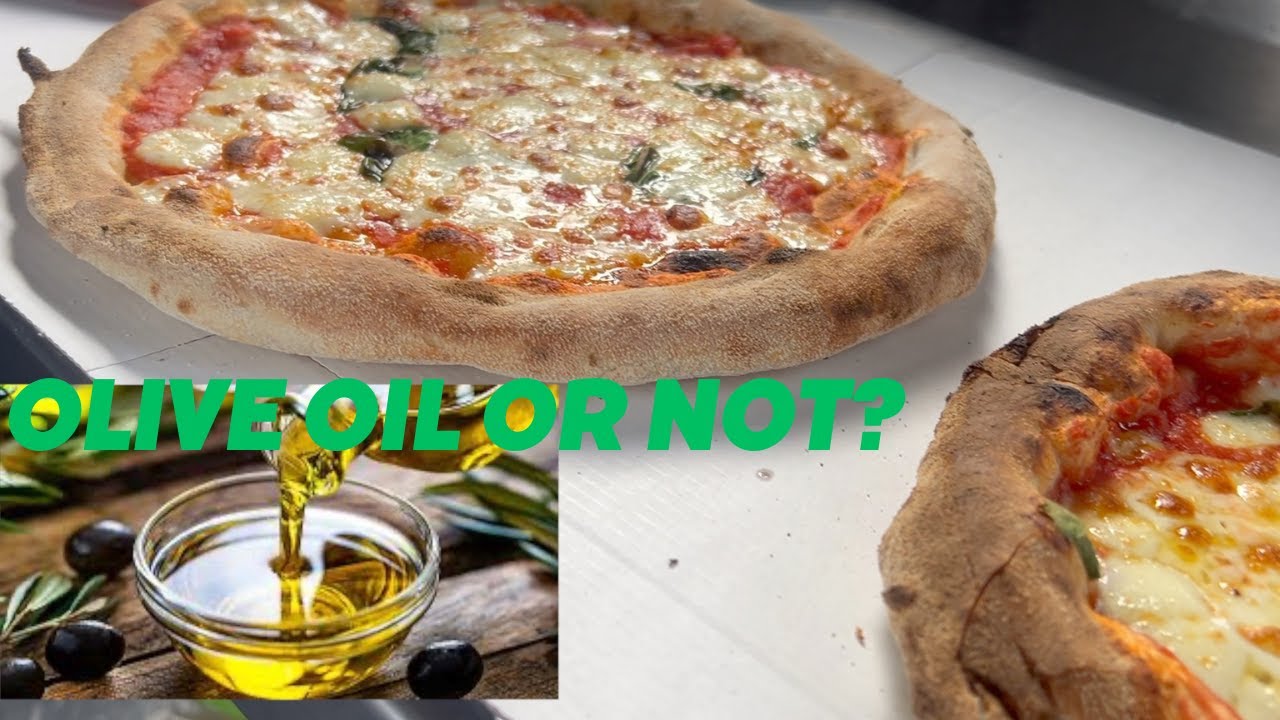
Pizza Dough VS Pizza Dough with E.V.O Oil, WHAT IS THE Different ??
Автор: Massimo Nocerino
Загружено: 2024-10-13
Просмотров: 11986
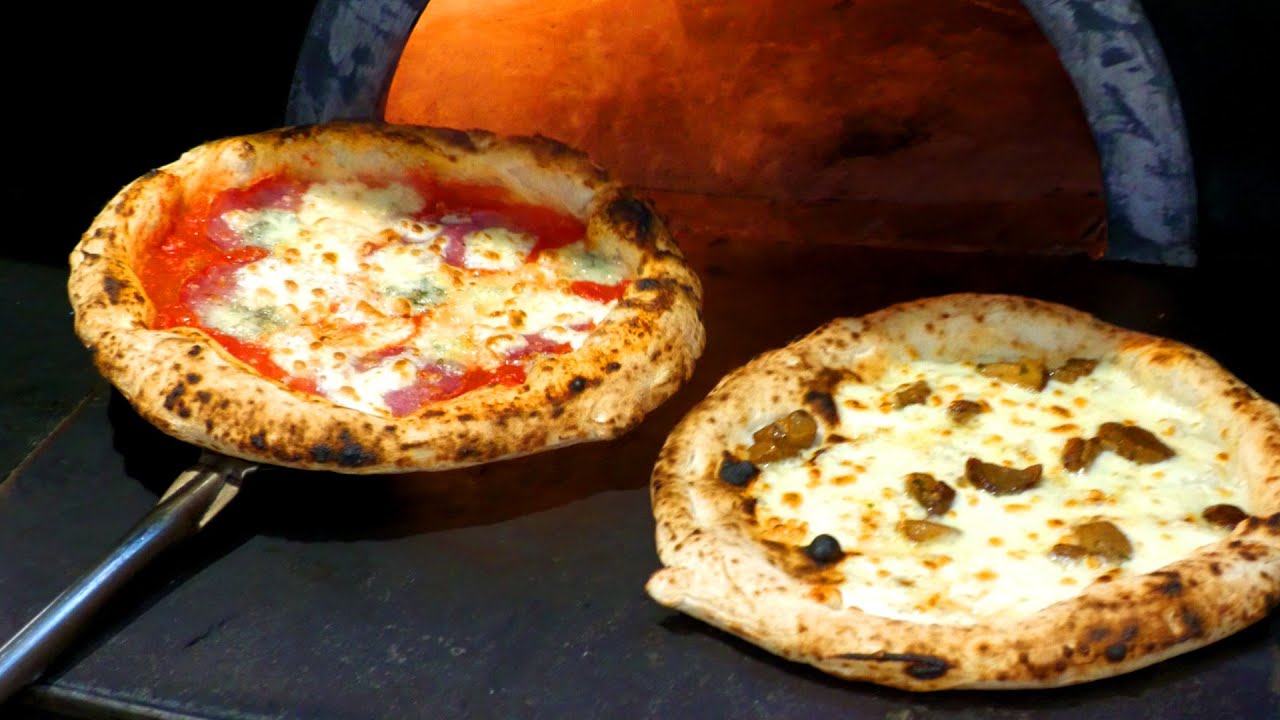
One of the great dilemmas of Italian cuisine is the one regarding the perfect pizza dough: everyone has their own beliefs and convictions but in truth there is no hard and fast rule.
One of the issues discussed is certainly the presence of oil in pizza: many believe it is a fundamental ingredient, others see it as superfluous.
Should it be used or not? And if so, what kind of oil and how much should you use?
In this article we will tell you our thoughts on this topic and give you advice on how to move to create a pizza dough that is ideal for your tastes and needs: in fact we are convinced that the key to success is knowing the ingredients and products used... with the right information you will be the one to make the best decision for your palate.
Obviously oil is one of the symbolic products of Mediterranean cuisine, in particular we are talking about olive oil which is a good fat, widely used in baked goods: light, healthy and tasty it is always a valid vegetable alternative to butter and even more so to lard.
As for Italian pizza, it is usually recommended to use extra virgin olive oil or olive oil (but also other vegetable oils): butter is certainly not used, while in some very special types of focaccia it is allowed to opt for a little lard (but it is certainly not a common move). It is important to say that in the STG specification of Neapolitan pizza, extra virgin olive oil is not mentioned as regards the dough, while it is recommended to add a drizzle of raw extra virgin olive oil on cooked pizza.
So what to do? Let's find out together why, unlike bread, oil is often used in pizza dough and if it is really so essential.
Why do we put oil in pizza?
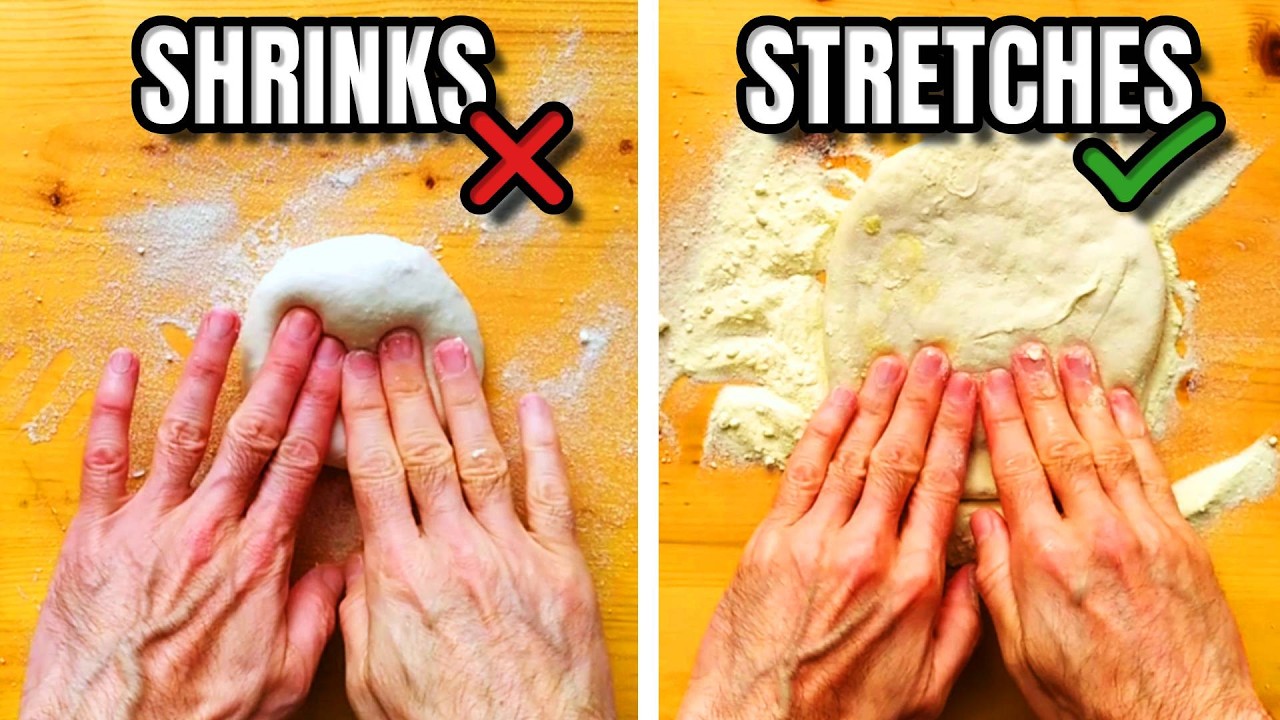
Well, a small addition of fat will certainly make your creation more delicious! In addition to improving the aromatic characteristics, it also helps the structure of the dough and also acts as a natural preservative. This is because oils have an emulsifying effect on starch and proteins, helping the various components to bind together in a more homogeneous and harmonious way, and you can immediately feel it: with a drop of oil, the dough is much easier to work with and stays more hydrated during leavening.
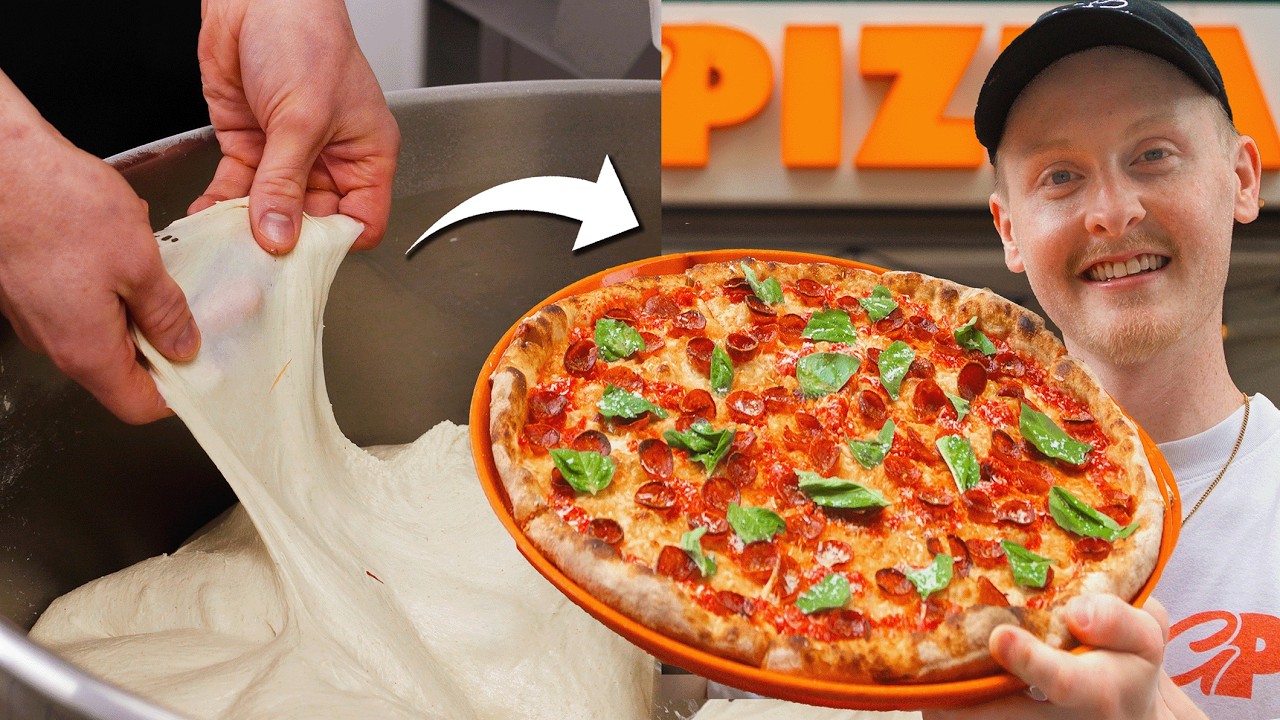
If added in the right quantities, it also helps leavening: lipids bind to the various gluten meshes, seal the gases inside the dough, creating an external barrier, increasing its extensibility and consequently the final volume...
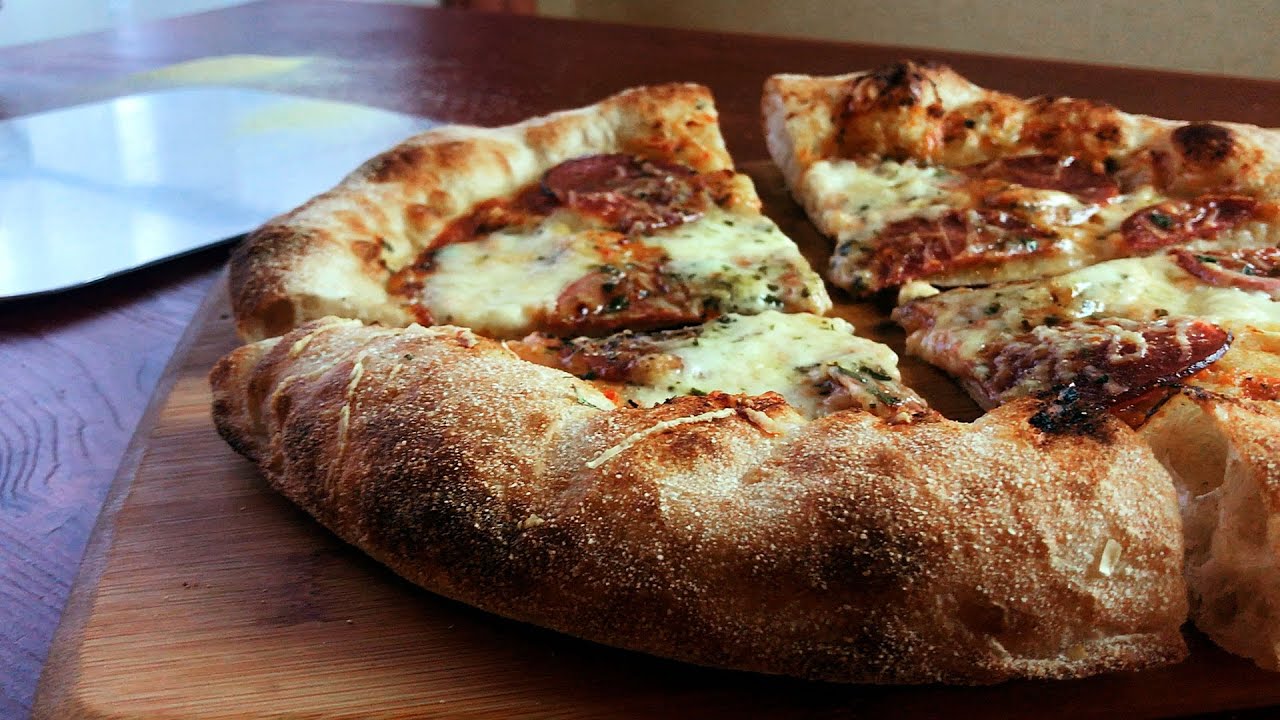
In practice, the gas produced by the leavening reactions will remain inside the dough, which will grow and grow without drying out, because even water will find it difficult to escape from this treasure chest! Obviously, the presence of lipids helps to make a nice crust on the pizza and, perhaps you don't know this, to keep it warm for longer after cooking!
Which oil to use in pizza dough
In real Italian pizza we recommend using a good olive oil or even better an extra virgin olive oil, which guarantees a strong and rustic texture and aroma. For those who want to be lighter with the flavor, it is suggested to use a unique seed oil such as sunflower oil, which is not too noticeable in the taste but gives a lot of crunchiness. Whatever your decision, use a good quality oil and you will have an aromatic, healthy and light pizza.
When and how much oil to use
The amount of oil to add to the dough is perhaps the most important element in your recipe as regards the addition of fats, because it must be established with a logical and specific reasoning for your creation. Just like for water, also for oil the percentage to use varies depending on the type of flour you choose as well as the result you want to obtain. Let's say that you can consider putting from 1% of oil up to 3% on the weight of the flour without exceeding 2% in wholemeal doughs. Obviously if you use a lot of oil to prepare the dough we recommend avoiding or limiting fats in the seasonings and after cooking.
Be careful, because an excessive amount of oil: if you use a relatively strong flour it should be added to the dough just before closing, while if you prepare the pizza using a weak flour it is better to add it together with the water because it will help to create the gluten mesh immediately.
Доступные форматы для скачивания:
Скачать видео mp4
-
Информация по загрузке: