Coagulation markers (fibrinogen and D-dimer) and optic nerve microthrombosis
Автор: Glaucoma, Vision & Longevity: Supplements Science
Загружено: 2026-01-17
Просмотров: 3
This audio article is from VisualFieldTest.com (https://visualfieldtest.com) .
Read the full article here: https://visualfieldtest.com/en/coagul...
Test your visual field online: https://visualfieldtest.com
Support the show so new episodes keep coming: https://www.buzzsprout.com/2563091/su...
Excerpt:
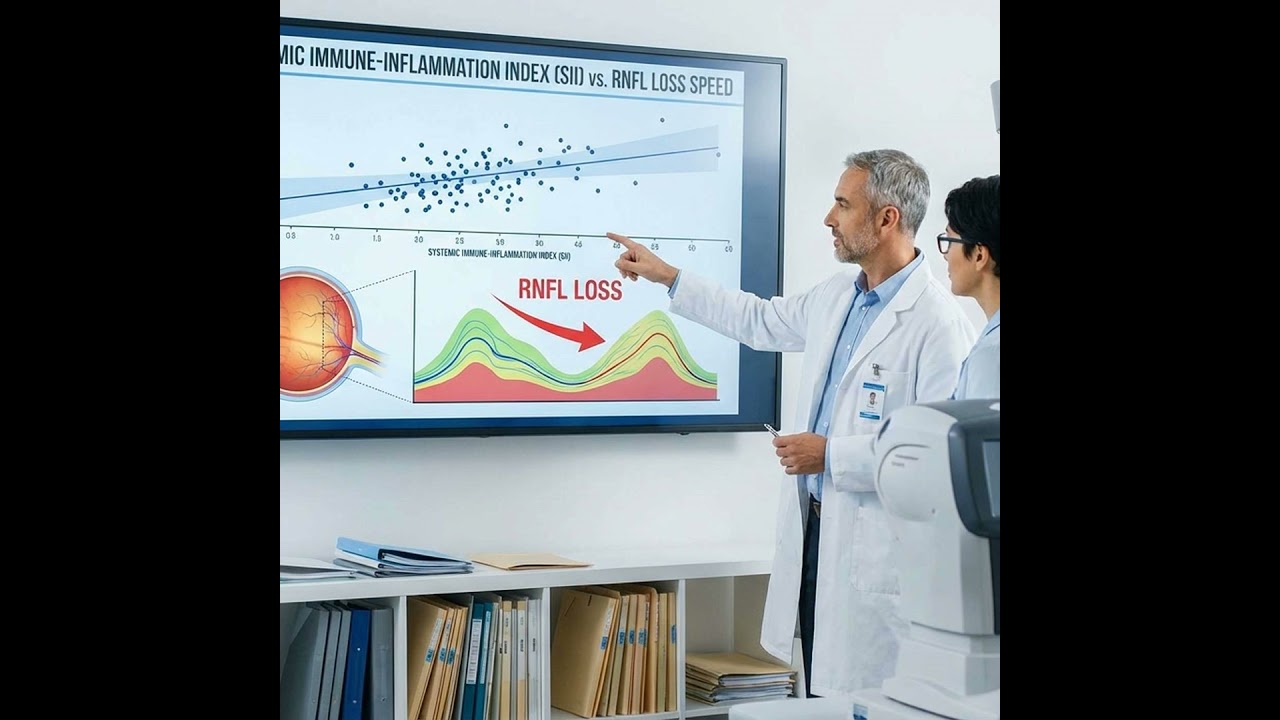
Coagulation markers (fibrinogen and D-dimer) and optic nerve microthrombosisThe optic nerve is the cable connecting your eye to your brain. If it does not get enough blood, sudden vision loss can occur – this is called optic nerve ischemia (often seen in NAION, non-arteritic anterior ischemic optic neuropathy ()). Many common risk factors (high blood pressure, diabetes, high cholesterol, smoking) reduce eye blood flow (). Doctors are now also checking if a tendency for extra blood clotting – a hypercoagulable state (sometimes called thrombophilia) – might contribute to tiny clots (microthrombosis) around the optic nerve. In simple terms, if your blood clots too easily, it might block small blood vessels feeding your optic nerve, leading to damage. For example, several case reports note that abnormal clotting factors were found in patients with acute optic nerve events (). As a result, researchers have suggested measuring clotting markers like fibrinogen and D-dimer to see if they predict optic nerve problems. This article explains these tests in everyday language, how they relate to optic nerve health, and how you or your doctor might use them safely.What is hypercoagulability (thrombophilia)?Blood clotting is a normal repair process, but when “too much” clotting factor is present, it is called thrombophilia or a hypercoagulable state (). In a hypercoagulable state, your blood has extra clotting factors or fewer clot-dissolving factors, so it can clot more easily. People with thrombophilia often never have problems until something triggers a clot. For example, inherited conditions like Factor V Leiden or high homocysteine can be present from birth, but clots may only form if another risk (like smoking or hormonal birth control) is present (). Acquired factors (surgery, cancer, pregnancy, severe infections) can also temporarily tilt the balance toward clotting ().In the eye, clotting can cause blockages in retinal or optic nerve blood vessels. Conditions like central retinal vein occlusion (CRVO) or NAION are sometimes linked to clotting problems (). An eye care review notes that when we see unexplained optic nerve or retinal occlusions (sudden vision loss), we should consider a blood clotting tendency (). In fact, one clinical case report concluded: “In young patients without other health issues, unexplained optic nerve ischemia should prompt careful testing for clotting disorders” (). In plain words, if you are young and suddenly lose vision due to optic nerve swelling, your doctor should check if your blood is clotting too much.Because clot markers can change with illnesses or treatment, doctors suggest controlling for things like recent infections, trauma or surgery when interpreting results () (). For example, after a bone fracture or surgery, studies show that fibrinogen and D-dimer can rise dramatically () (). Similarly, being on blood thinners (anticoagulants) will lower clotting markers. In practice, any lab test for clot risk is interpreted in context. Blood tests for clotting: fibrinogen and D-dimerTo check clot risk, doctors use specific blood tests:Fibrinogen test – Fibrinogen is a protein made by the liver that helps blood clots form () (). When you bleed, fibrinogen is converted to fibrin strands tha
Support the show (https://www.buzzsprout.com/2563091/su...)

Доступные форматы для скачивания:
Скачать видео mp4
-
Информация по загрузке: