Let's Go for a Ride Around the Savannah National Wildlife Refuge Looking for Wildlife Stories.
Автор: Douglas Roderick Lanier
Загружено: 2026-01-22
Просмотров: 1
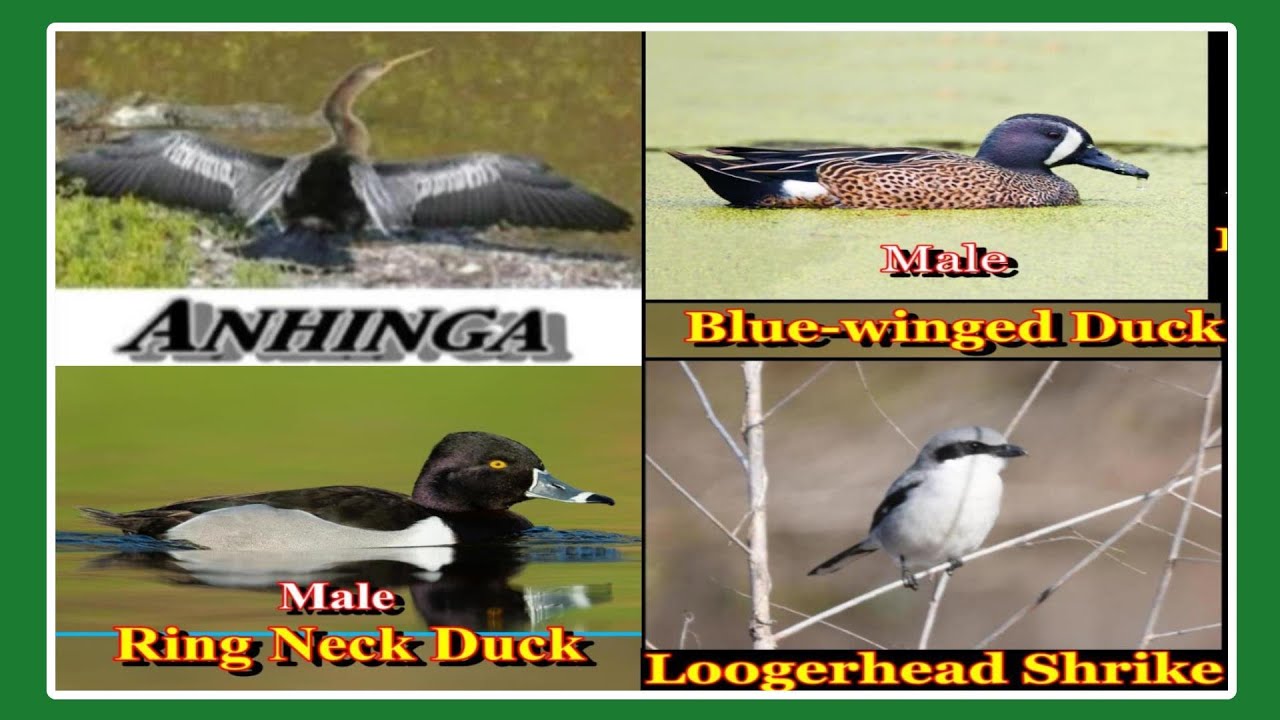
Loggerhead Shrikes inhabit open country with short vegetation and well-spaced shrubs or low trees, particularly those with spines or thorns.
Loggerhead Shrikes are often seen along mowed roadsides with access to fence lines and utility poles
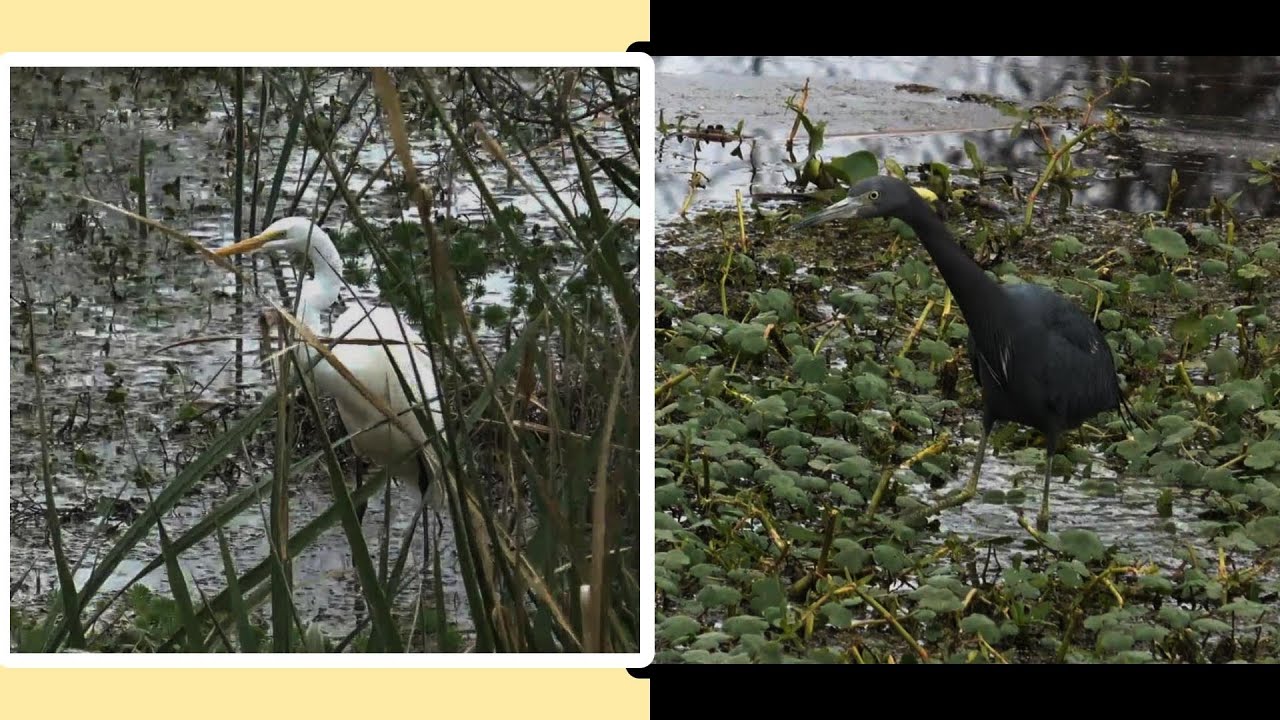
Snowy Egrets in a marsh often engage in preening and relaxing as part of their daily maintenance, displaying their pristine white feathers.
Showcasing their confident yet elegant presence in shallow waters.
Blue-winged Ducks
Migrants use marshes, vegetated wetlands around lakes, and rice fields, and typically stop in freshwater or brackish areas rather than saltwater. On their U.S. wintering grounds, they live in fresh or brackish vegetated wetlands with lots of decaying organic matter
Ring-necked Ducks breed in freshwater. They’re diving ducks, they’re frequently seen in quite shallow waters (four feet deep or less), where patches of open water are fringed with aquatic or emergent vegetation such as sedges, lilies, and shrubs.
Ring-necked Ducks eat submerged plants and aquatic invertebrates. They also eat mollusks (swallowing them whole and crushing the shells in their gizzard) as well as snails, caddisflies, dragonfly nymphs, midges, earthworms, and leeches
Ring-necked ducks do not form traditional "colonies" in South Carolina, as they are migratory winter residents that breed in the northern US and Canada. However, they gather in large, dense flocks on South Carolina's wintering grounds
When Anhinga emerge from the water in South Carolina, they perch, often on branches, and spread their wings wide to dry their waterlogged feathers and absorb solar heat.
Unlike ducks, Anhinga feathers aren’t waterproof’ they get soaked, making them heavy and dense for diving
Доступные форматы для скачивания:
Скачать видео mp4
-
Информация по загрузке: