Total Hip Replacement: Procedure, Benefits, and Recovery Explained
Автор: AOSM Media
Загружено: 2022-10-04
Просмотров: 1151
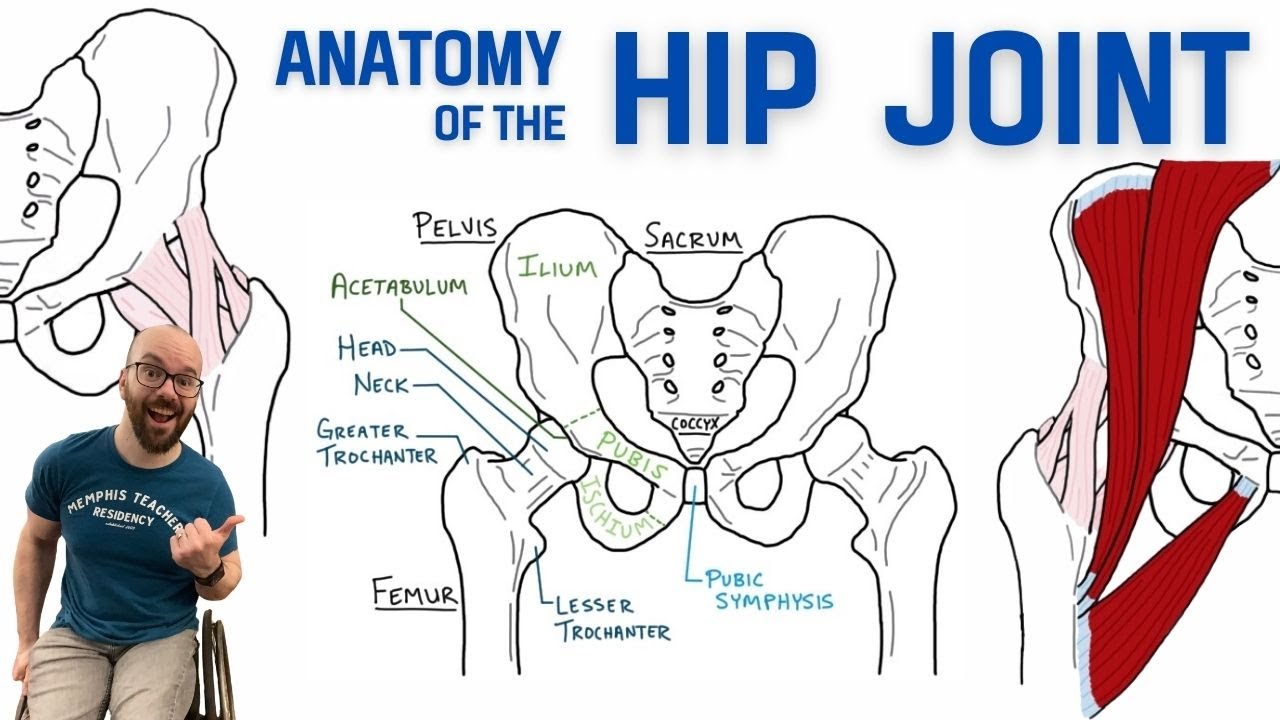
Total Hip Replacement, also known as Total Hip Arthroplasty, is a surgical procedure in which the diseased parts of the hip joint are removed and replaced with artificial components. This procedure is typically performed to relieve pain and improve mobility in individuals who have severe arthritis or have sustained significant hip damage.
Here's a breakdown of the procedure:
Damaged Bone and Cartilage Removal: The surgeon removes the damaged bone and cartilage, leaving the healthy bone intact.
Replacement of the Femoral Head: The femoral head (the rounded top part of the thigh bone) is replaced with a metal or ceramic ball. This ball is attached to a metal stem that is inserted into the thigh bone.
Resurfacing the Hip Socket: The damaged hip socket (acetabulum) is resurfaced and lined with a metal shell. Sometimes, a plastic, ceramic, or metal spacer is placed between the new ball and the socket to allow for a smooth gliding surface.
Implant Materials: The artificial components used in a hip replacement are designed to enable the joint to move much like a natural joint. The materials commonly used include metal, ceramic, and very hard plastic.
The primary goals of Total Hip Replacement are to alleviate pain, improve joint function, and enhance the overall quality of life for the patient. The procedure is common among older adults who have severe arthritis, but it may also be performed on younger individuals due to injury or other joint problems.
Post-surgery, rehabilitation is crucial. It typically includes physical therapy to help the patient regain strength and mobility. Most people experience a significant reduction in pain and improvement in their ability to perform daily activities after recovering from the surgery.

Доступные форматы для скачивания:
Скачать видео mp4
-
Информация по загрузке: