Discovering the Secrets of Song Dynasty Ru Kiln Porcelain😲Unveiling Beauty😄Authenticating Ru Kiln😊
Автор: QingHua Yuan
Загружено: 2023-02-27
Просмотров: 1845
Buy Mongolian Morin Khuur Album:
https://hong-shan.kit.com/products/mo...
Email: yuanqinghua1320@gmail.com
Amazon eBook Author: https://amazon.com/author/henryliaw
"Discovering the Secrets of Song Dynasty Ru Kiln Porcelain"
"Unveiling the Beauty of Ru Kiln Porcelain: A Journey through China's Ancient Art"
"Expert Tips for Authenticating Ru Kiln Porcelain and Identifying Fakes" in chinese
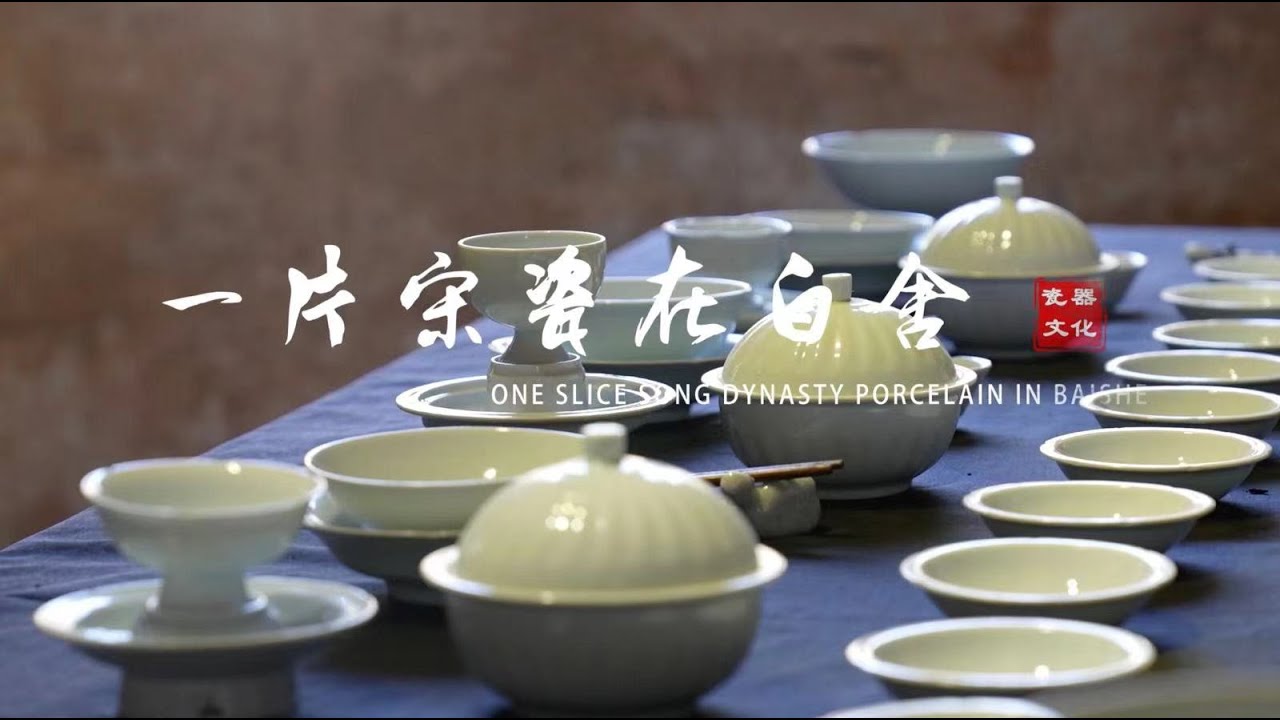
Ru Kiln is an official kiln established during the reign of Huizong in the late Northern Song Dynasty. It is now Qingliang Temple in Baofeng County, Henan Province. It belonged to Ruzhou in Song Dynasty, hence the name.
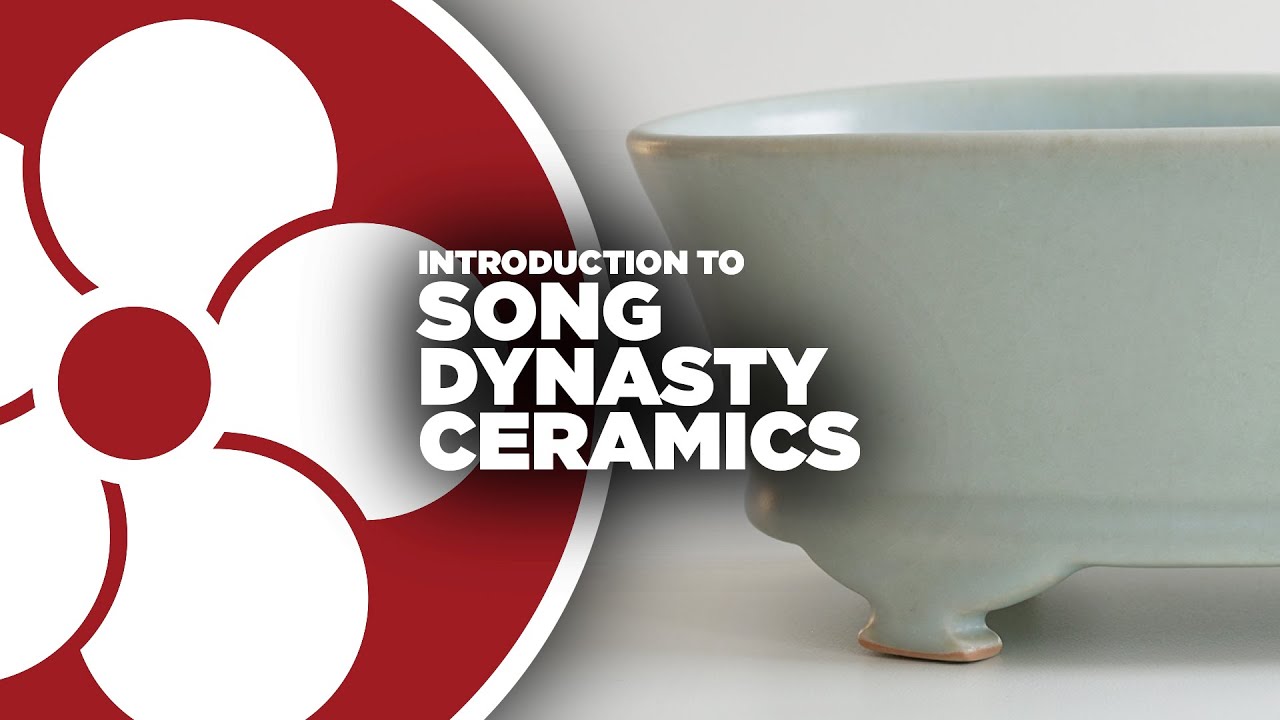
Ru kiln is mainly made of celadon, with glaze colors such as pink green, bean green, egg green, shrimp green, etc. Ru kiln porcelain has a thin body and thick glaze layer, which has a jade-like texture, and the glaze surface has very fine cracks. Ru kiln porcelain is fired with nails, leaving tiny traces of nails on the bottom of the porcelain. Most of the shapes of the utensils imitate the styles of ancient bronze wares, mainly washing, furnace, statue and plate.
The main points of traditional Ru kiln identification are: incense ash body, sky blue glaze, full glaze, nail supporting firing.
Porcelain identification elements: clay body, glaze color, glaze material, aging of glaze, vessel type, craft, ornamentation, ring foot, inscription, etc.
First identify the essence of the porcelain material; clay body, glaze color, glaze material, glaze aging.
Clay Body:
Ru kiln is generally considered to be incent buring gray, but the clay body in my collection is different from the Ru kiln clay body in the Forbidden City. Its clay is white and fine in texture. According to Mr. Ito Ikutaro, Osaka Municipal Museum of Oriental Ceramics, Japan in the article "Genealogy of Official Kilns in the Northern Song Dynasty": "The color of Ru kiln's clay body is commonly known as incent burning gray, but if you cut the porcelain piece, you can find that the color of the new section is actually light gray. Or white, basically no dark gray. This whitish color should be the true color of Ru kiln.” I accidentally broke the edge of a jade pot spring bottle I collected, exposing a light white clay, and thel texture is fine, confirming Ito Ikutaro Sir, the gray and white color is the true color of Ru kiln wares.
Glaze Color:
Fully glazed, and the glaze color is gray and blue, just like the color of Taoist robes worn by Taoists. This quiet and elegant, soft and crystal clear, deep glaze color is the favorite color of Song Huizong who advocates Taoism. The two pictures above are Ru kilns in two palace museums. The glaze colors are slightly different, but they belong to the same color system.
Glaze:
The glaze is made of natural mineral raw materials, which are characterized by bright colors, just like the ancient Dunhuang murals and foreign ancient oil paintings, the glaze color is gorgeous and deep, soft and not dazzling.
Glaze Aging:
The upper right of Figure 1 is a microscopic view of the four Ru kilns in Xiunei of Qingliang Temple in my collection, which is very consistent with the microscopic images of the four Ru kilns in the National Palace Museum in Taipei. It can be clearly seen that the glaze is aging microscopically, and the glaze is covered with different spots. Regular circular, semi-circular, and flaky corroded plaques and hemp pits. The corroded circular plaques in the two pictures below are concave, just like the concave pits after burning candles, which are unbroken or broken bubbles The resulting lower concave garden pit. There are also corrosion lines on the opening of the cicada pattern. These are the aging marks on the glaze surface. The glaze surface obviously has a sense of aging, just like the wrinkles and age spots on the eyelids of the elderly. It proves to be old things, but the hand touches it It is as smooth as touching the skin of a child, which eliminates the possibility of acid-base aging. The picture on the lower right is a microscopic picture of the Ru kiln in the National Palace Museum in Taipei. It can be seen that their microscopic aging performance is very similar.
Song Dynasty (960-1279)
Aesthetics and Philosophy: Song dynasty porcelain is renowned for its simplicity, subtle elegance, and reflection of Neo-Confucianism ideals. The emphasis was on harmony, natural beauty, and understated grace.
Famous Kilns and Types: This era saw the development of famous kilns like Ge, Guan, Jun, Ding, and Ru, each known for distinctive glazes and techniques. Ru ware, for example, is famous for its sky-blue glaze, while Ge ware often has a distinctive crackle glaze.
Innovations: The Song dynasty marked significant advancements in kiln technology and glazing techniques, setting high standards for porcelain quality and beauty.

Доступные форматы для скачивания:
Скачать видео mp4
-
Информация по загрузке: