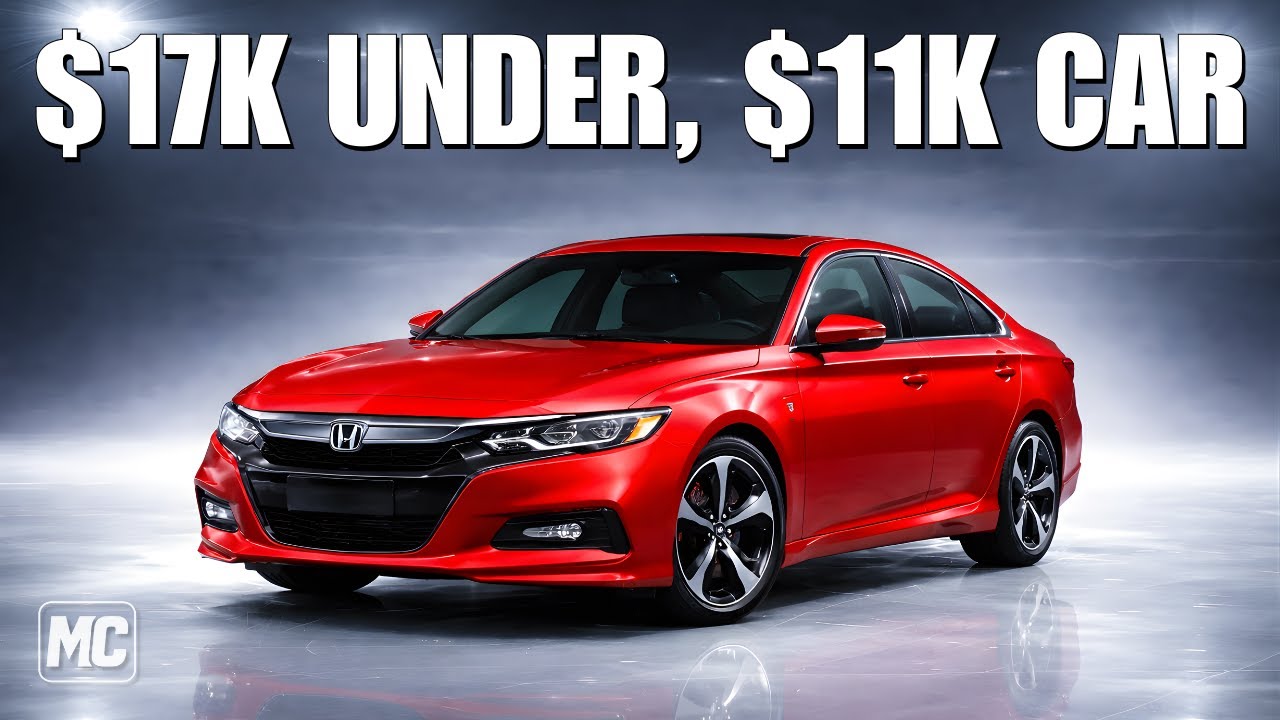
Rolling $17K of Debt Into an $11K Car
Автор: Michael Chipman
Загружено: 2026-01-25
Просмотров: 9554
Bad car loans, negative equity, and debt stacking are some of the most common personal finance mistakes people make, and this video breaks down exactly how they happen in real time. From rolling $17K of negative equity into an $11K car, to co-signers bringing more debt than the vehicle is worth, this is a clear look at bad financial advice, auto loan math that doesn’t work, and how debt quietly snowballs.
This personal finance breakdown covers bad car loans, negative equity, co-signing mistakes, credit score manipulation, auto loan approvals, minimum credit card payments, buy now pay later debt, consolidation loans, solar panel loans, HELOC debt, and why focusing on approval instead of affordability leads to long-term financial damage. If you’re trying to understand car loan debt, automotive financing traps, credit score myths, and how people end up upside-down in loans, this video shows how it actually happens.
In this video, we walk through a real dealership conversation where a co-signer attempts to roll $17,000 of negative equity into an $11,000 Honda Accord, creating a loan that is already broken before interest or fees are added. We break down why negative equity doesn’t disappear with a new loan, how debt gets buried inside bigger numbers, and why lower interest rates and small payment differences are often used to justify much larger financial commitments.
We also look at how people misunderstand credit cards by only paying the minimum payment, why minimum payments keep balances stuck for years, and how paying credit cards in full is the difference between using credit responsibly and being controlled by it. This video explains why buy now pay later apps don’t solve cash flow problems, how using loans to pay bills creates more risk, and why worrying about credit scores while struggling to pay rent misses the real issue.
Later in the video, we break down claims of rapidly increasing a credit score from the 400s to the 800s, why fast credit score jumps often don’t reflect real financial improvement, and how higher scores can unlock larger loans without improving affordability. We also analyze a $66,000 auto loan approval, consolidation loans that didn’t actually consolidate debt, solar panel loans where tax credits were spent instead of applied to balances, and how people lose track of their true debt totals over time.
This is not financial advice. This is a real-world look at how bad car loans, auto financing mistakes, credit score myths, and debt decisions play out when numbers are ignored and approval is treated as success.
Personal finance education is about understanding how money decisions compound over time, especially when it comes to debt, budgeting, and borrowing. Many people struggle with car loans, auto financing, credit cards, and interest because they focus on monthly payments instead of total cost. Learning how negative equity works, how auto loans are structured, and how interest accumulates is critical for long-term financial stability. Credit scores matter, but they do not replace income, cash flow, or affordability. High credit scores can unlock access to larger loans, but they do not eliminate financial risk. Smart personal finance focuses on minimizing debt, avoiding high-interest loans, understanding loan terms, and making decisions based on cash flow rather than approval.
Debt management requires tracking total balances, understanding consolidation loans, and knowing the difference between good debt and bad debt. Many people use credit cards incorrectly by making only minimum payments, which leads to years of interest and slow balance reduction. Paying credit cards in full each month helps avoid interest, improve financial discipline, and maintain control over spending. Budgeting, emergency funds, and realistic financial planning are more important than credit utilization tricks or short-term score boosts. Auto loans, personal loans, buy now pay later plans, and financing apps can all create long-term problems when used to solve short-term cash shortages.
Chapters:
0:00 Rolling $17K Negative Equity Into an $11K Car
0:58 When the Car Stops Mattering and Debt Takes Over
2:01 Why New Loans Don’t Fix Old Debt
2:50 Lower Rates and “Only $2 More a Month”
3:32 When a Deal Depends on “If Everything Works Out”
4:38 Minimum Credit Card Payments Explained
5:11 Why Paying Credit Cards in Full Matters
6:01 Buy Now Pay Later and Paying Bills With Debt
6:49 Credit Scores vs Cash Flow
7:36 Fast Credit Score Jumps and Auto Loan Approval
8:16 The $66,000 Car Loan Reality
9:32 Consolidation Loans That Don’t Consolidate
9:47 Solar Panel Loans and Spent Tax Credits
10:41 Not Knowing the Real Debt Total
11:10 Why the Full Number Always Matters
#Cardebt #PersonalFinance #Money #Finance #Investing
Доступные форматы для скачивания:
Скачать видео mp4
-
Информация по загрузке: