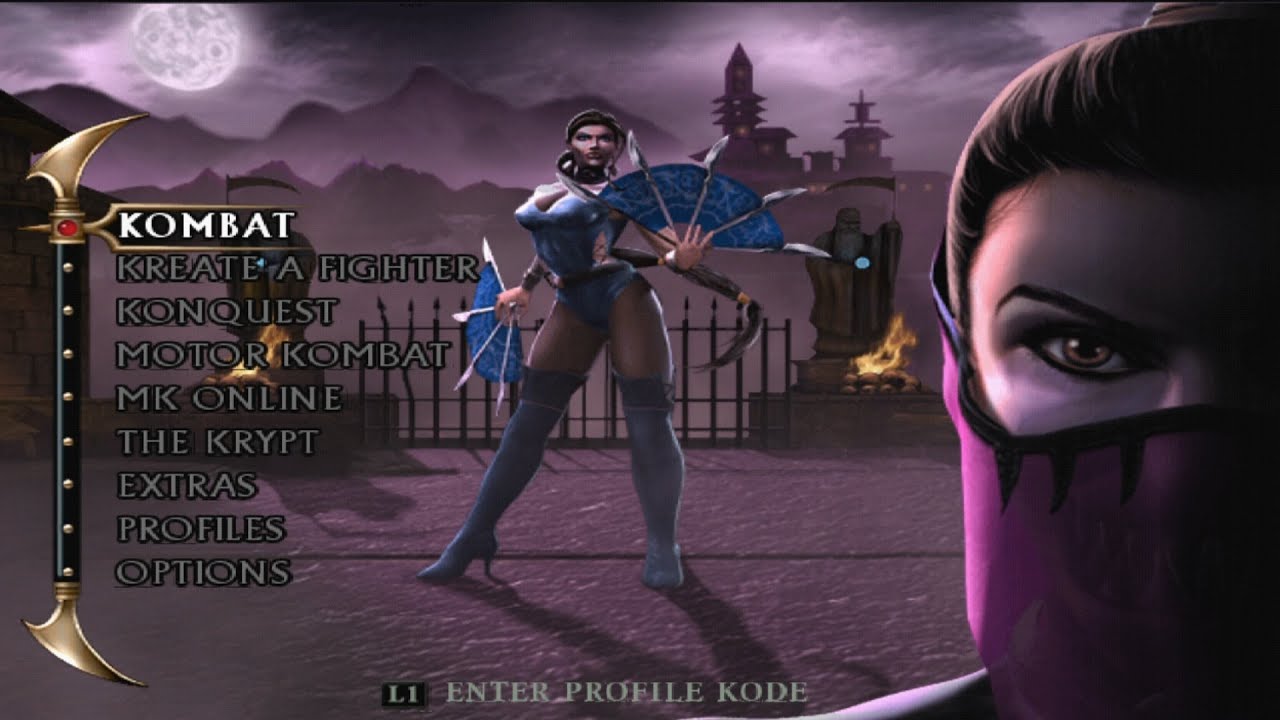
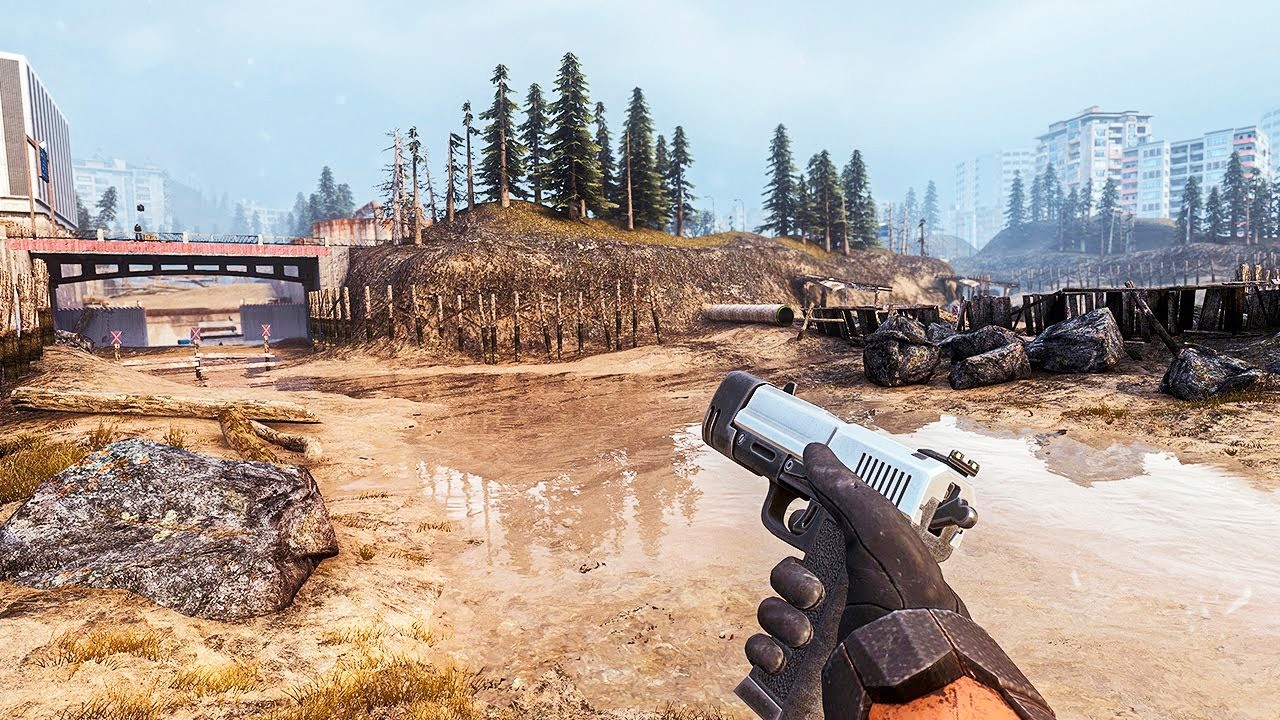
Mortal Kombat: Deception - Scorpion VS Darrius (PS2)
Автор: ZERO Gaming
Загружено: 2025-08-08
Просмотров: 379
Mortal Kombat: Deception is a 2004 fighting game developed and published by Midway. The sixth main installment in the Mortal Kombat (MK) series following Mortal Kombat: Deadly Alliance (2002), it was released for the PlayStation 2 (PS2) and Xbox in October 2004, the GameCube in March 2005, and for the PlayStation Portable (PSP) as Mortal Kombat: Unchained in November 2006. Following on from the events of Deadly Alliance, the game’s plot centers on the recently revived Dragon King Onaga, who upon defeating the Thunder God Raiden and sorcerers Quan Chi and Shang Tsung attempts to conquer various realms, meanwhile surviving warriors from prior MK titles join forces in a bid to stop him. In addition to online play and new chess and puzzle minigames, a revamped Konquest Mode from Deadly Alliance features a secondary plot line following the life of Shujinko, a warrior deceived by Onaga into finding artifacts to increase his power.
Developer(s) Midway Games[a]
Publisher(s) Midway
Director(s) Ed Boon
Producer(s) John Podlasek
Designer(s) Ed Boon
Paulo Garcia
Brian LeBaron
Artist(s) Steve Beran
Martin Stoltz
Pav Kovacic
Writer(s) John Vogel
Jon Greenberg
Alexander Barrentine
Brian Chard
Composer(s) Dan Forden
Chase Ashbaker
Rich Carle
Brian Chard
Series Mortal Kombat
Engine RenderWare
Platform(s)
Deception
Unchained
Release PlayStation 2 & Xbox
NA: October 4, 2004
PAL: November 19, 2004
GameCube
NA: February 28, 2005
Unchained
PlayStation Portable
NA: November 13, 2006
AU: November 23, 2006
EU: November 24, 2006
Genre(s) Fighting
Mode(s) Single-player, multiplayer
Designed by series co-creator Ed Boon, the game was created with the intent of surprising MK fans with surprising new and returning content, as well as providing a more realistic combat experience in order to preserve the series signature gory violence. Several parts of the gameplay, such as combos and arenas, were redesigned to accommodate the new style of realism as well as be more interactive for players. In addition, the game was designed with the online play in mind, which had yet to be established into a fighting game.
Upon release, Deception was positively received by critics, who praised the reworked combat and plethora of new features, but criticized the revamped Konquest Mode due to its poor story and voice acting. The game managed to sell more than 1 million units by the end of 2005 and was nominated as the best fighting game of 2004 by several game publications. It has since been regarded as having been the first fighting game to incorporate online multiplayer, which later became an industry standard for the genre moving forward. A sequel to Deception, Mortal Kombat Armageddon, was released in 2006.
Gameplay
A fight between Kenshi and Mileena on a beach arena.
The game's arenas are similar to those in Mortal Kombat: Deadly Alliance, but include new features. Some have weapons that may be picked up and used. Others are now branching, meaning you can knock the opponent out of the fighting area in certain locations and continue the fight in a new area. Most levels now have deathtraps, killing any player who gets knocked into them. The game also introduces the "Combo Breaker", a system which allows players to interrupt combos up to three times per match.[1] In contrast to Deadly Alliance, in which characters had only one Fatality, the Deception characters have two Fatalities and a hara-kiri suicide move. The latter is used when the phrase "Finish Him/Her" is shown on the screen and the player is about to lose.[2]
Deception introduces two minigames that use MK characters, "Chess Kombat" and "Puzzle Kombat". The Konquest mode returns, but has been expanded into a roaming adventure game with its plot.
Konquest mode
A young Shujinko meeting Kabal in the Konquest mode
Deadly Alliance's action role-playing game-style training mode — called "Konquest" — returns in Deception and is greatly expanded from the previous version. Set before the events of the main game, Deception's Konquest mode explores the history of Shujinko, starting before his training with Bo' Rai Cho and ending with the beginning of Deception's main story. While mostly an adventure game, the combat elements occur in the normal Deception fighting mode. Mastering each character's moves is now a minor mission, and it is unnecessary to beat all of them to beat the game mode. In Konquest, a young Shujinko meets Damashi, a being who requests his assistance in collecting six powerful items, the Kamidogu, to send to the Elder Gods. By the time he collects the six Kamidogu, Shujinko is an old man, having spent 46 years on his mission. However, Damashi is revealed to be the Evil Dragon King Onaga, who deceived Shujinko to obtain the six Kamidogu. Players seeking to unlock much of the bonus content in Deception must play through the Konquest mode. Even after completing the mode, players can continue exploring the worlds for additional items to unlock.[4]

Доступные форматы для скачивания:
Скачать видео mp4
-
Информация по загрузке: