AGILE TESTING PRINCIPLES|Agile Software Engineering|SNS institutions
Автор: S.Saranya SNS
Загружено: 2025-12-17
Просмотров: 11
#snsinstitutions #snsdesignthinkers #designthinking inthis video describes about Agile testing helps improve software quality by breaking down complex testing into smaller parts which are more manageable. It allows teams to automate tests more frequently, so they can catch issues early and fix them quickly. This approach leads to faster, more reliable software delivery.
Agile Testing is a Type of Software Testing that follows the principles of agile software development to test the software application. All members of the project team, along with the special experts and testers, are involved in agile testing. Agile testing is not a separate phase, and it is carried out with all the development phases, which are requirements, design, coding, and test case generation.
Agile testing is a flexible and dynamic process that runs continuously throughout each iteration of the Software Development Life Cycle (SDLC). The main focus for Agile testers is customer satisfaction, verifying that the product meets the needs and expectations of the users.
Agile testing is an informal process that is specified as a dynamic type of testing.
It is performed regularly throughout every iteration of the Software Development Lifecycle (SDLC).
Customer satisfaction is the primary concern for agile test engineers at some stage in the agile testing process.
Agile Testing Principles
Agile testing combines traditional testing with development to provide continuous feedback, faster fixes, and better alignment with customer needs. The main principles of Agile testing focus on:
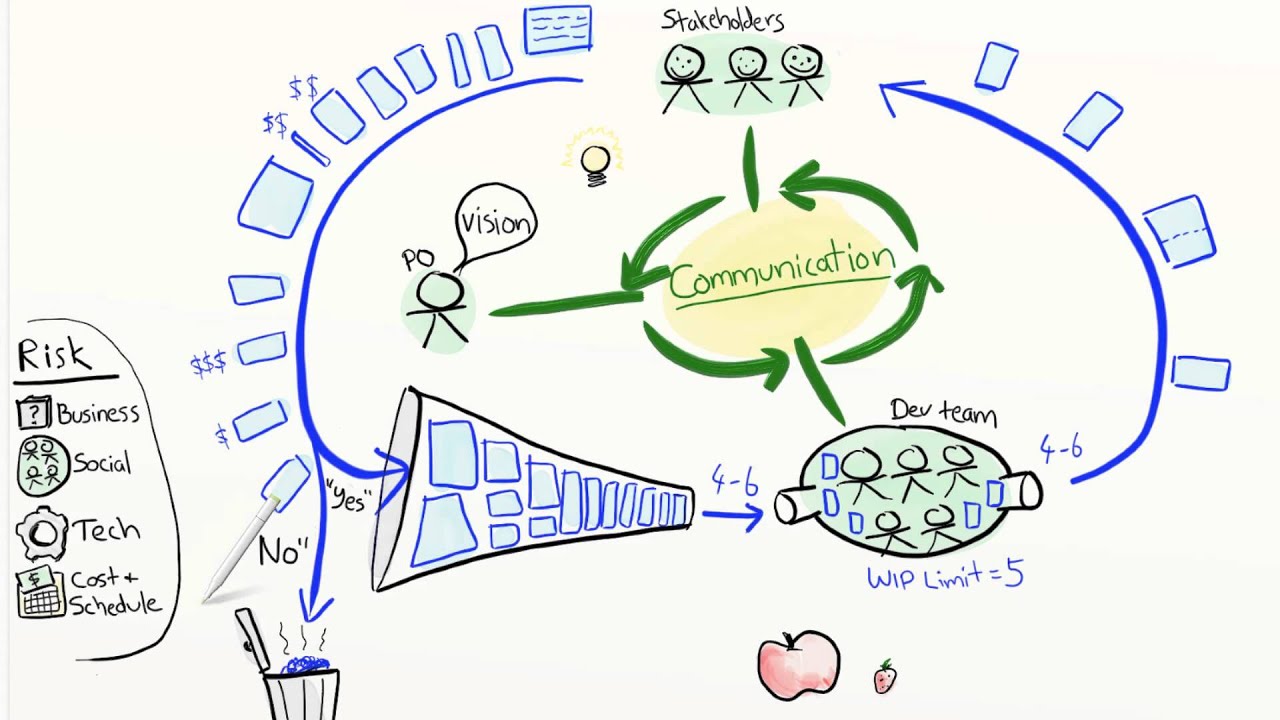
Shortening feedback iteration: In Agile Testing, the testing team gets to know the product development and its quality for each and every iteration. Thus continuous feedback minimizes the feedback response time, and the fixing cost is also reduced.
Testing is performed alongside Agile testing is not a different phase. It is performed alongside the development phase. It ensures that the features implemented during that iteration are actually done. Testing is not kept pending for a later phase.
Involvement of all members: Agile testing involves each and every member of the development team and the testing team. It includes various developers and experts.
Documentation is weightless: In place of global test documentation, agile testers use reusable checklists to suggest tests and focus on the essence of the test rather than the incidental details. Lightweight documentation tools are used.
Clean code: The defects that are detected are fixed within the same iteration. This ensures clean code at any stage of development.
Constant response: Agile testing helps to deliver responses or feedback on an ongoing basis. Thus, the product can meet the business needs.
Customer satisfaction: In agile testing, customers are exposed to the product throughout the development process. Throughout the development process, the customer can modify the requirements, and update the requirements and the tests can also be changed as per the changed requirements.
Test-driven: In agile testing, the testing needs to be conducted alongside the development process to shorten the development time. But testing is implemented after the implementation or when the software is developed in the traditional process.

Доступные форматы для скачивания:
Скачать видео mp4
-
Информация по загрузке:















![🔴 EXPRESS BIEDRZYCKIEJ | ROCH KOWALSKI, RADOSŁAW GRUCA [NA ŻYWO]](https://imager.clipsaver.ru/XHzbD-n7whE/max.jpg)