Best Solar System for your Home| OnGrid | OffGrid| Hybrid Solar System | English Version | Lumisuns
Автор: ALL TEST PREPARATIONS
Загружено: 2024-05-29
Просмотров: 37
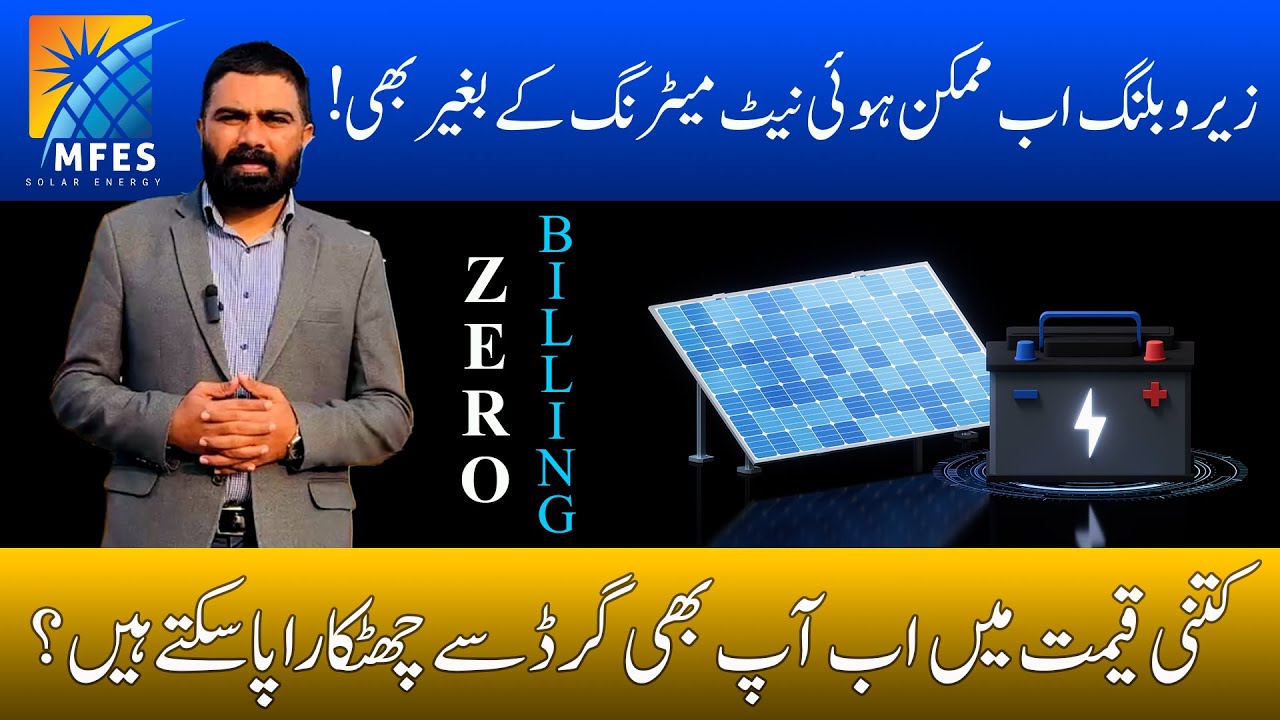
A solar power system can be categorized into three main types: on-grid, off-grid, and hybrid. Each system has distinct characteristics, applications, and benefits depending on the user's needs and the system's configuration. Here’s an overview of each:
1. On-Grid Solar System (Grid-Tied)
Definition:
An on-grid solar system is connected to the local utility grid. It allows the household or business to draw electricity from both the solar panels and the grid.
Components:
Solar panels
Inverter
Grid connection
Net meter (for net metering)
How it Works:
Solar panels convert sunlight into electricity.
The inverter converts the direct current (DC) from the panels into alternating current (AC) for use in the home or business.
Excess electricity generated by the solar panels is sent back to the grid (net metering), and the user is credited for this contribution.
When the solar panels do not generate enough electricity (e.g., at night or during cloudy days), electricity is drawn from the grid.
Advantages:
Lower initial cost compared to off-grid systems because batteries are not required.
Net metering can significantly reduce electricity bills.
Reliable and continuous power supply as it supplements solar energy with grid power.
Disadvantages:
Dependency on the utility grid; if the grid goes down, the solar system typically shuts off too.
2. Off-Grid Solar System
Definition:
An off-grid solar system is completely independent of the local utility grid. It typically requires batteries to store energy for use when the solar panels are not generating electricity.
Components:
Solar panels
Inverter
Battery storage
Charge controller
How it Works:
Solar panels convert sunlight into electricity.
The inverter converts the DC electricity from the panels into AC electricity for use in the home or business.
A charge controller manages the flow of electricity to and from the batteries to prevent overcharging or deep discharging.
Batteries store excess electricity for use at night or during periods of low sunlight.
Advantages:
Independence from the utility grid, providing power in remote locations.
Full control over the energy production and consumption.
Disadvantages:
Higher initial cost due to the need for batteries and charge controllers.
Maintenance and replacement costs for batteries.
Potentially limited power supply depending on battery capacity and weather conditions.
3. Hybrid Solar System
Definition:
A hybrid solar system combines the features of both on-grid and off-grid systems. It is connected to the grid but also includes battery storage to store excess energy for later use.
Components:
Solar panels
Inverter (sometimes hybrid inverter)
Battery storage
Charge controller (if not integrated into the inverter)
Grid connection
Net meter (for net metering)
How it Works:
Solar panels generate electricity, which is used to power the home or business.
The inverter converts DC electricity from the panels to AC electricity.
Excess electricity is stored in batteries or sent to the grid.
Stored battery power can be used during power outages or when solar production is low.
Support us on patreon
/ alltestpreparations
For Installation Solar Panels in Your Home
Contact Here
/ luminoussunsolar
For Daily General Portion MCQs Follow this page
/ alltestpreparations
For Hiring Online/Home Tutor Contact Here
/ lumstuitioncenter
OR
https://lumsonlinehometuitioncenter.b...
Our Social Media Links-
Youtube -
/ naveedahmadvlogs
/ alltestpreparations
Facebook-
/ alltestpreparations
/ 3171013393167390
Twitter- / naveedahmadvlog
Instagram- / naveedahmadvlogs
TikTok- naveedahmadvlogs
Snack- naveedahmadvlogs
Websites- https://engineeringworldbynaveed.blog...
https://informativeworldbynaveedd.blo...
Email - naveedahmad000000@gmail.com
The Following Music used in this video Is Royalty Free And I Have Permission To Use It Under The Creative Commons License.
No Copyright Intended.
"Copyright Disclaimer Under Section 107 of the Copyright Act 1976, allowance is made for "fair use" for purposes such as criticism, comment, news reporting, teaching, scholarship, and research. Fair use is a use permitted by copyright statute that might otherwise be infringing. Non-profit, educational or personal use tips the balance in favour of fair use."
#AllTestPrepationS #ongrid #offgrid #hybrid #solarsystem #lumisuns #solarpanelspriceinpakistan #whichtypeofsystemisbest
Доступные форматы для скачивания:
Скачать видео mp4
-
Информация по загрузке: