The Hymn of Zemene Tsige with Dn. Yonatan Dawit & Tsion Tesfaye
Автор: Bete Tekle - ቤተ ተክሌ
Загружено: 2025-10-12
Просмотров: 4819
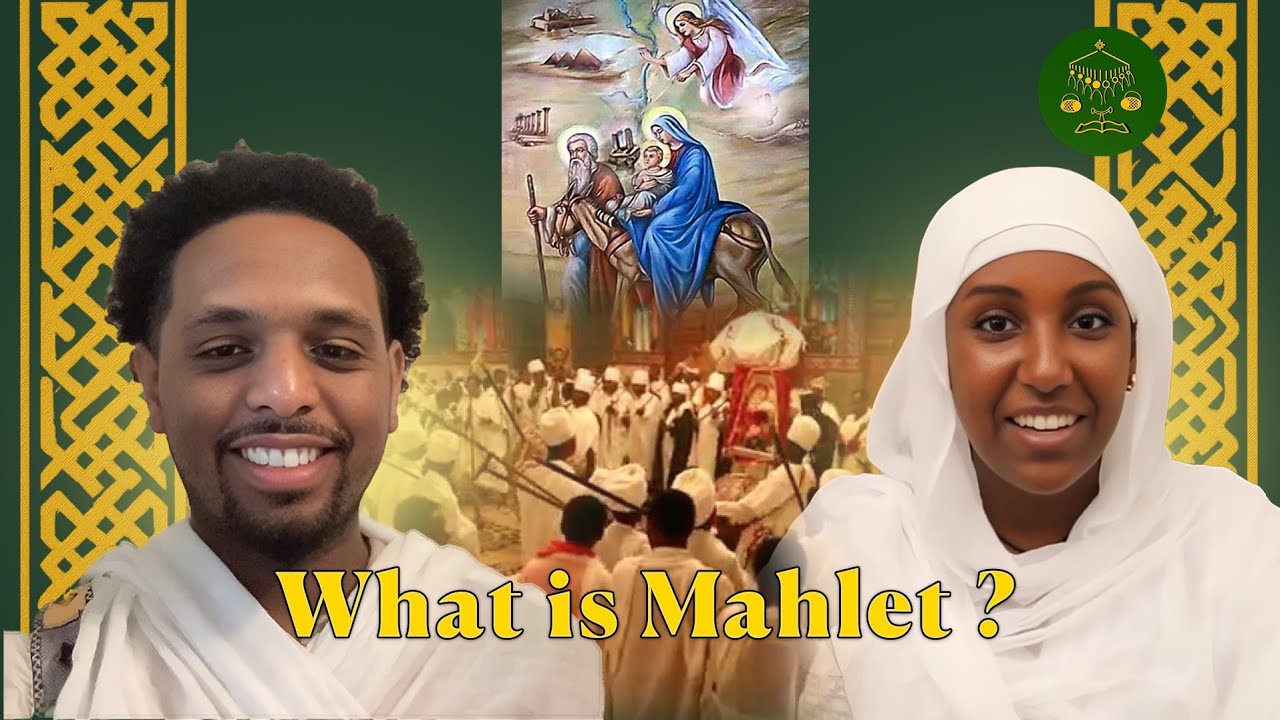
This podcast episode, titled "The Hymn of Zemene Tsige with Dn. Yonatan Dawit & Tsion Tesfaye," introduces Deacon Yonatan Dawit as a new guest. The episode continues a conversation about Zemene Tsige, which was started in a previous video (2:32).
Key topics discussed:
Meaning and Symbolism of Zemene Tsige (2:55): The word "Zemene Tsige" means "season of flowers" or "season of harvest." It's a period in Ethiopia when the land blossoms and fruits are harvested, symbolizing renewal and moving from a gloomy, rainy season to a bright, blossoming one.
Commemoration of the Holy Family's Exile (4:13): Zemene Tsige also commemorates the sorrowful flight of the Holy Family (Virgin Mary, Jesus Christ, and the Holy Family) into Egypt to escape King Herod. This season embodies a dual nature: the joy of harvest and the sorrow of exile.
Messages Emphasized During Zemene Tsige (5:31): The season emphasizes themes of renewal and bearing spiritual fruits. It draws parallels between the transition from a dark, rainy season to a bright, fruitful one and the transition from the "old age" corrupted by sin to a "new age" of hope and new life through Christ.
Uniqueness of Zemene Tsige in the EOTC (9:15): Zemene Tsige is unique to the Ethiopian Orthodox Tewahedo Church (EOTC) due to its correlation with Ethiopia's climate and seasons. The liturgical practices are heightened during this period, with services like "mahalit" held every Sunday and special Saturday services where the Song of Solomon is chanted.
Understanding Mahalit (11:57):
Definition: "Mahalit" means "to sing" or "to praise" and is a service of chants, comparable to the Coptic Church's "tasaha" (night prayer).
Source: It primarily uses compositions by St. Yared, a major scholar of the EOTC, who wrote much of the church's liturgical rubric.
Instruments: Mahalit is the only service where percussion instruments like the sistrum (prayer staff called "meat") and the Ethiopian drum ("kabero") are used (13:40).
Symbolism: Churches often give out red and white flowers during this season, symbolizing Christ's fully divine and fully human united nature (14:50).
Structure: Mahalit typically begins with an introductory prayer ("nyx"), followed by "melk" chants, which personify the Holy Trinity or saints by referring to specific body parts (16:49). Each "melk" is tied to a "zik" (a chant sung below it), which are often repeated for deeper reflection.
Mahalit of Zemene Tsige (Mahale Tsige) (20:52): "Mahale Tsige" is a specific chant within the Mahalit service during Zemene Tsige. It was written by Abba Giorgis of Gasecha and contemplates the harvest season. Later, church fathers connected this chant to the flight of the Holy Virgin Mary.
Evolution of Chants (25:12): The chants change yearly based on the calendar and the specific feast being celebrated, following a seven-year cycle. Two chants, "Eyoha Mariam" and "Alashenef," are consistently chanted every Sunday (26:29).
Wedeb (Spiritual Dance) (27:04): "Wedeb" is the part of Mahalit with the most physical movement, often described as a spiritual dance. It involves individual solos followed by unison singing and physical movements, building to a climax with fast rhythms and clapping.
Different Types of Wedeb Styles (29:56): Various Wedeb styles exist across different regions of Ethiopia due to historical decentralization and periods of war, which affected the development of liturgical services.
Gonder Style: The most common and standardized style, derived from the Gonder region (30:41, 41:01). It is shorter and simpler to learn.
Shawa Style: Characterized by long, elongated melodies that encompass the entire chant or excerpt, often with a full message within the "wedeb" (36:49, 43:52). The physical movements and the hitting of the "sistrum" are also distinct.
Gojjam/Andabet Style: Also features longer, more intricate melodies and often incorporates poetry, with a deeper, sometimes mysterious, meaning (38:30). The physical movements are different.
Gojjam Style: Known for being physically demanding with intricate movements (39:52). The melodies are longer, and the "wedebs" are rich in meaning, often containing hidden poetry.
The video concludes with examples of how these different "wedeb" styles sound, specifically a "Shawa" style "wedeb" (44:53).
habesha #christiandenomination #duet #abelbirhanuየወይኗ #voiceeffects #voiceeffects#ኢትዮጵያ # #kendilmedia #orthodox #abelbirhanuየወይኗ #motivation #eshetu #donkeytube#etventertainment # #comedianeshetu #motivation #ethiopianmotivation #ethiopianmotivationalspeaker #positivethinking #personaldevelopment #inspireethiopia #dinkelojoch#impactseminars #ኢትዮጵያ #habesha #ebstv #personaldevelopment #ET ART MEDIA #etartmedia #gudnesh #abbaytv #eotctv #ethiofourm #washewende #dreamscometrue#kanatv #zoroMewchaye #samvod #ምርጡገበታ #አዲስዝማሬ #lifeisbutadream #christiandenomination #duet #ዘማሪት_ ምርትነሽ_ጥላሁን #yewefGojo #voiceeffects #comedianzedo #fetadaily #
Доступные форматы для скачивания:
Скачать видео mp4
-
Информация по загрузке: