The controversial gay rights film in 1972
Автор: Queer Tapestry
Загружено: 2017-11-01
Просмотров: 8059
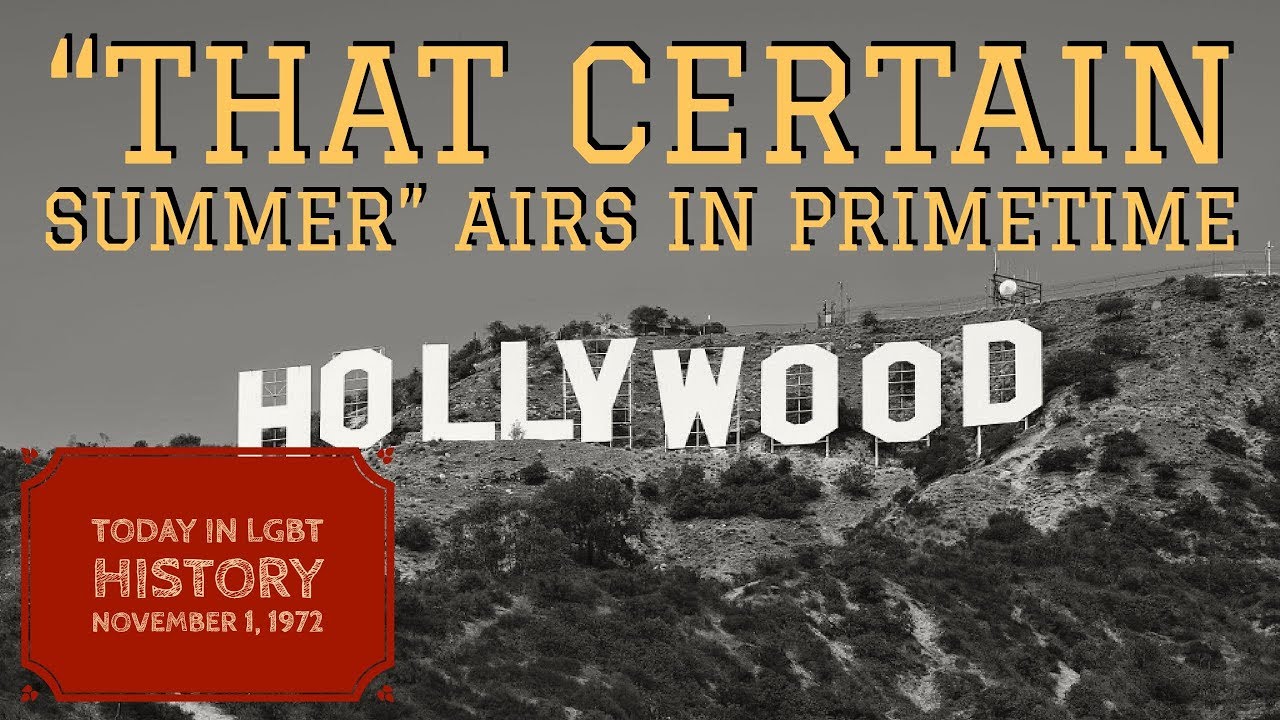
Welcome to 1972, just three years after the Stonewall riots and a year before homosexuality is no longer listed as a mental disorder. Famed Hollywood writer William Link describes this time as “terrible” for the LGBT community. It was during this time that Link was meeting one of his friends for lunch, the director Donald Driver, who was also gay. Going to Driver’s office, Link spotted this freckled kid and found out that it was his friend’s son from a past marriage coming to visit. Always the writer, Link started thinking about this situation. Did the kid know his dad was gay? Would he understand it if he did?
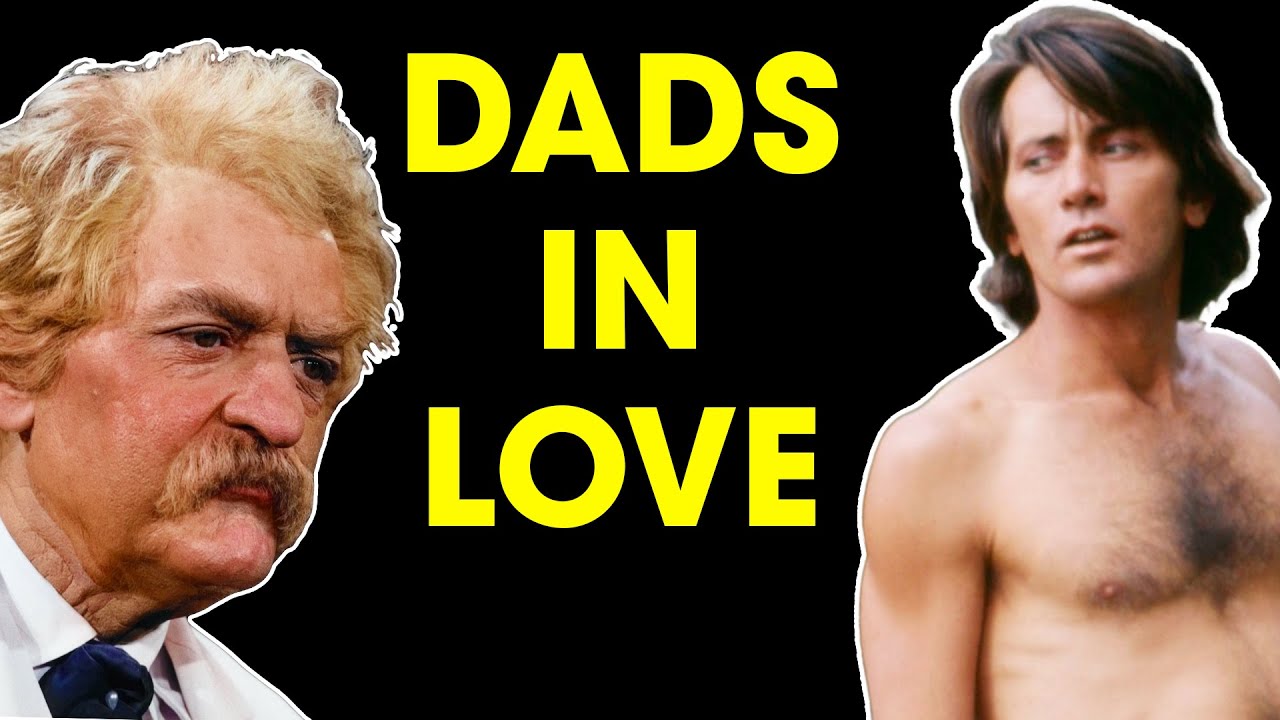
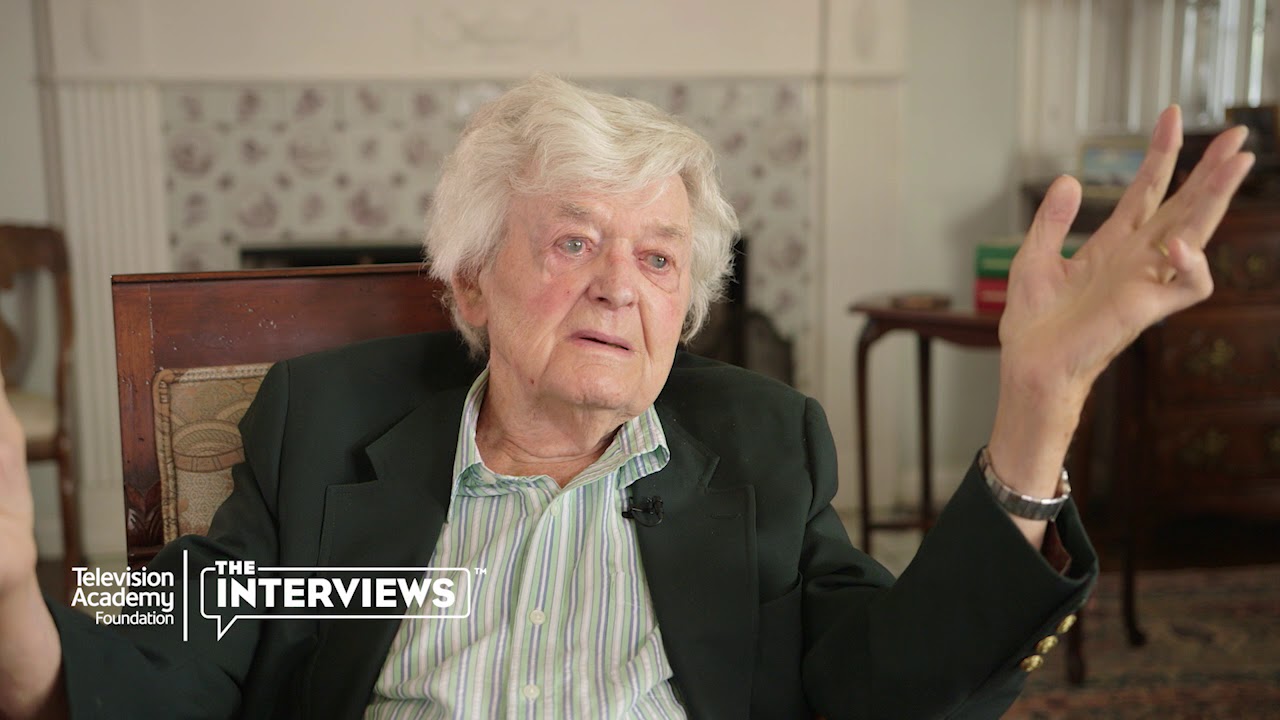
And so from this situation William Link and Richard Levinson wrote “That Certain Summer.” The movie tells the story of Doug Salter and Gary McClain, played by Martin Sheen and Hal Holbrook – two respected actors at the time and even more so today. When Doug’s son comes to visit and finds evidence of his father’s relationship with Gary, the two are forced into an honest conversation about homosexuality.
But television studios were, understandably, cautious about buying such a controversial script. NBC wouldn’t touch it with a 10-foot pole. Then they pitched the idea to an assistant to Barry Diller, who was looking for an "offbeat" movie. Diller was the head of ABC Movies at the time and was rumored to be gay even in the 70s. I'd like to point out that Diller has denied this even up to today, but the controversy has continued. A few years ago, Gawker went on the offensive against Diller using tabloid-style innuendos and circumstantial evidence. He married Diane von Fürstenberg in 2001. To me, it doesn't even matter if the rumors are true. If I have learned nothing else over the last couple of years, it's that everyone's journey to discover and accept their own truths is different. Outing an old man is something I have no interest in discussing. But Barry Diller's vital influence in getting "That Certain Summer" on the air is unmistakable and laudable. Diller had to fight with his bosses at ABC to do it. William Link says that Diller faced immense pressure and homophobia for his defense of the movie.
As a compromise, they had to make several changes to the movie to make it more acceptable to the public. They had to put in the brother-in-law character who stood up for conservative values. They also had to include a speech at the end of the movie where Hal Holbrook's character says that if being gay were a choice he would choose to be straight. Link tells us about the backlash from some of the gay community because of that speech. The movie's writers defend it though, pointing to the diversity of opinion within the LGBT community.
Most of the gay community celebrated the film being aired. Neither Hal Holbrook or Martin Sheen seemed to have any reservations about playing gay characters. Martin Sheen later told the Dallas Voice, "I'd robbed banks and kidnapped children and raped women and murdered people, you know, in any number of shows. Now I was going to play a gay guy and that was like considered a career ender. . . What kind of culture do we live in?"
Of course, some people were outraged. ABC affiliates received bomb threats if they were to air the film. But instead of holding back, the ABC marketing department had a different idea: they would be very clear what the movie was about in the advertisements for it. If the audience objected, they were welcome to watch another station. This sounds pretty great, right? But I doubt it was for any altruistic purpose, it likely comes down to the fact that the movie had already been made. The company had already spent the money, so they wanted to make as much as possible. Pulling it from certain affiliates wasn't an option, so they had to own it.
And the movie was a huge success at the time. Scott Jacoby won an Emmy for his role and the show was nominated for 6 others. It also won the Golden Globe for Best Movie Made for TV.
Sources
http://www.imdb.com/title/tt0069368/
https://en.wikipedia.org/wiki/That_Ce...
• William Link on the TV movie "That Certain...
https://www.forbes.com/sites/jeffberc...
http://gawker.com/5705361/meet-barry-...
http://www.nytimes.com/1988/06/28/obi...
Music Credits
Over Time by Audionautix is licensed under a Creative Commons Attribution license (https://creativecommons.org/licenses/...)
Artist: http://audionautix.com/
Social Media Links
http://teddervision.com
/ teddervision
/ teddervision
Доступные форматы для скачивания:
Скачать видео mp4
-
Информация по загрузке: