How to jump gaps on trials bikes︱Cross Training Trials Techniques
Автор: Cross Training Trials
Загружено: 2014-05-29
Просмотров: 74711
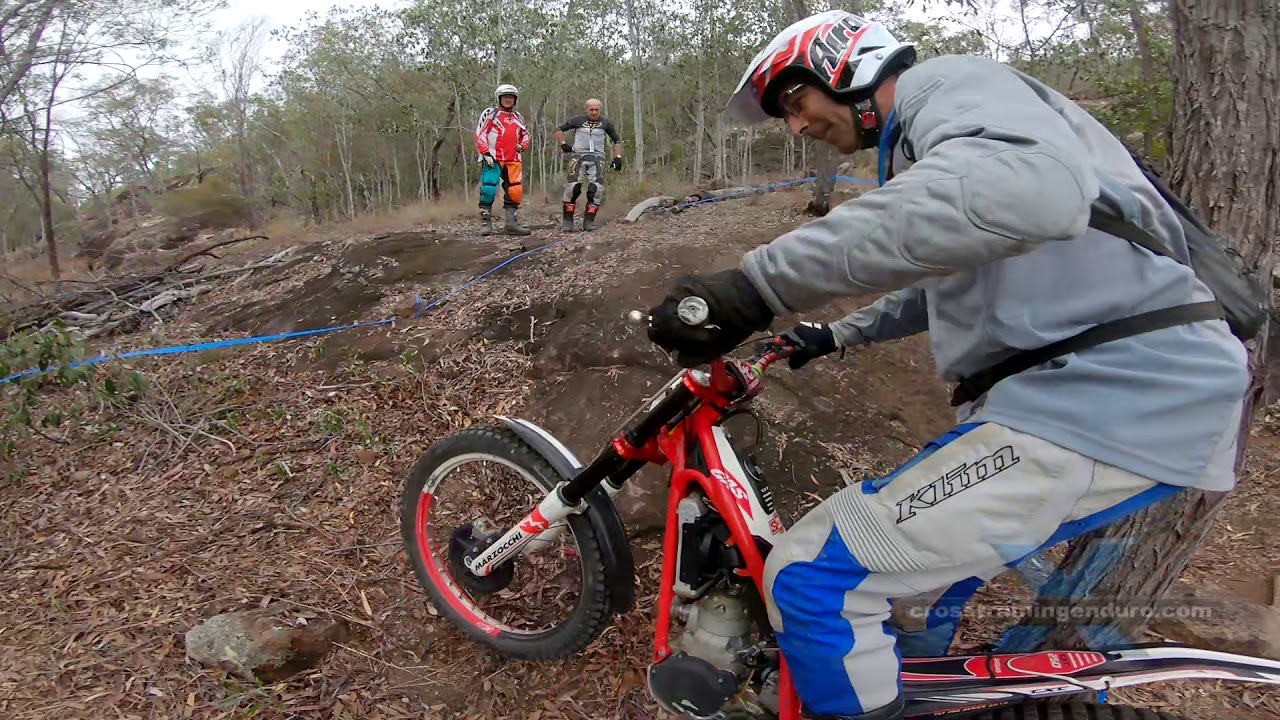
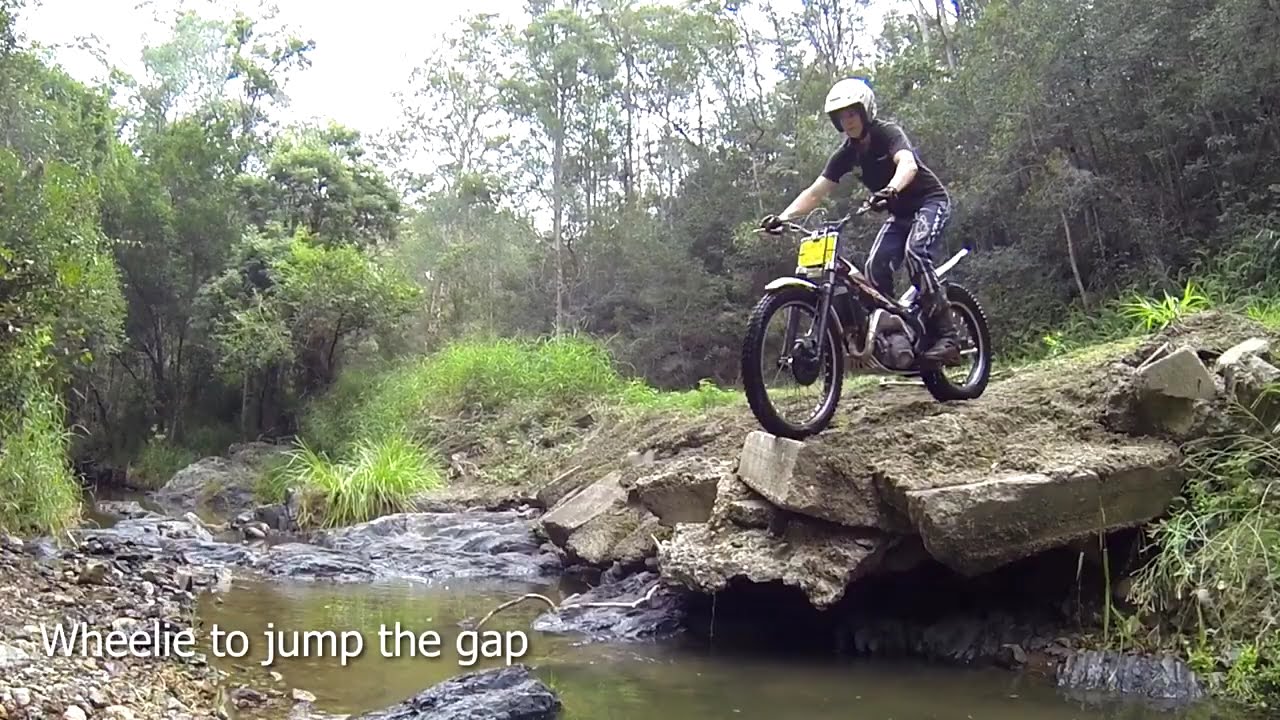
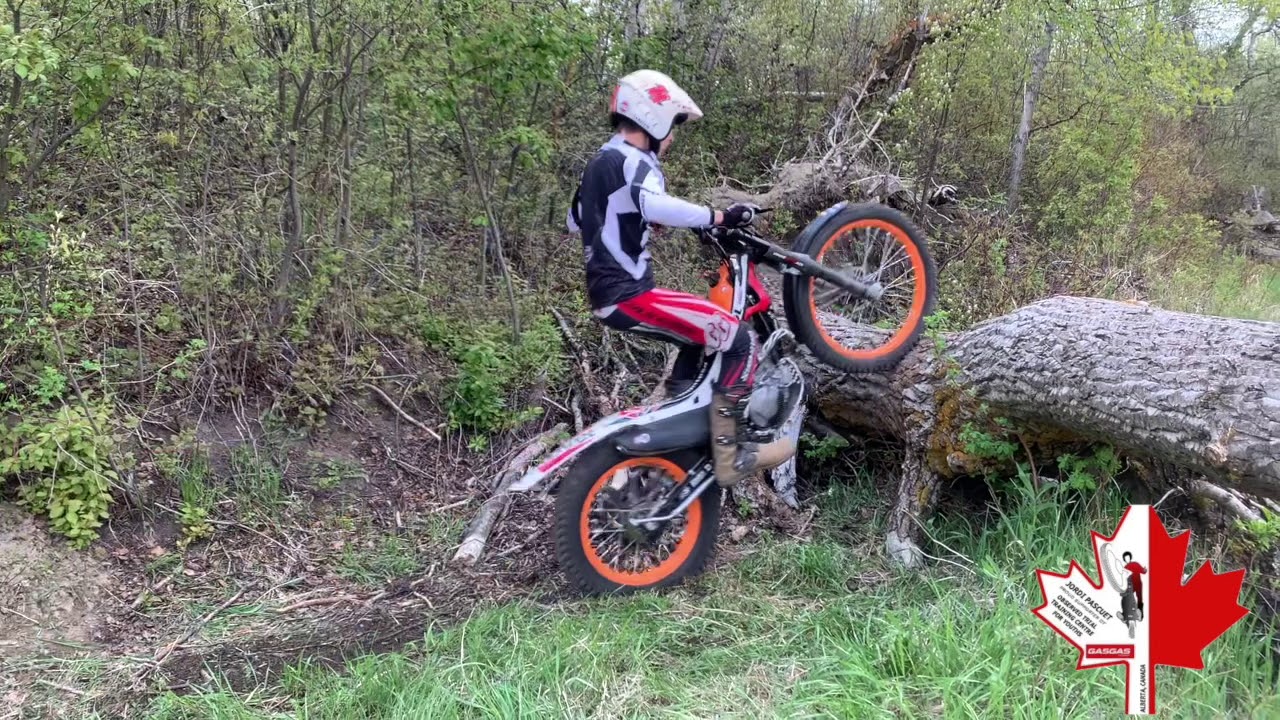
Occasionally you'll need to jump gaps on your trials bike in the higher grades. This trials training vid covers several ways to jump gaps using various techniques - wheelies, stoppies, deweighting, zaps, splats and more. As you progress to A and B grade sections you will be required to jump gaps. This can be done in a number of ways, and you will need to have your zap, splat, wheelie, covering the rear brake, stoppie (nose wheelie) and using a kicker skills handy to master all of them.See the full range of trials skills techniques at www.wdtc.org.au Thanks to the Western Districts Trials Club for their riders and expertise in putting together these trials training vids.
Trials website: http://wdtc.org.au
Facebook: / 167905573420579
Youtube: / @crosstrainingtrials
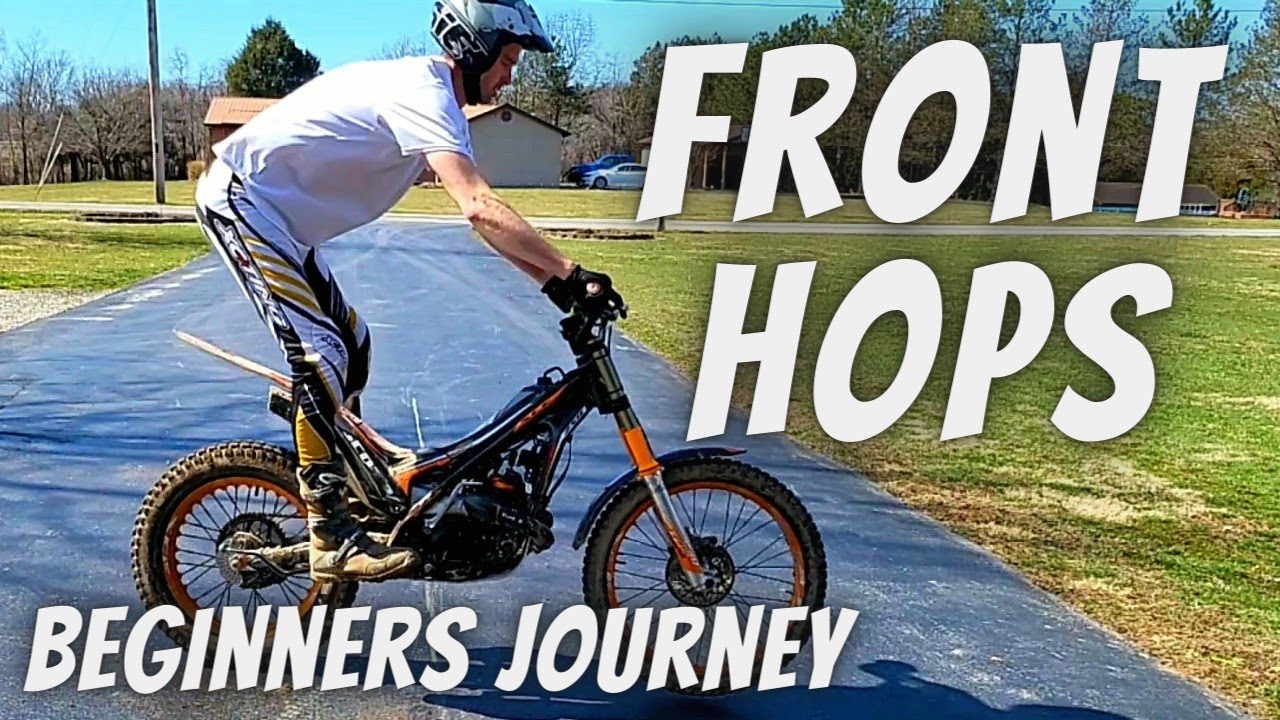
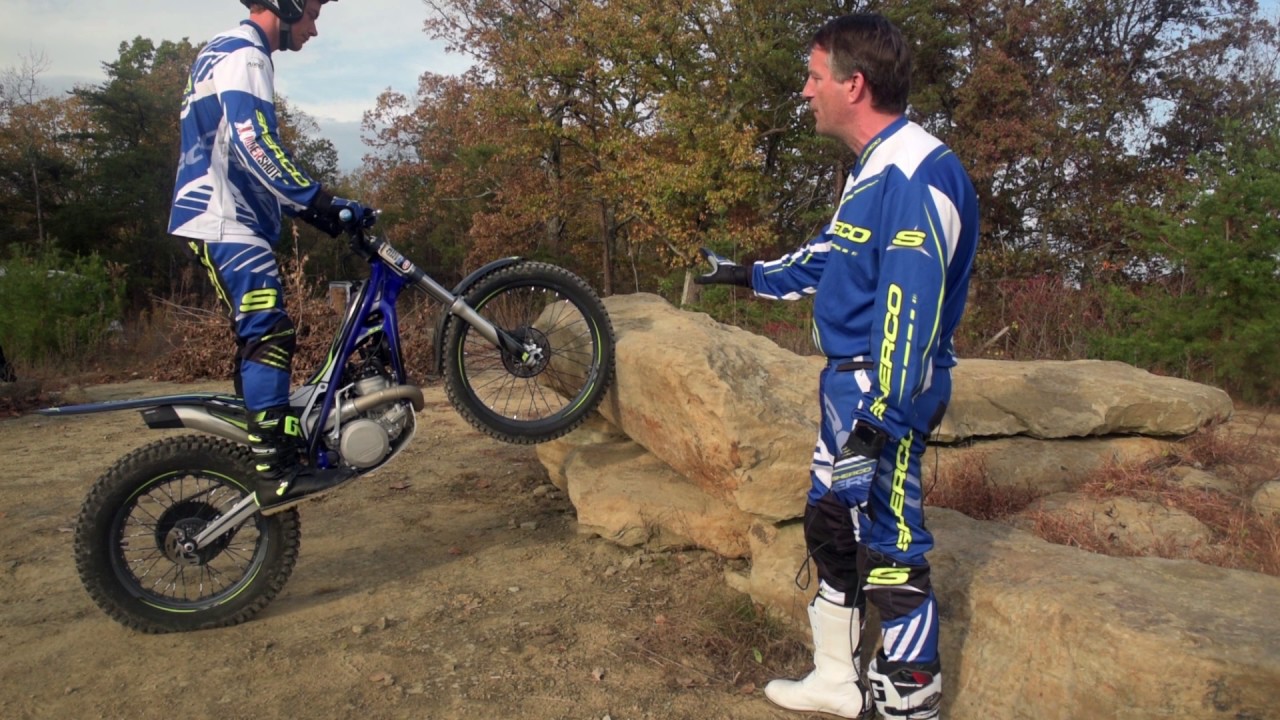
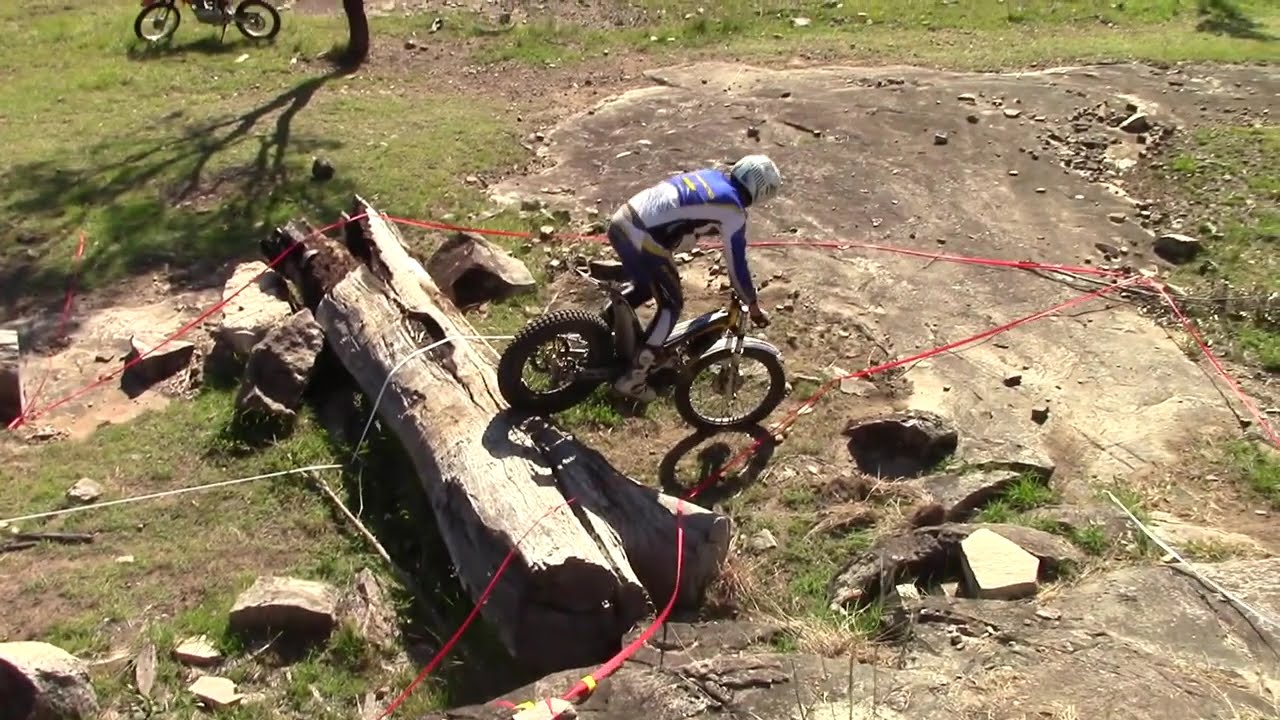
Sometimes the terrain allows you to simply jump your trials bike in a similar way to a dirt bike if there is an easy run up and plenty of room to stop after landing - but this is a rare combination in trials competition! The same skills from dirt riding apply, so see our cross training vid on how to jump a dirt bike for details. The next easiest technique? The basic wheelie and de-weighting the bike is a handy all purpose technique that doesn't need a lot of skill. Simply compress the forks for a wheelie, then de-weight the foot pegs to ensure the rear wheel clears the gap. This is useful when it's not so important for the rear wheel to clear the gap, or when the take off point is higher than your landing point so no special techniques are needed to clear the gap. See our wheelie training for more details. Both the above techniques can be enhanced by using a kicker. This can be a rock, small log, or a ridge or rise in the terrain that can act a a launching platform. Trials bikes are so light that even a two inch high object can make a big difference to clearing a gap successfully. Go to our Using a kicker training for more details. Trials bikes are specially made high-tech machines. Very light, low seat height and lots of power. They are usually single cylinder, liquid cooled engines, around 250cc capacity. Trials bikes have lots of ground clearance and suspension travel. Hydraulic disc brakes - front and rear. Trials tyres are super soft compound, and run tyre pressures of about 4-6 psi. Competitors will ride over an obstacle course of boulders, streams, hill climbs, logs, drop offs, and nearly anything else they can find. And did you know that trials is the world's most popular participatory motorcycle sport?
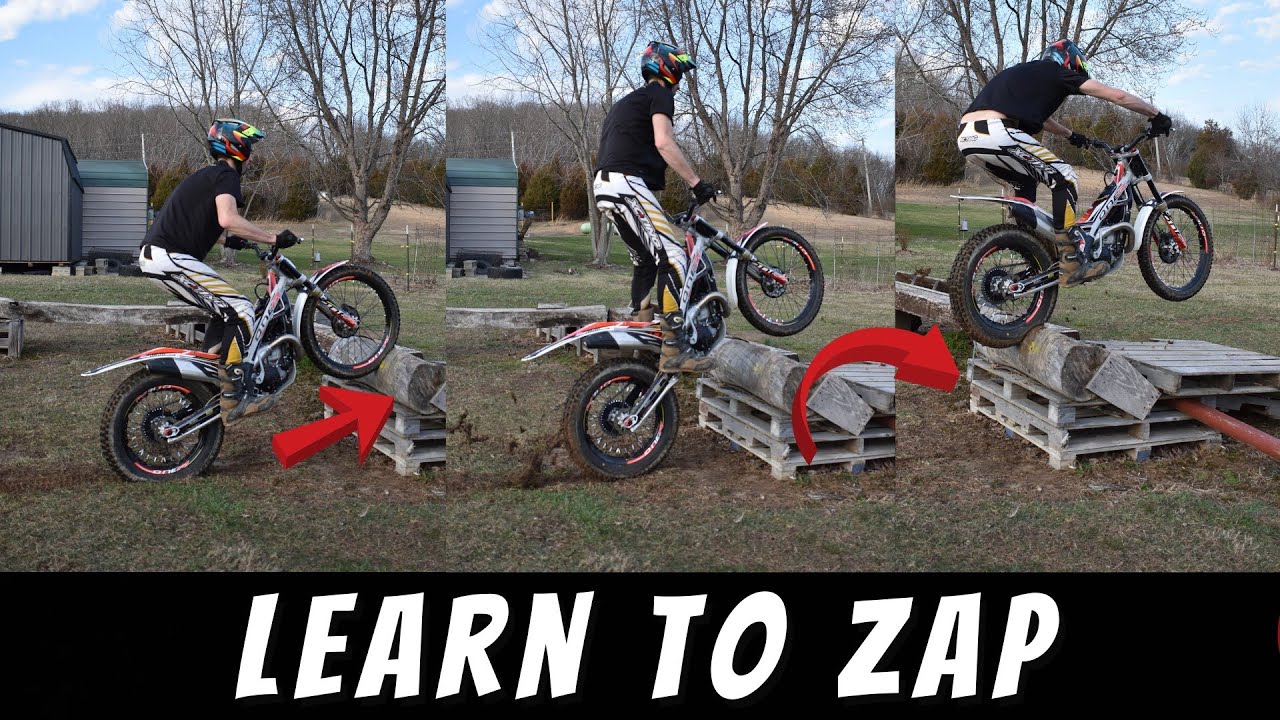
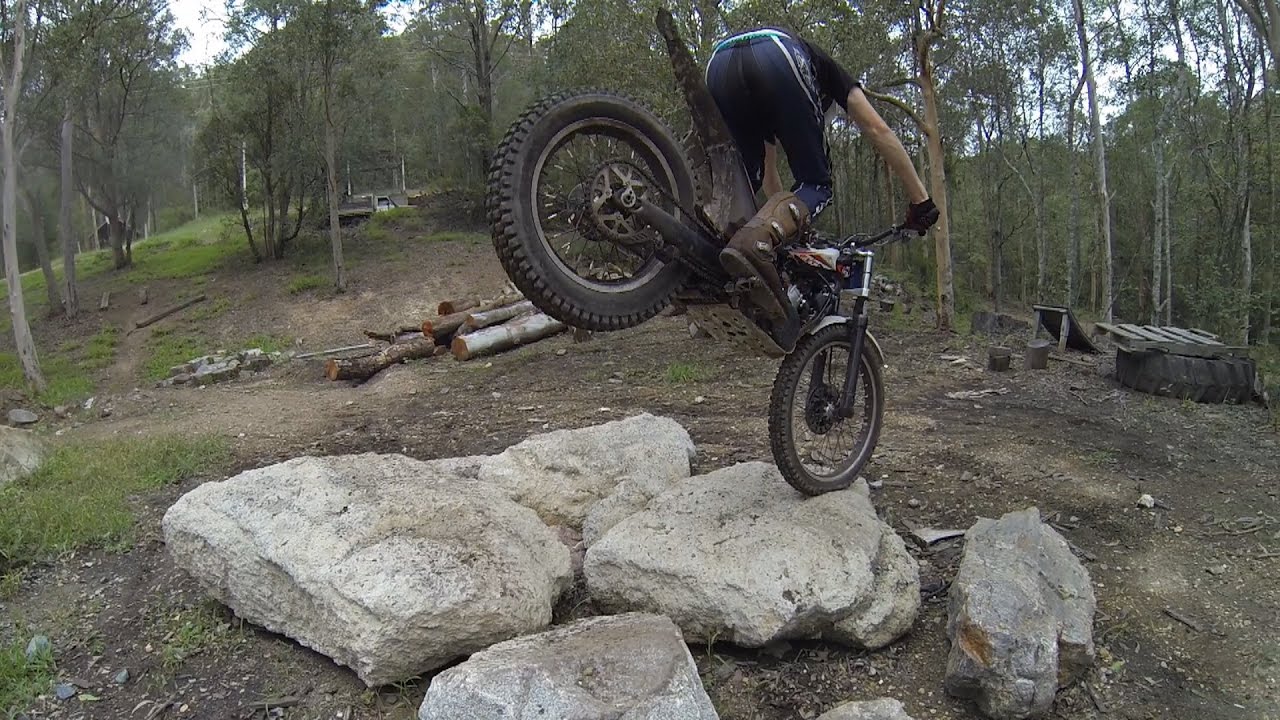
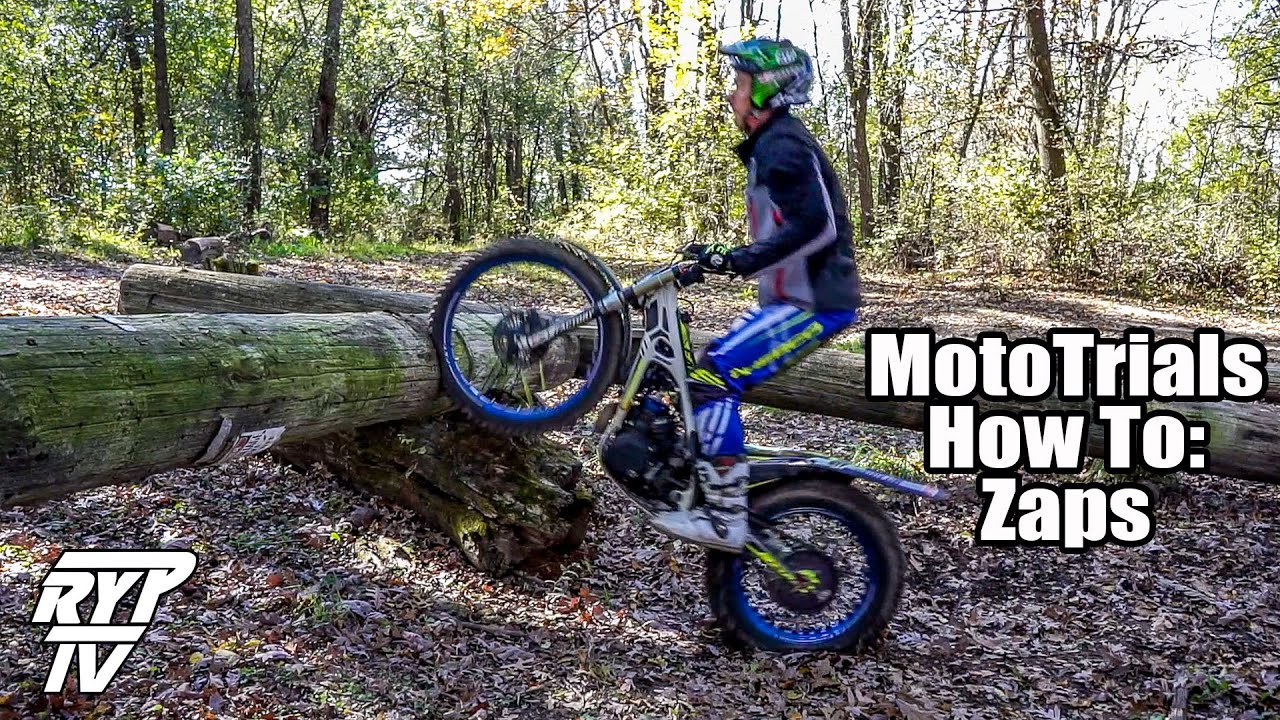
The zap means dropping the clutch and using your body weight to launch the bike across the gap - it is very useful when you have no run up to clear the gap. Apply throttle with the clutch in, ump on the foot pegs to compress the suspension, then release the clutch quickly to throw the bike forward. You can also use your body weight to determine how the bike will behave when jumping the gap. See our double blip & zap training for details. The splatter is a handy technique if the rear wheel isn't going to fully clear the gap. You initiate a back flip, but the rear wheel hits the object first and prevents the flip. As the front wheel of the bike is forced down it provides a lot of momentum so the rear wheel will climb the obstacle it hits. Make sure you have someone spotting for you at the top too when learning. See our Splatter training for a full explanation. Stoppies, or nose wheelies, can be very handy when you need to come to an immediate stop after clearing the gap. If there is sufficient run up then you can clear the gap by initiating a wheelie. The tricky part? While in mid-air, throw your body weight forward to bring the front wheel down to land first. The moment the front wheel had landed, apply the front brake so that the rear wheel stays in the air until it has cleared the gap. This takes a lot of good technique and timing! There are good examples of this in our Jumping gaps video. Another more difficult technique is holding pressure then using a zap - very useful when you have a tricky obstacle before clearing the gap. Do a wheelie on to the obstacle, hold pressure to keep the front wheelie in the air, then use a zap to jump the gap. You should have enough momentum to ensure the rear wheel goes over even if you don't clear the entire gap.
MUSIC CREDITS
This video uses music loops kindly allowed by www.looperman.com
We would also like to thank the following for use of their Creative Commons music in other videos:
Music: https://www.purple-planet.com
Music: https://audionautix.com/
Music by Tobu: https://tobu.io
Music: https://www.bensound.com/royalty-free...
Music: https://soundimage.org
Let us know if we used your music in other vids but forgot to credit you! #learntoridetrials #trialsriding #mototrials Website: https://sites.google.com/view/crosstr...
Доступные форматы для скачивания:
Скачать видео mp4
-
Информация по загрузке:




![Funny Trial Moto Tricks | The Craziest Trial Skills [HD]](https://imager.clipsaver.ru/xJZbxSXhIsc/max.jpg)