The Myth of Marines and the M1 Garand
Автор: Historical Notes
Загружено: 2026-01-19
Просмотров: 52
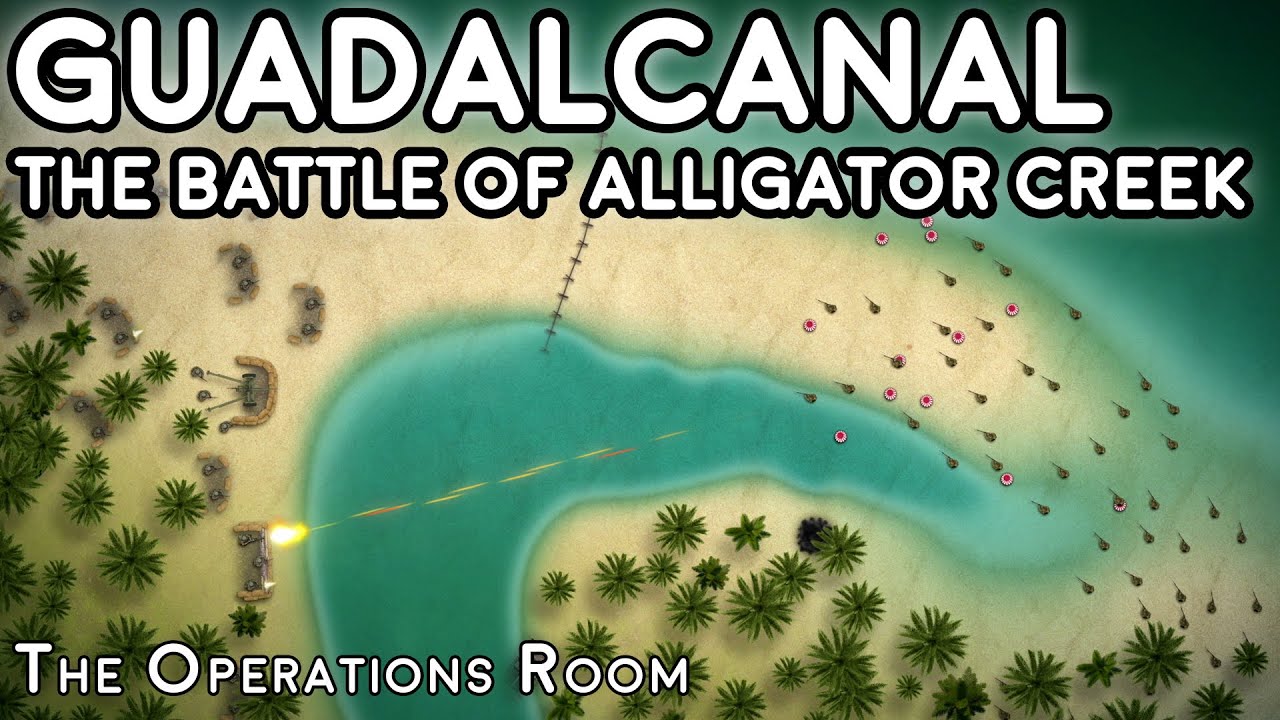
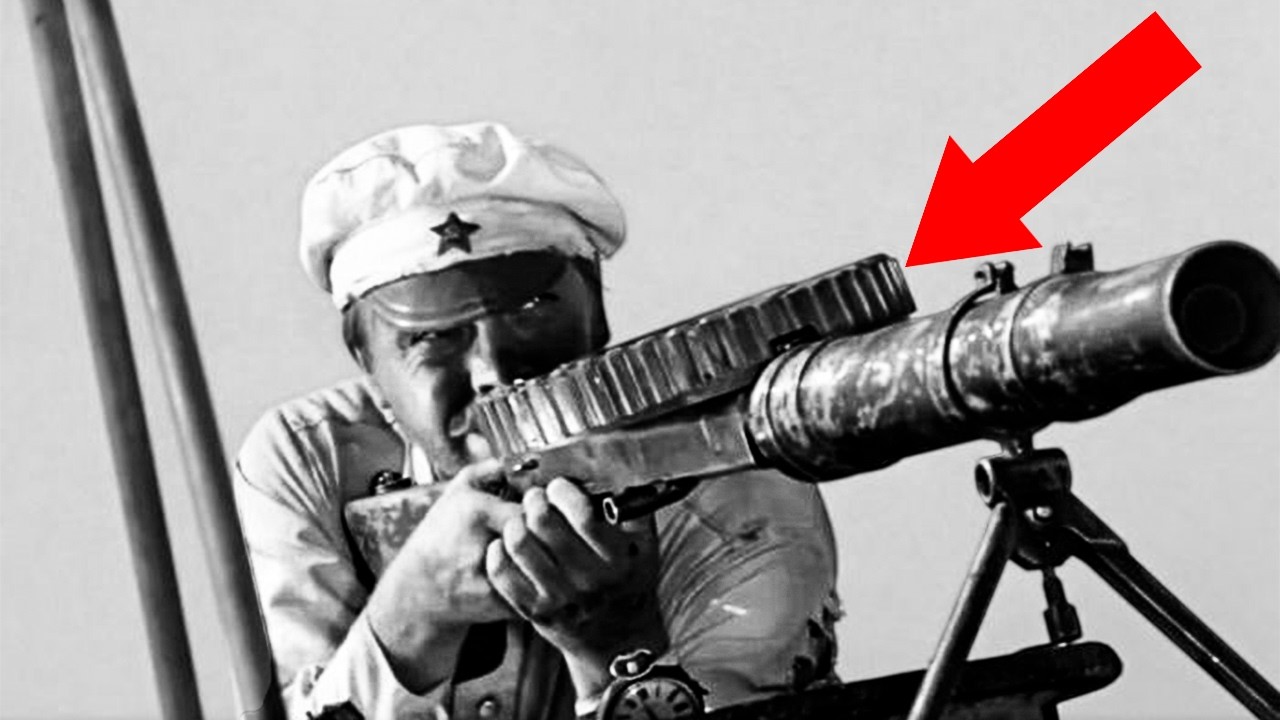
If you've watched videos about the Pacific War, you've probably heard the M1 Garand gave American forces a decisive edge over Japanese bolt-actions. Eight rounds of semi-automatic firepower versus a five-round bolt-action. Sounds like a massacre waiting to happen.But let's be honest—most Marines who fought the decisive early campaigns of the Pacific never fired one.The iconic image of Garand-armed Marines storming beaches and mowing down banzai charges is retroactive mythology. The men who landed on Guadalcanal in August 1942, who held Henderson Field through six months of hell, who won America's first ground victory against Japan? They did it with the same bolt-action M1903 Springfields their fathers had carried in the trenches of France.And there's a reason for that. A bureaucratic reason. A political reason. A reason that had nothing to do with what Marines needed and everything to do with who got to the front of the line.Here's the thing about the Marine Corps in 1941. It wasn't an independent service branch. Marines operated as a component of the Department of the Navy, which meant their weapons procurement went through Navy channels. They weren't competing against Army divisions for rifles—they were competing against ships, aircraft, and torpedoes for budget allocation. The Army's ordnance establishment had deeper, older relationships with the arsenals that produced infantry weapons. Springfield Armory in Massachusetts had been making rifles for Army contracts since George Washington established it in 1795. That century-and-a-half relationship meant something when allocation decisions got made.When Japan attacked Pearl Harbor in December 1941, the M1 Rifle became a top priority. Springfield and Winchester ran around the clock. But "top priority" meant top priority for the Army.

Доступные форматы для скачивания:
Скачать видео mp4
-
Информация по загрузке: