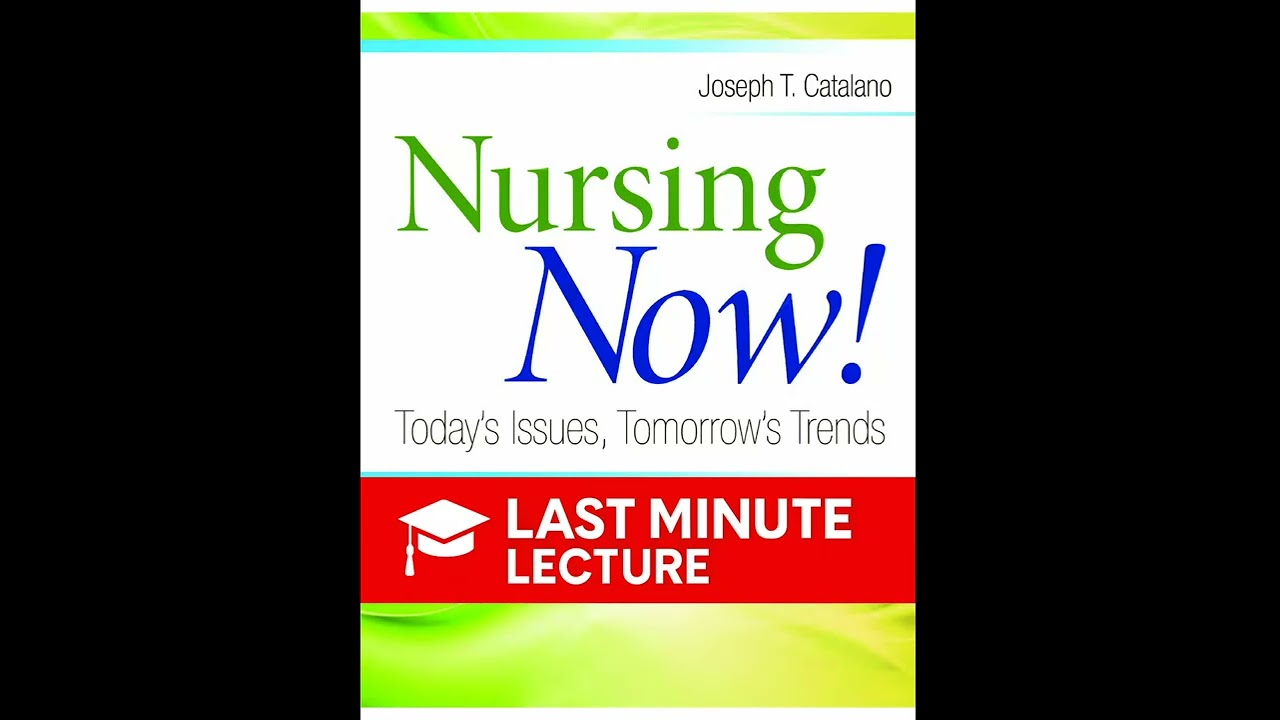
Nursing Research & Evidence-Based Practice | Chapter 24 – Nursing Now! (7th)
Автор: Last Minute Lecture
Загружено: 2026-01-17
Просмотров: 1
This chapter explores the evolution of nursing research as the cornerstone of professional autonomy and high-quality healthcare delivery. Beginning with the historical legacy of Florence Nightingale, who pioneered the use of objective data to drive reform, it traces the journey from experiential trial-and-error methods to the modern scientific process, which validates nursing interventions through empirical evidence. Central to this discussion is the shift toward Evidence-Based Practice (EBP), a gold standard that integrates the best available research with clinical expertise and patient preferences. The text delves into the distinct methodologies of quantitative research, which utilizes objective data and controlled variables to establish causal relationships, and qualitative research, which focuses on the subjective meanings of human experiences like quality of life or spirituality. Students will learn to navigate the research process using the PICO framework (Population, Intervention, Comparison, Outcome) and understand the importance of Evidence Reports, which rank the strength of findings from high-level meta-analyses to individual case reports. Furthermore, the chapter addresses the significant impact of the Affordable Care Act and the Patient-Centered Outcomes Research Institute (PCORI) on funding and comparative effectiveness research (CER), highlighting priorities like chronic disease management and infection prevention. A major focus is placed on narrowing the research-practice gap, identifying systemic barriers such as entrenched traditions and a lack of administrative support, while proposing strategies like the Rosswurm and Larrabee Model for successful clinical implementation. Ethical considerations remain paramount, with deep dives into the Nuremberg Code, the role of Institutional Review Boards (IRBs), and the necessity of informed and process consent to protect vulnerable populations. Finally, the chapter outlines the specific research competencies expected at every educational level, from associate degree graduates assisting in data collection to doctoral-prepared nurses leading theoretical development and systemic change within the healthcare system.
📘 Read full blog summaries for every chapter:
https://lastminutelecture.com
📘 Have a book recommendation? Submit your suggestion here:
https://forms.gle/y7vQQ6WHoNgKeJmh8
Thank you for being a part of our little Last Minute Lecture family!
⚠️ Disclaimer: These summaries are created for educational and entertainment purposes only. They provide transformative commentary and paraphrased overviews to help students understand key ideas from the referenced textbooks. Last Minute Lecture is not affiliated with, sponsored by, or endorsed by any textbook publisher or author. All textbook titles, names, and cover images—when shown—are used under nominative fair use solely for identification of the work being discussed. Some portions of the writing and narration are generated with AI-assisted tools to enhance accessibility and consistency. While every effort has been made to ensure accuracy, these materials are intended to supplement—not replace—official course readings, lectures, or professional study resources. Always refer to the original textbook and instructor guidance for complete and authoritative information.
Доступные форматы для скачивания:
Скачать видео mp4
-
Информация по загрузке: