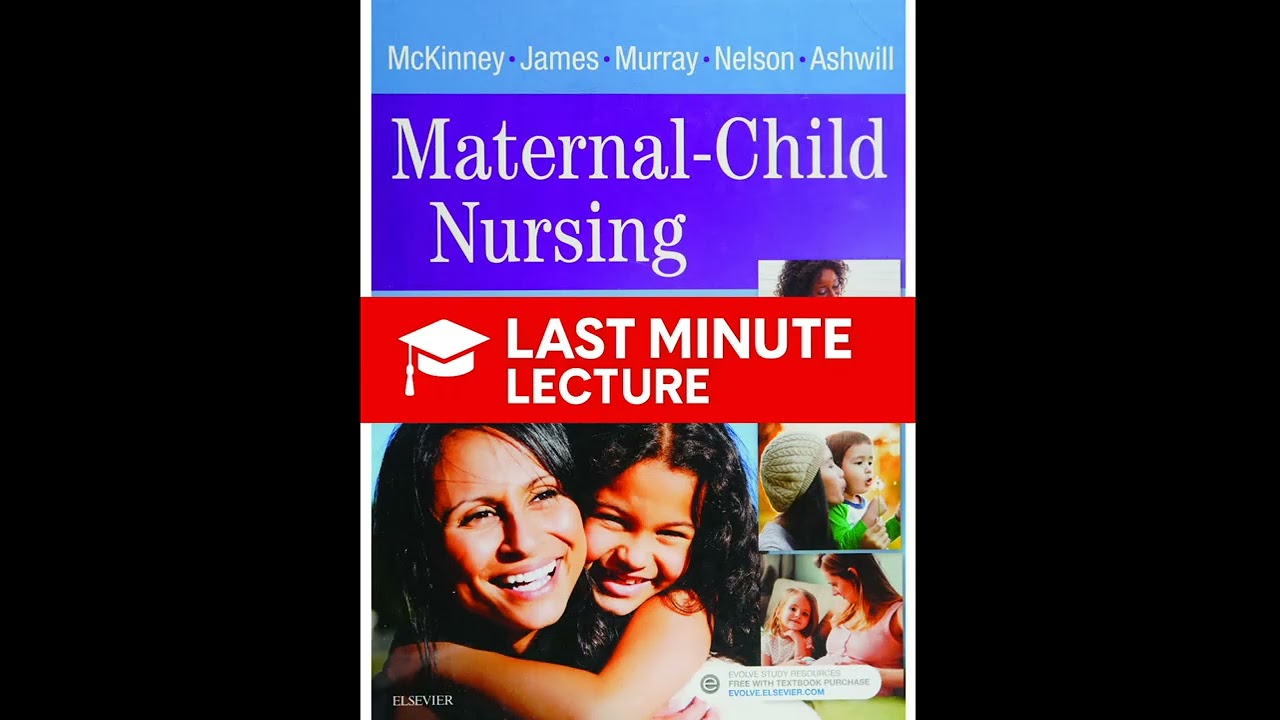
Child With Intellectual & Developmental Disability | Chapter 54 – Maternal-Child Nursing (5th)
Автор: Last Minute Lecture
Загружено: 2026-01-14
Просмотров: 1
This comprehensive overview addresses the clinical management of children living with intellectual and developmental challenges, emphasizing a shift toward inclusive terminology and person-centered care. It explores the transition from outdated clinical labels to the modern framework of intellectual disability, which evaluates a child based on both cognitive capacity and adaptive functioning—the practical skills required for daily life. The text distinguishes between mental age, which guides how a nurse should explain procedures, and functional age, which dictates the child’s level of independence in activities of daily living. A significant portion of the discussion is dedicated to the etiology of these conditions, spanning genetic mutations, chromosomal alterations, and environmental factors. Key genetic disorders highlighted include Down syndrome, characterized by its unique chromosomal origin and specific physical and medical profiles; Fragile X syndrome, a leading inherited cause of cognitive impairment; and Rett syndrome, which primarily affects females through a regression of previously acquired skills.
The chapter also examines disorders stemming from external influences, such as fetal alcohol spectrum disorder, which results in permanent central nervous system deficits due to prenatal toxin exposure. Furthermore, it addresses the multifaceted nature of autism spectrum disorders, detailing the diagnostic criteria for social, communicative, and behavioral impairments, while stressing the vital importance of early screening and the maintenance of rigid routines during hospitalization. Nursing priorities are framed around thorough developmental surveillance, family advocacy, and the coordination of multidisciplinary services. Nurses are encouraged to support families through the recurring cycles of grief and to act as pivotal figures in the development of individualized education plans to maximize a child’s potential. By focusing on strengths-based assessment and safety-conscious interventions, healthcare providers can help minimize environmental barriers and promote the highest possible level of autonomy for the child within their community and educational settings.
📘 Read full blog summaries for every chapter:
https://lastminutelecture.com
📘 Have a book recommendation? Submit your suggestion here:
https://forms.gle/y7vQQ6WHoNgKeJmh8
Thank you for being a part of our little Last Minute Lecture family!
⚠️ Disclaimer: These summaries are created for educational and entertainment purposes only. They provide transformative commentary and paraphrased overviews to help students understand key ideas from the referenced textbooks. Last Minute Lecture is not affiliated with, sponsored by, or endorsed by any textbook publisher or author. All textbook titles, names, and cover images—when shown—are used under nominative fair use solely for identification of the work being discussed. Some portions of the writing and narration are generated with AI-assisted tools to enhance accessibility and consistency. While every effort has been made to ensure accuracy, these materials are intended to supplement—not replace—official course readings, lectures, or professional study resources. Always refer to the original textbook and instructor guidance for complete and authoritative information.
Доступные форматы для скачивания:
Скачать видео mp4
-
Информация по загрузке: