The Last Spring of Iconic Malta Bus.
Автор: Fla Photography and Travel
Загружено: 2023-11-30
Просмотров: 801
The Last Spring of Iconic Malta Bus. We were lucky - we last saw the old Maltese buses in the spring of 2011.
#maltabus #malta #maltapublictrasport #maltahistory
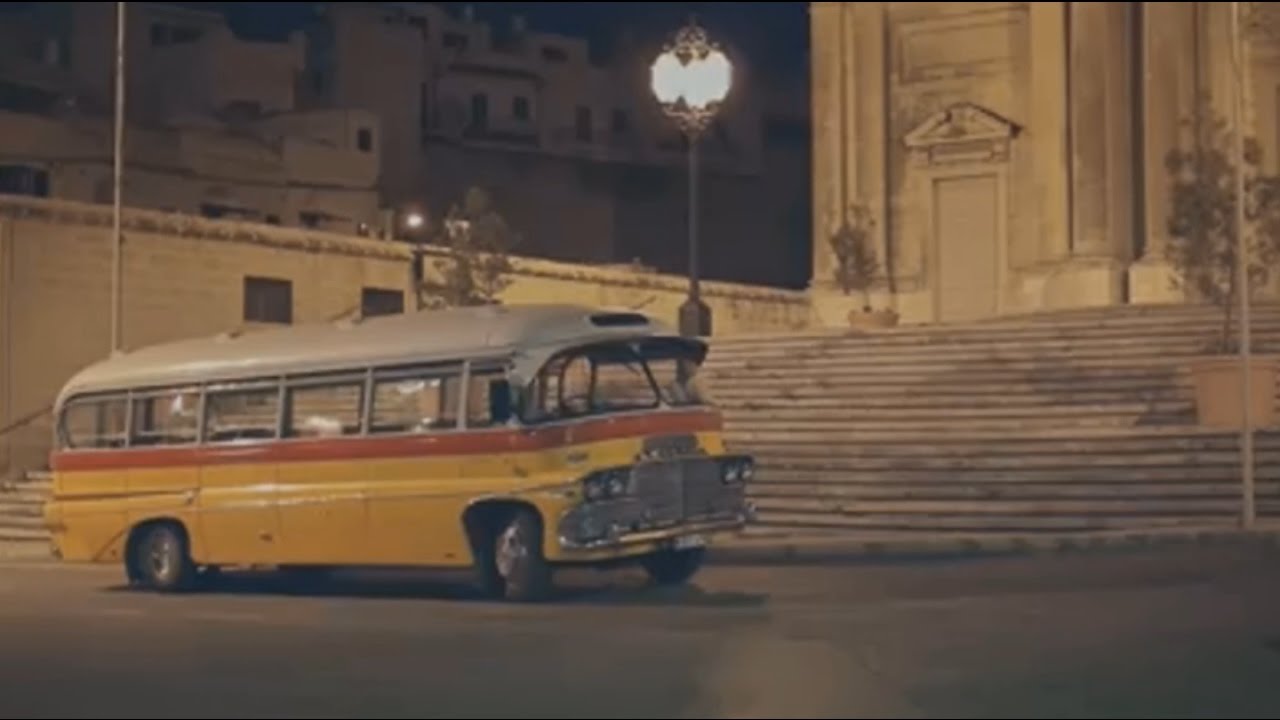
The traditional Maltese buses were well known abroad, loved by tourists for their character and nostalgic value. With the majority of the fleet classified as antique, tourists often marvelled at the fact that these vehicles were still in operating condition up until 2011.
A large part of the Maltese population, however, had become increasingly frustrated with the heavy diesel fumes and slow bus service. Being one of the few modes of public transport on the islands currently, with a network of bus routes reaching most remote villages, many Maltese depend on the bus service on a daily basis.
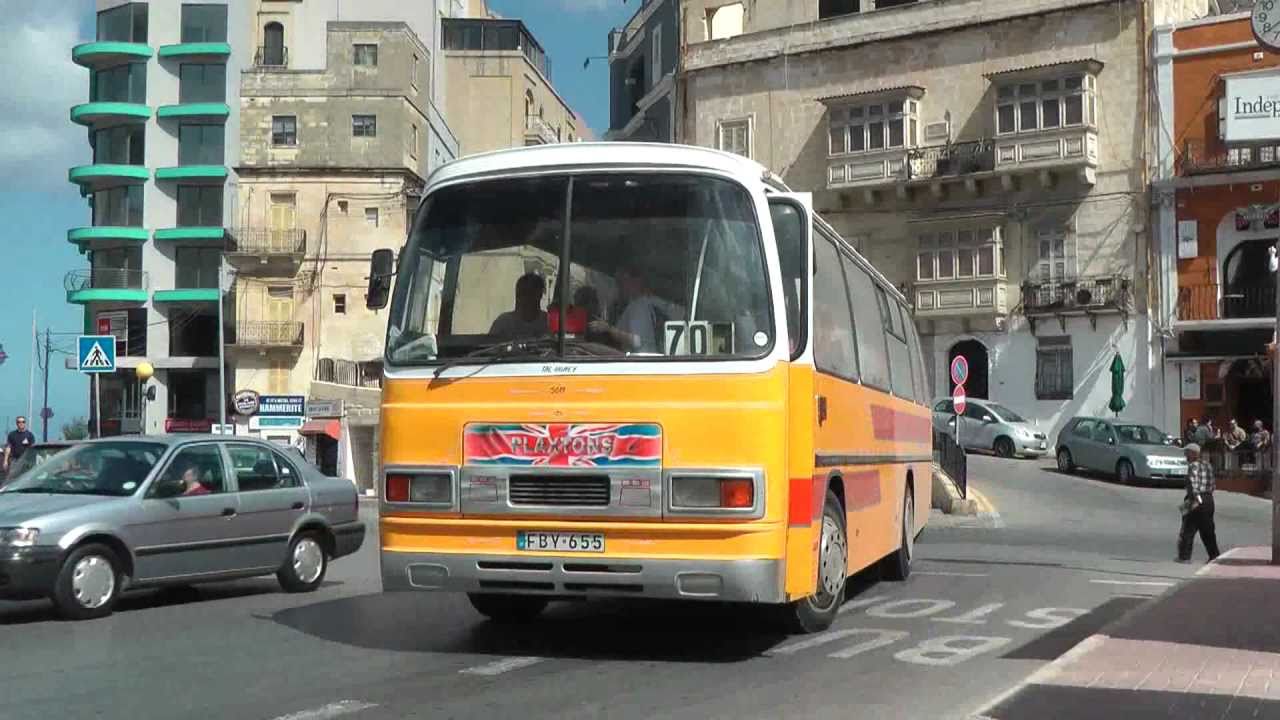
The old Malta buses were really something truly unique and one of the most recognisable icons of Malta. Mainly of British manufacture, with marques such as Bedford, AEC, Leyland and Ford, a large number of these buses date back from the 1970s and 1960s, with a few examples from the 1950s. Some were manufactured locally as well.
Having been replaced with a modern fleet of buses by Arriva, then Malta Public Transport, the old Maltese buses have vanished from the streets of Malta and Gozo. If you’re lucky you can spot a few of them around the Sliema area, for tourist tours. Another couple of these old timers were exported to the UK, bought by collectors for restoration projects.
Colours and livery
The last of these old Maltese buses were yellow in colour with an orange horizontal stripe and their Gozitan counterparts grey coloured with a red horizontal stripe. The vast majority of the buses started and ended their trips at the main terminus in Valletta with a few operating on circular routes.
History of Malta Buses
Before buses were even visible on Malta roads, the main mode of transport was by Rail (with a single line stretching from Valletta to Rabat and Mdina on the Eastern side of Malta), cabs, and horse-driven lorries. Primitive buses began operating in 1905 and this had a negative effect on the Malta Railway as buses became more popular. In the early 1920s, bus manufacturing took centre stage on the Malta Island. In the late 1920s, buses operated on public transport roads and there was a lot of competition between operators.
In 1930 the fleet of buses in Malta counted 385 licensed route buses, several of these owned by the bus drivers themselves. With a high number of operating buses, competition was so fierce that buses were often overloaded and speeding became a regular occurrence, with drivers trying to complete more trips. However, in 1931, the Traffic Control Board was formed bringing in great discipline and regulation in the bus industry. New routes were introduced, with a formalised trip schedule, making the service increasingly efficient and organised.
Thank you for watching !, Please like, share and subscribe
#Travel #TravelVideo #TravelVlog
© All material in this video is original and personally recorded by Flavijus Photography on location.
© Copyright 2023, All Rights Reserved.
Music:
Beat Mekanik - French Toast
Доступные форматы для скачивания:
Скачать видео mp4
-
Информация по загрузке: