Pollen analysis and stratigraphy
Автор: Bill Sutherland's Conservation Concepts
Загружено: 2024-07-21
Просмотров: 699
Peat coring shows that Cors Fochno, Borth Bog, North Wales was once an estuary, then reed bed, alder wood, birch, pine, then the peat bog we see today.
Pollen grains vary between species. The pollen coat is made of sporopollenin, one of the most resistant organic compounds known, so they persist in low oxygen lake sediments or peat bogs.
Stratigraphy is the idea that lower sediments are older. The combination of pollen analysis and stratigraphy is a major way in which we learn about previous environments. Interpretation isn’t necessarily straightforward: some species produce more pollen than others; species produce less pollen if shaded or grazed.
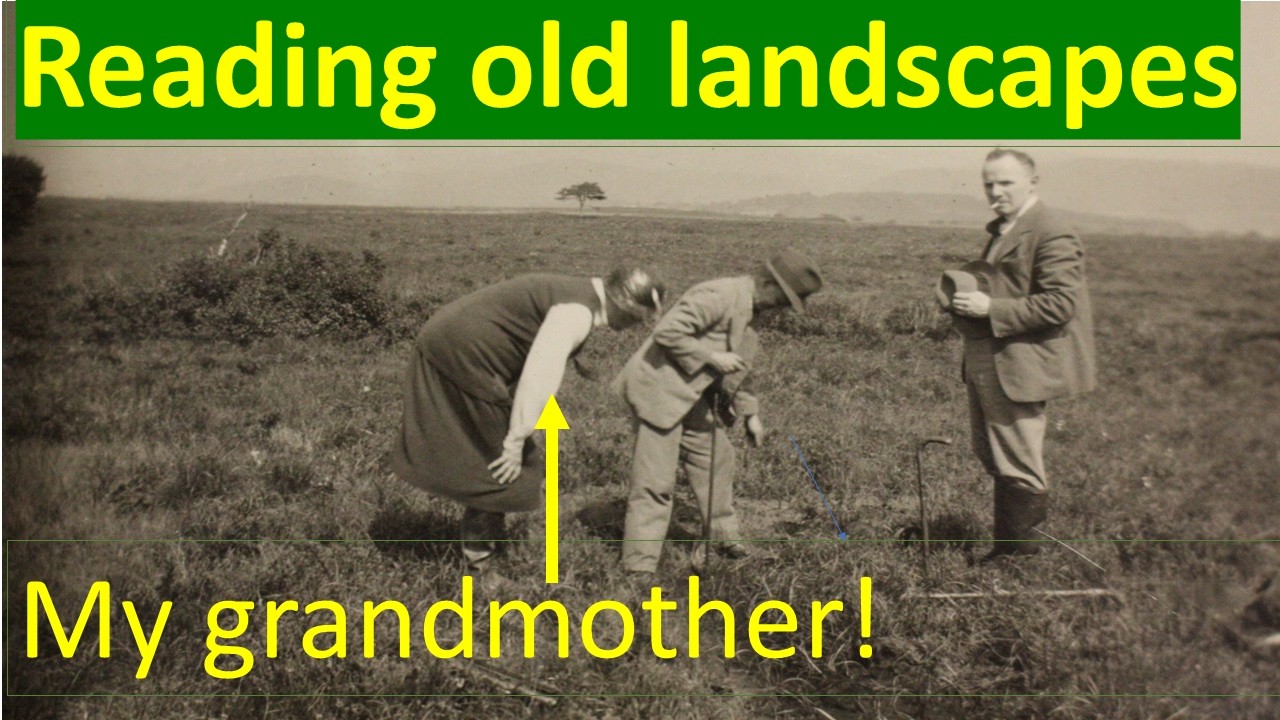
My Grandmother, Florence Nelly Cambell-James, cored this site in 1932 when she was a lectured in the Botany Department in Aberystwyth, when she was studying for a PhD.
Cambell-James moved from Brighton to Aberystwyth as one of the few universities to have accommodation for female undergraduates and one of the first to admit women. She became one of the first female science lecturers and a pioneer in doing a PhD but tragically died suddenly in 1936.
I am proud to have her as my grandmother and delighted that her pollen stratigraphy is still used
Filmed at Cors Fochno (Borth Bog) North Wales.
Julia Archer and Jonathan Davies kindly provided access to her materials in Aberystwyth Library.
Доступные форматы для скачивания:
Скачать видео mp4
-
Информация по загрузке: