Instrumentation Amplifier : Derivation and Explaination(English)
Автор: Learning Electronics
Загружено: 2020-10-13
Просмотров: 13997
Instrumentation amplifier
Definition:
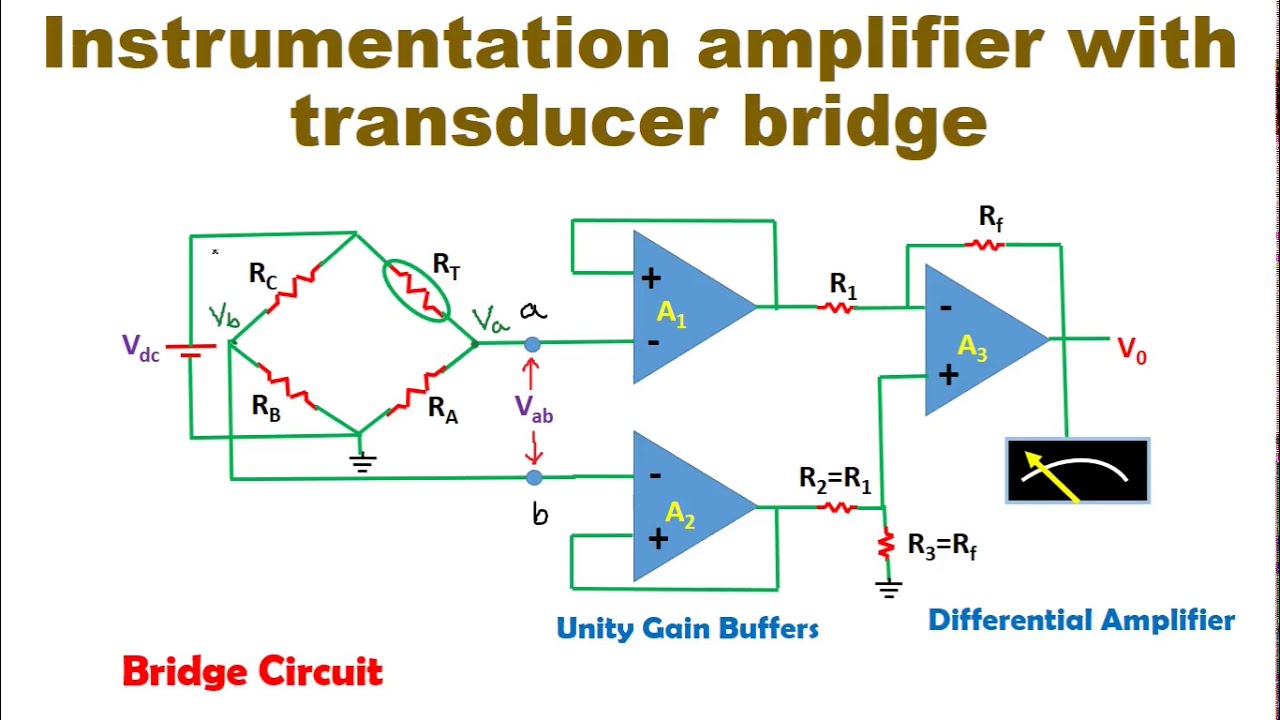
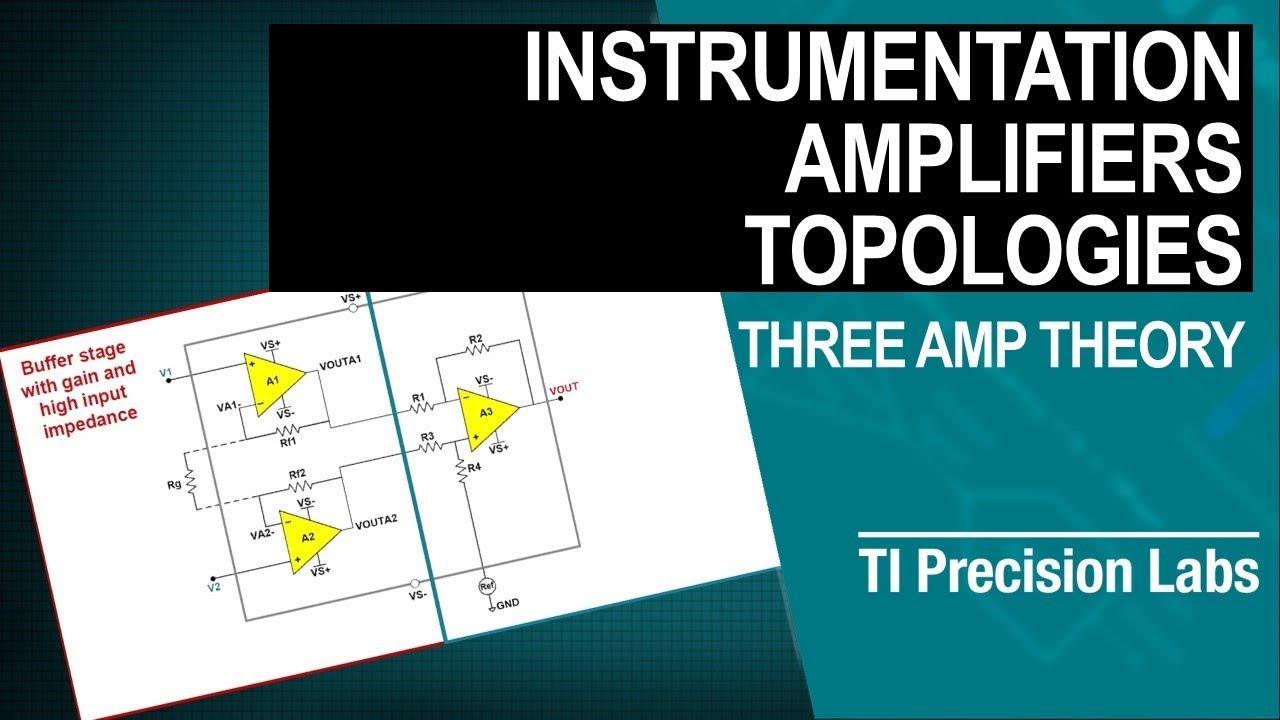
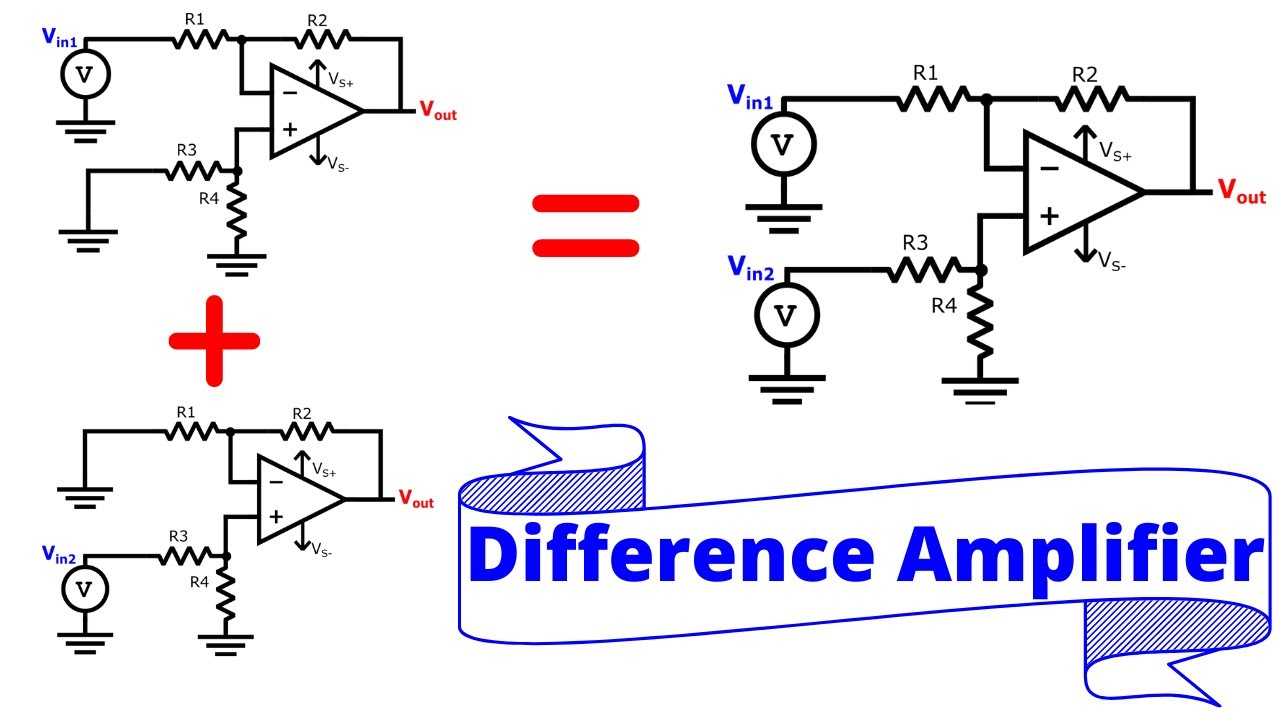
Instrumentation amplifier is basically a high gain difference amplifier with high input impedance that amplifies the low level output signal from transducer by rejecting noise and interference in the signal.
INTRODUCTION:
Many industrial systems, process control systems and consumer systems require precise measurement of physical quantities like temperature , pressure, humidity, weight, etc.
For example:
Sugar factory : flow, level, temperature of juice
Plastic furnace : Temperature
Diary plant : Temperature and humidity
Such physical quantities are converted into proportional electrical signal using transducer.
The most of the transducer outputs are low level signals and not able to drive next stage of system
Sometimes the transducer is placed far away from control room location and signal may be subjected to noise and atmospheric interference .
Hence to amplify the low level signal and reject noise and interference,
Instrumentation amplifier is used
It is also called as Data amplifier
Advantages of instrumentation amplifier:
Precise adjustment of gain is possible by Rg
Accurate adjustment of gain is possible by selecting low tolerance resistors
Input impedance is very high
Output impedance is very low
Due high CMRR , it has capacity to reject common mode signals
Applications of instrumentation amplifier:
Temperature controller
Temperature indicator
Light intensity meter
Analog weight scale

Доступные форматы для скачивания:
Скачать видео mp4
-
Информация по загрузке: