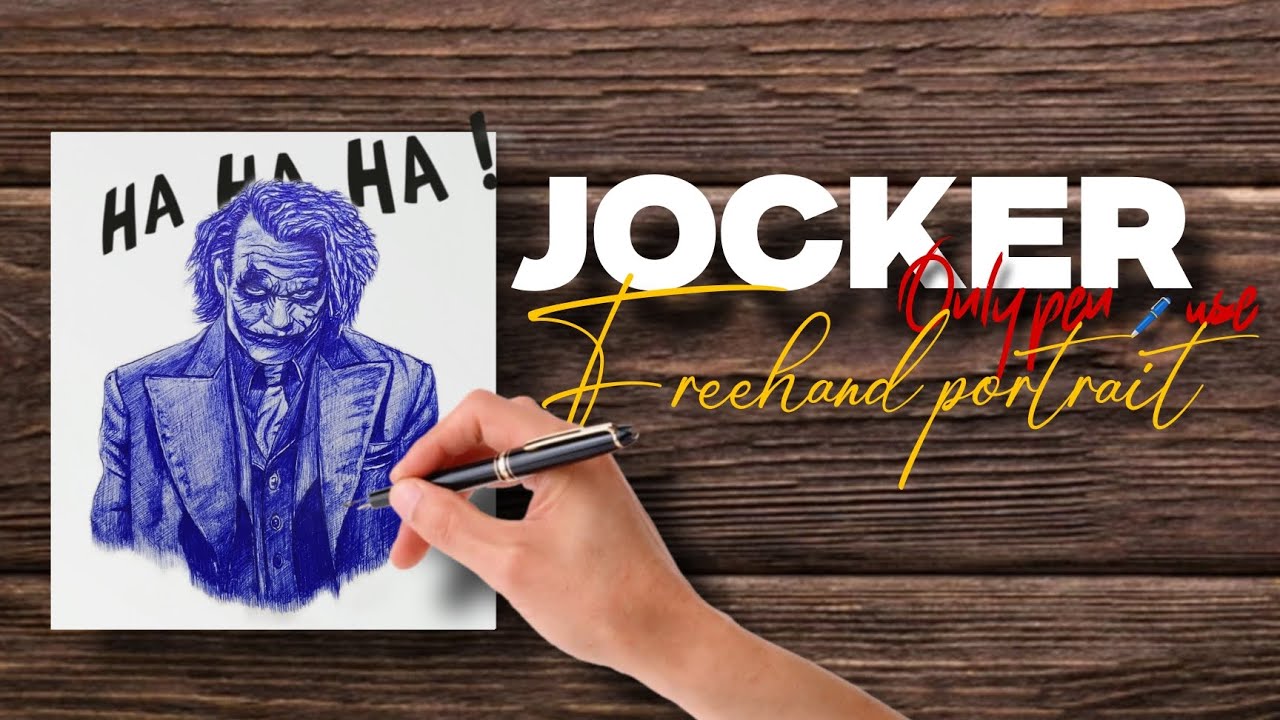
Hollywood❤actress💋joker 👑
Автор: Soniya Kardam
Загружено: 2025-06-18
Просмотров: 92
Elon🥰mask❤ panting #seckeh #ytstudio #love #elonmuskHollywood❤actress💋joker 👑 #joker #jokerattitude #attitude #shayari #vabby_shayari #statusSikh art, also known as the Sikh School[1], is the artwork created by or associated with Sikhs and Sikhism. Sikh artwork exists in many forms, such as miniature, oil, and watercolour paintings, murals, and wood carvings. The first Sikh artists were influenced by the Pahari and Mughal schools, however the ushering in of European influences during the colonial-age would transform Sikh art by adopting Western methods and tastes for artwork.
Terminology and categories
edit
In 19th century Punjab, there were two main types of artists: musawirs and naqqashas.[2] They worked independently of one another and focued on different spheres, with their styles, materials, and techniques differing from one another.[2]
Musawirs
edit
The Musawirs were painters who drew animated objects.[2] Some artists who specialized in this field were Kishan Singh and Chajju, Imam Bakhsh, and Mohammad Bakhsh.[2] The musawir artists relied on their own memory to reproduce an artistic depiction of someone.[2] One method they used was going out into the bazaars to observe people and then returning to their studio to paint the people they witnessed using their recollection.[2] Their works would be sold to patrons, displayed within havelis or religious sites, or be gifted to nobles and rulers as momentos.[2] Some of the figuratives depicted by them include Sikh nobility, saints, or commonfolk.[2]
Naqqash
edit
The word 'naqqash' is equivalent to the meaning of chitrakar, and means "decorator" or "illuminator" and refers to a painter or artist who specialized in decoration, illumination, calligraphy, and ornamentation work of addresses, letter-heads, nikah-namahs, idis, janam-patris, and related documents.[3][4][2] Naqqash artists were employed to illuminate Perso-Arabic manuscripts, ornamentation of addresses, letter heads, nikah-namahs (marriage certificates), idis, janam patris (horoscopes) and other kinds of records, and the embellishment of calligraphy.[3][4] It was common for illuminators to also be able to work as calligraphists.[2] The Sikh school of naqqash was initially influenced by Muslim and Vaishnavist Naqqash artists since the initial ones employed to work at the Harmandir Sahib complex during the beautification project by Ranjit Singh were of this background.[3] Some Naqqashi artists belonged to a familial lineage of artists whilst others had been trained specifically by an existing naqqashi master as a pupil.[4] There existed Naqqashi guilds and also ustad-shagird (teacher-disciple) groups.[4] Training Naqqashi pupils mastered their art by developing "... a vocabulary both through experience and imagination".[4] Guild supervisors or the master (in the case of a master-pupil grouping) would also offer suggestions to further beautify the end-result.[4] A Naqqashi artist's mastery of the art form depended upon the number of years he had been training and his own comprehension of forms, style, pattern, colour application.[4] A Naqqash's capacity to transform to physical art relied upon their grasp of literary sources, daily observations, and manual skills to showcase the language of visual art.[4]
Доступные форматы для скачивания:
Скачать видео mp4
-
Информация по загрузке: