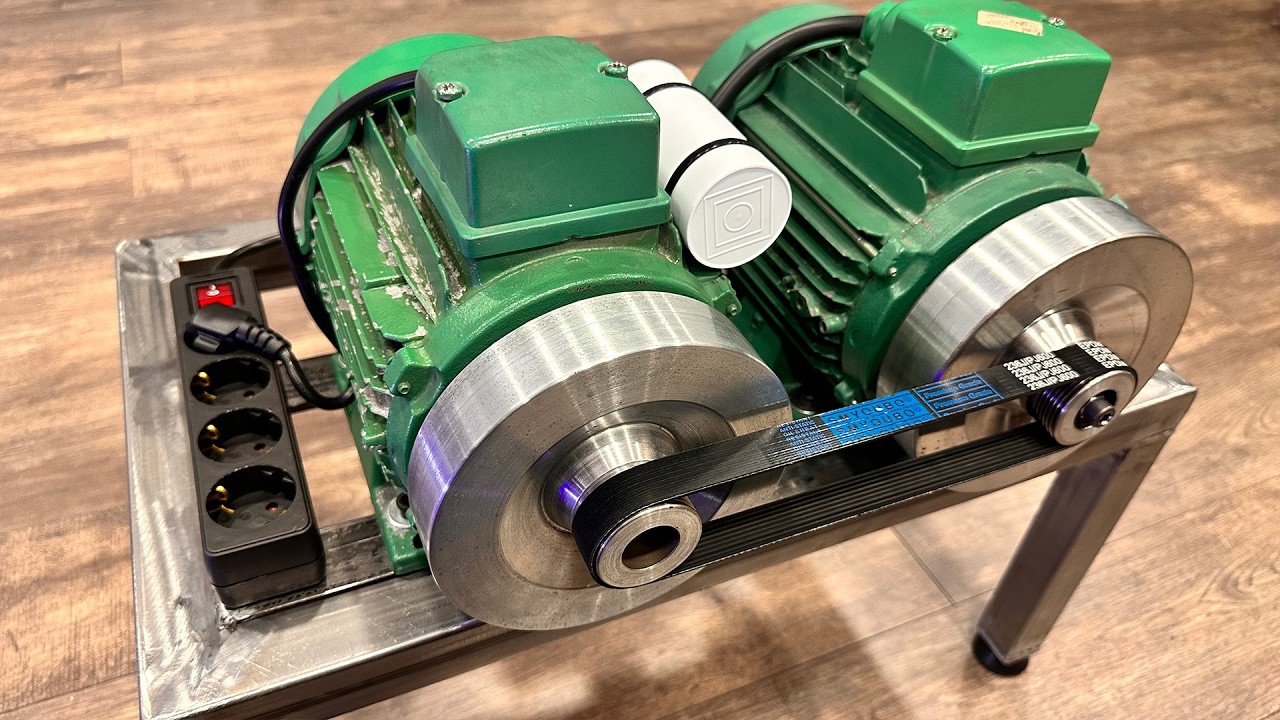
Electric Motor Repair Overview
Автор: Laser Technologies Inc.
Загружено: 2022-09-23
Просмотров: 1297
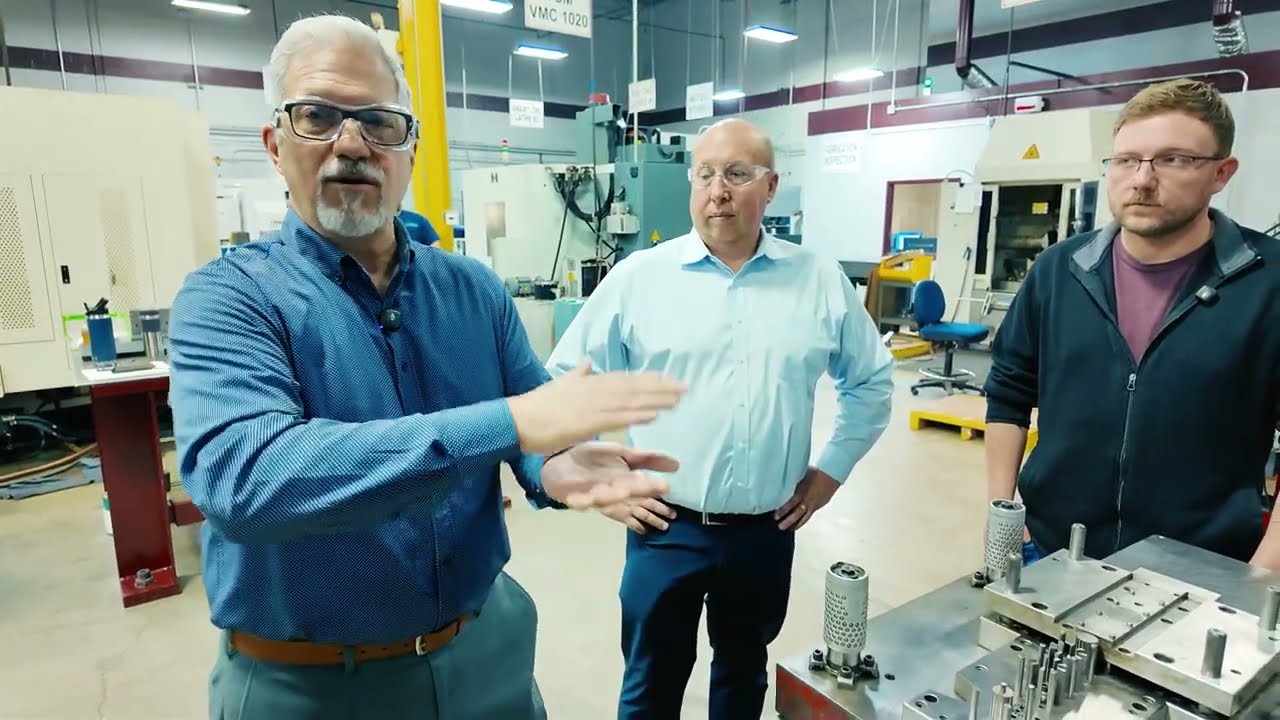
Laser Technologies has optimized the electric motor repair process from raw material sourcing to quality control and every step in-between. Efficiency is critical to our business and yours–the key to winning or losing the order comes down to one thing: how quickly can you turn around the repair?
Specialists in Lamination - How We Do It
The lamination process can meet both high and low-capacity needs. Here is just a sampling of what can be created with a custom lamination process:
rotors & stators for electrical motors
magnetic cores
transformer cores
1. Supplying the Raw Materials
After raw materials are acquired, they are stored in-house for quick access by engineers. In addition, materials made of various alloys and coatings are kept on hand for any incoming orders. For those special orders, a service center network provides expedited access to materials customers may need.
I-beams are another critical material for creating lamination coils. So, keeping a supply of i-beams for vent plates and assemblies in many sizes and configurations is a big help in turning around motor parts in days, not months.
2. Investment in Specialized Engineering
Staffing is essential to streamlining the manufacturing process and leveraging the most updated technologies that allow laminations to get to our customers quickly. The engineering staff at Laser Technologies are experts in their craft.
3. Sustainable Material Cutting
“Sustainability” is a word thrown around often, but what does it mean? Sustainable practices in the manufacturing process mean saving on materials and implementing procedures that economically utilize our resources. For example, our custom cutting and lamination process lowers product waste, and we pass that savings onto you.
By placing our raw material on an arbor and feeding it through a leveler, the material can be cut to the proper length, resulting in higher yields and less waste. From there, the material is stacked and moved to the laser cutting area.
4. Core Plate Coating
After processing, C5 plate coating is then applied to the lamination. This process is especially relevant for large motors, large generators, and critical motor applications (e.g., nuclear power). For both stamped and laser processes, burrs are created as a byproduct and must be removed. In addition, thin layers of insulation that were removed during cutting will require re-coating. Three to four microns of C5 coating goes a long way in alleviating current losses, and this step finalizes the product before it moves onto the next step (stacking and welding) or to receive a quality check before shipping.
5. Quality is Key
Our ISO 9001:2015 certified shop is outfitted with two coordinate-measuring machines that precisely measure in-process and final assembly. These critical quality checkpoints ensure that when our components get to your shop, you have what you need to get your customers’ machines back up and running.
Looking to the Future
As demand increases over time, the goal is to run jobs every day, 24 hours per day. This means investing in technologies that allow for continuous work with minimal oversight. Full automation is the future of electric motor repair. Fewer interruptions and more run time will increase production and repeatability.

Доступные форматы для скачивания:
Скачать видео mp4
-
Информация по загрузке: