Experience Versus Statistics: Planning Water Flow on a Small Farm - Part 2
Автор: Suerte del Molino Farm / LooseNatural philosophy
Загружено: 2026-01-25
Просмотров: 831
Viewers are invited to step into the mental landscape of a small off-grid farm in inland south-west Andalusia where water is never neutral. It is either absent for months or arrives with sudden force carried by heat hardened soils and strong Atlantic winds. In such a place the way the human mind understands rain matters as much as the structures built to manage it.
An inexperienced mind tends to see water in simple extremes. Too much rain is imagined as constant flooding and too little as permanent drought. Planning for the future under these assumptions often leads to rigid thinking either defensive or overly optimistic. Without lived experience the mind struggles to hold contradiction. It plans for a single outcome and is surprised when reality behaves differently.
Experience changes this completely. A farmer who has watched the same slopes over many seasons begins to understand timing intensity and sequence. Rain is no longer a quantity but a pattern. A dry year can still destroy a crop if rain falls at the wrong moment. A wet year can still fail to recharge soils if water runs off too quickly. Experience allows the mind to think in ranges and probabilities rather than absolutes and to accept uncertainty without paralysis.
Engineers are trained to formalise this process. They rely on long data sets to describe risk using concepts such as the 100 year flood or the 100 year drought. These terms do not mean events that happen once a century. They describe probabilities calculated from historical records. A 100 year flood is an event with a one percent chance of occurring in any given year. The concept emerged from the need to design bridges dams and urban infrastructure that must survive rare but damaging extremes without becoming impossibly expensive.
On a small five hectare farm this logic cannot be applied blindly. There is rarely a local weather record long enough to be meaningful. Climate instability makes historic averages less reliable. Most importantly the farmer does not have the budget of a state authority. Overbuilding for theoretical extremes can drain resources that would be better spent increasing resilience across the whole system.
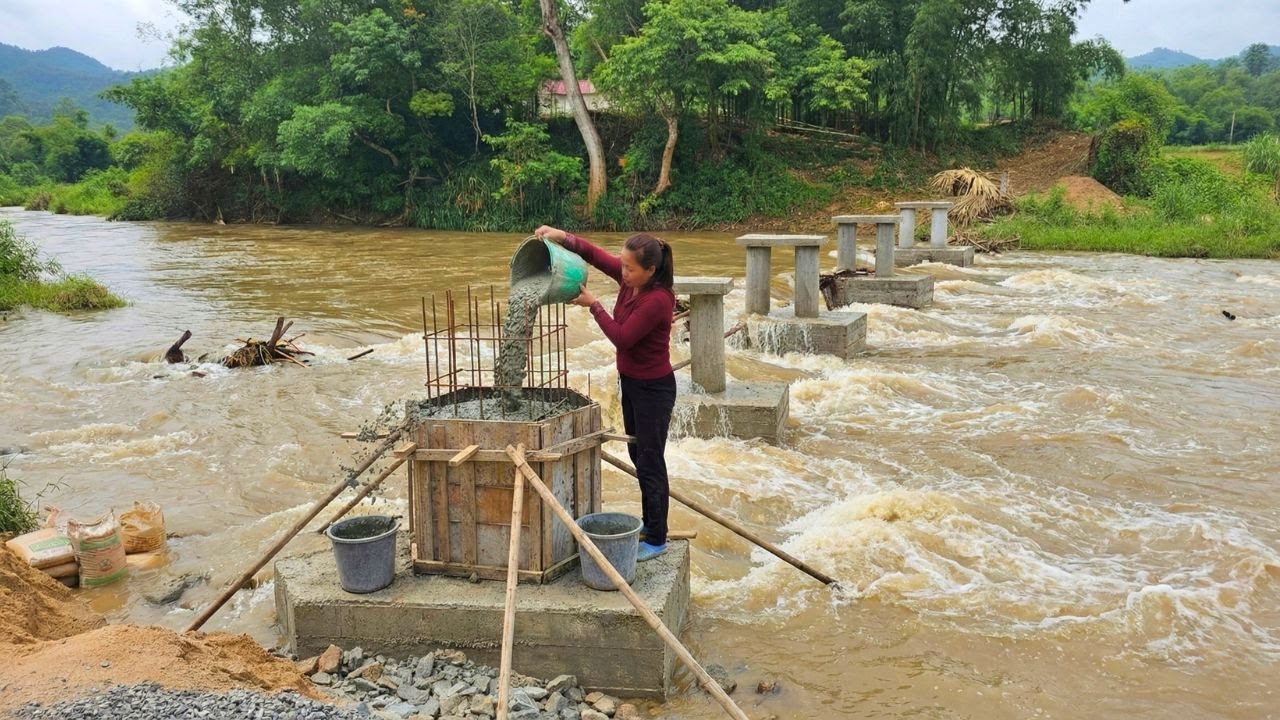
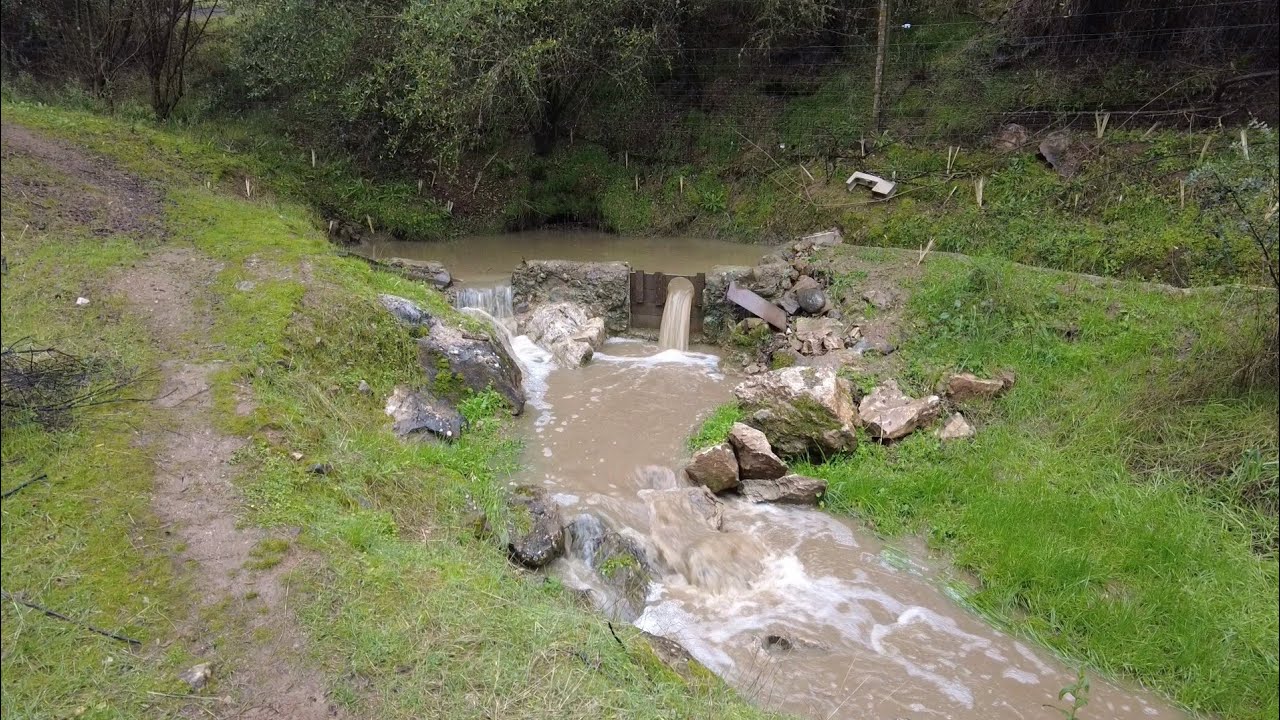
Instead the approach taken here is hybrid. Experience sets the baseline. Years of observation have shown how water moves across clay soils shaped into swales and berms. They have revealed where wind strips moisture and where humidity lingers. Check dams and weirs have been placed where flows concentrate not where a map suggests they might. These structures are sized to cope with the worst events seen so far and then designed so they can fail gently rather than catastrophically.
Permaculture and agroecology provide the framework. Rather than trying to control water absolutely the system slows spreads and sinks it. Overflow paths are intentional. Redundancy is valued. Many small interventions replace a single large one. Trees are planted to build microclimate and soil structure over decades accepting that not every year will be favourable.
This way of planning accepts that the future cannot be fully known. It respects engineering principles without being dominated by them. It uses lived experience as data and observation as a continuous process. For small farmers in Mediterranean climates this mindset is often more powerful than any formula. Water planning becomes an evolving conversation with the land rather than a fixed solution imposed upon it.
#MediterraneanFarming
#AndalusiaPermaculture
#WaterHarvesting
#SwalesAndWeirs
#Agroforestry
#DrylandFarming
#ClimateResilience
#SmallFarmDesign
#RegenerativeAgriculture
#OffGridLiving
#SoilAndWater
#Agroecology
#LandscapeHydrology
#SuerteDelMolino
#MediterraneanClimate
Доступные форматы для скачивания:
Скачать видео mp4
-
Информация по загрузке: