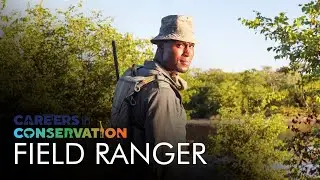
SAfrica trains local rangers to combat poaching
Автор: AP Archive
Загружено: 2016-11-16
Просмотров: 4833
(4 Oct 2016) At the Southern African Wildlife College (SAWC) on the edge of the Greater Kruger National Park, a new government-funded job programme is training 119 "historically disadvantaged" young men and women to become field rangers and guides to help stop the scourge of poaching.
The unemployment rates in the South African provinces of Mpumalanga and Limpopo are 29 and 18 percent respectively, making poaching an appealing prospect for some of those living near the game reserves.
It has led to hundreds of rhinos and elephants in Kruger being killed in the in the last year alone, as authorities struggle to stay on top of poaching in an area larger than Israel.
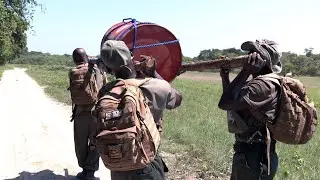
Aspiring anti-poaching field rangers at the SAWC undergo a year of intensive training before they're put on the frontline in the "war on poaching."
Many of the SAWC instructors have a military background, which they incorporate into their approach.
SAWC programme manager Marianne de Kock says there is a "rigorous process" to selecting field rangers, as it is important to choose candidates who have the "heart and the passion for conservation."
While the programme gives students a financial incentive to protect wildlife, it is also hoped they will educate their communities about the importance of conservation and the scope of poaching.
One of the 28 women in the programme, Dzunisani Ndhlovu, said there are "too many poachers" in her home community who don't know the importance of wildlife, and she called the job of park ranger very challenging.
Candidates must first pass a week-long, military-style selection course that includes not being allowed to sleep more than two hours at a time.
By day three, people start to drop out, leaving only the most committed candidates.
The trainers have learned to spot signs of determination, such as the hopefuls who arrived in borrowed sneakers a size or more too small.
Those who are selected are taught how to track, shoot, navigate and live in the bush, sometimes lying camouflaged in the grass for days at a time.
They drill on a bare parade ground and sleep dormitory-style in tents without electricity.
As new rangers, the graduates will earn about 6,500 rand (475 US dollars) a month.
The SAWC hopes that the field rangers can take their knowledge and practical skills back to their home communities and help to educated the people there.
Student Stanley Mampi says many people lack an understanding of the importance of the park's wild animals, and therefore become complicit in poaching and, ultimately, in hastening the extinction of certain species.
"The difference between a poacher and an anti-poaching ranger is the mind," says wildlife drill and fitness instructor Barend Visser.
"We are working in the same bushes, we are with the same animals, we are using the same skills, we are breathing the same air. If a person is consumed by money, he will become a poacher. If an anti-poaching ranger is passionate about the bush, you will not get him to change his mind," Visser adds.
Find out more about AP Archive: http://www.aparchive.com/HowWeWork
Twitter: / ap_archive
Facebook: / aparchives
Instagram: / apnews
You can license this story through AP Archive: http://www.aparchive.com/metadata/you...

Доступные форматы для скачивания:
Скачать видео mp4
-
Информация по загрузке: