Stravinsky / Apollo (Ballet in Two Scenes)
Автор: scrymgeour34
Загружено: 2012-01-02
Просмотров: 84359
Igor Stravinsky (1882-1971)
Apollo (Apollon musagète) (1928)
00:00 - Prologue: The Birth of Apollo
04:02 - Apollo's Variation
07:02 - Pas d'action: Apollo and the Muses
11:21 - Variation of Calliope
12:42 - Variation of Polymnia
13:58 - Variation of Terpsichore
15:29 - Variation of Apollo
17:34 - Pas de deux: Apollo and Terpischore
21:40 - Coda: Apollo and the Muses
25:03 - Apotheosis: Apollo and the Muses
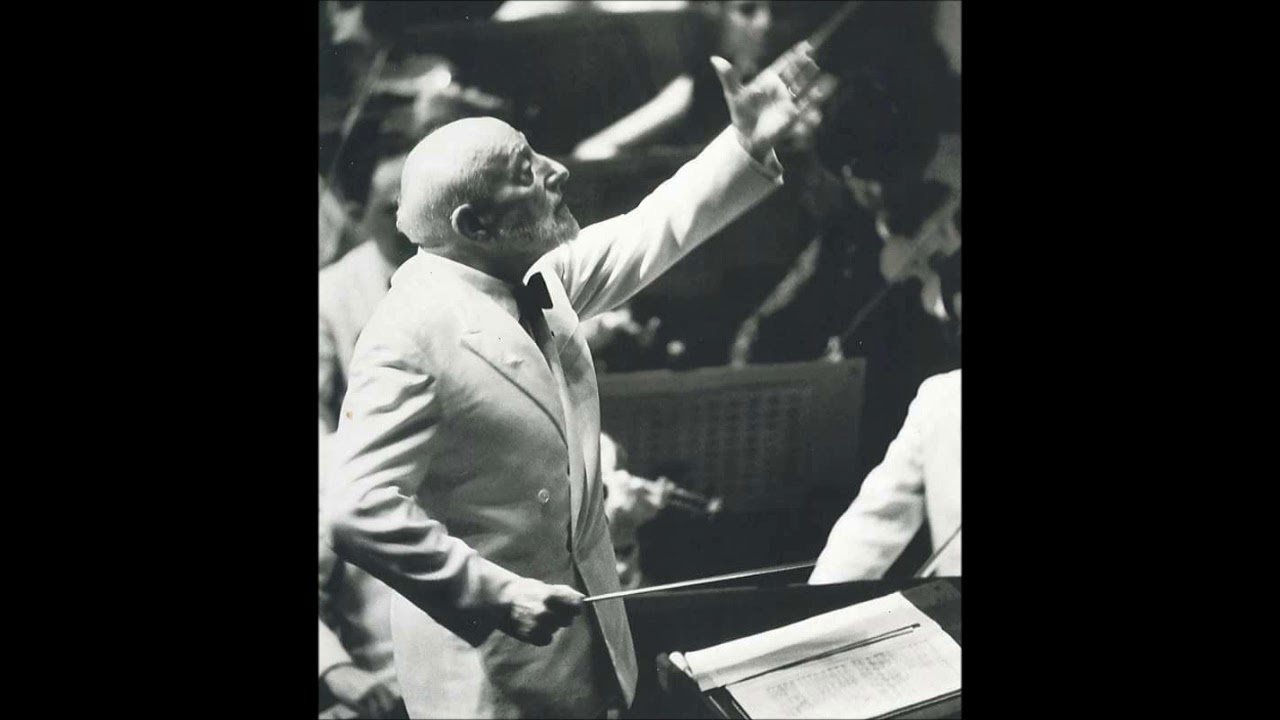
Performed by the London Symphony Orchestra under the direction of Robert Craft. Recorded at Abbey Road Studios, London, in 1995.
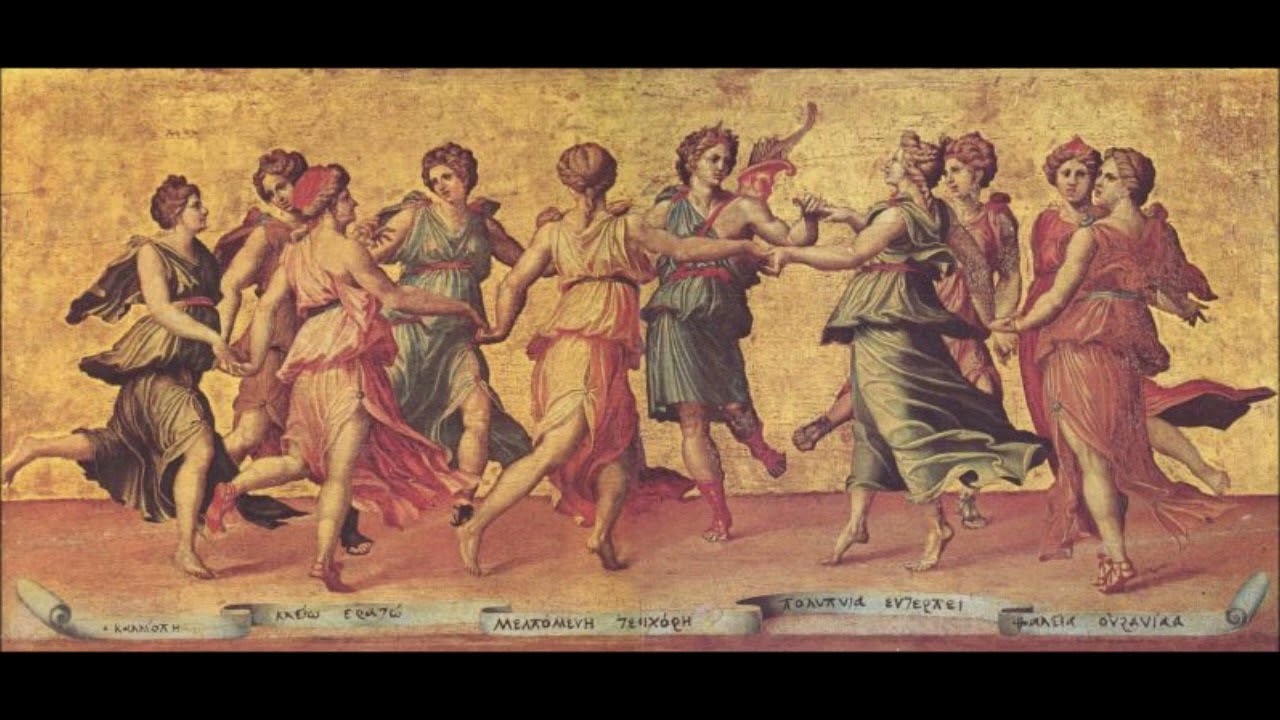
"Apollo, the sun-god and god of music, is associated with the Oriental sacred number seven, which corresponds to the diatonic mode that the composer seems to have had in mind from [the ballet's genesis]. Apollo is Stravinsky's homage to the Greek concept of the unity of music, dance, painting, and poetry, but by way of seventeenth-century French classicism--Racine, Arbeau, Poussin, Lully.
"It is also probable that Stravinsky viewed the subject as an allegory of his own religion: Apollo, as man-god, with a human nativity and divine ascension. Arlene Croce observes that, like Apollo, 'The Christ child was wrapped in swaddling clothes', and Stravinsky may have been struck by such other parallels as the 'threes' of the Muses, the Magi, and triadic harmony, as well as by the imagery of the darkness before Apollo's entrance and the light that accompanies it.
"The composer is the author of the scenario. On 4th January, 1928, he informed his Paris publisher that the music was ready to be copied but not the scenario, which, 'as I envision it, requires mature reflection'. The manuscript score of the first scene includes Stravinsky's curtain, lighting, exit and entrance cues, as well as some indications for the coordination of music and stage action.
"The music for the Prologue, the Birth of Apollo, Apollo's First Variation, and the Pas d'action was composed in Nice between mid-July and mid-September 1927. On 28th September Stravinsky played his piano arrangement of these pieces for Dyagilev, who described the occasion in a letter to Serge Lifar two days later: 'I spent the whole day with him, and at five saw him off at the station...After lunch he played the first half of the new ballet for me. It is, of course, an amazing work, extraordinarily calm and with greater clarity than anything he has done: filigree counterpoint around transparent, clear-cut themes, all in a major key, music not of this world, but from somewhere above...'
"The full score was completed on 20th January, 1928, and on 22nd January he played it for Dyagilev and George Balanchine...The ending of Apollo is tragic. Robert Garis insightfully remarks: 'When Apollo and the Muses leave, they leave us behind in our mortality. This most poignant movement in the ballet is the only one in a minor key.' " - Robert Craft
Доступные форматы для скачивания:
Скачать видео mp4
-
Информация по загрузке: