From Defense to Nutrition! The Complete Story of Leeks
Автор: MADUMA
Загружено: 2026-01-14
Просмотров: 4
We throw them away without a second thought. But what if the dark green leaves of a leek are its most fascinating part?
This is more than a cooking tip; it's a journey into plant biology, chemistry, and smart nutrition that will change how you see this humble vegetable forever.
If your mind is blown by what's inside a simple leek leaf, imagine what we could discover next!
SUBSCRIBE and hit the bell icon so you don't miss our next deep-dive into the hidden science of everyday things.
LET'S DISCUSS! What other "kitchen scraps" or common plants should we investigate? Tell us in the COMMENTS below!
If you enjoyed this complete story, please give this video a THUMBS UP it really helps the channel grow and allows us to make more content like this!
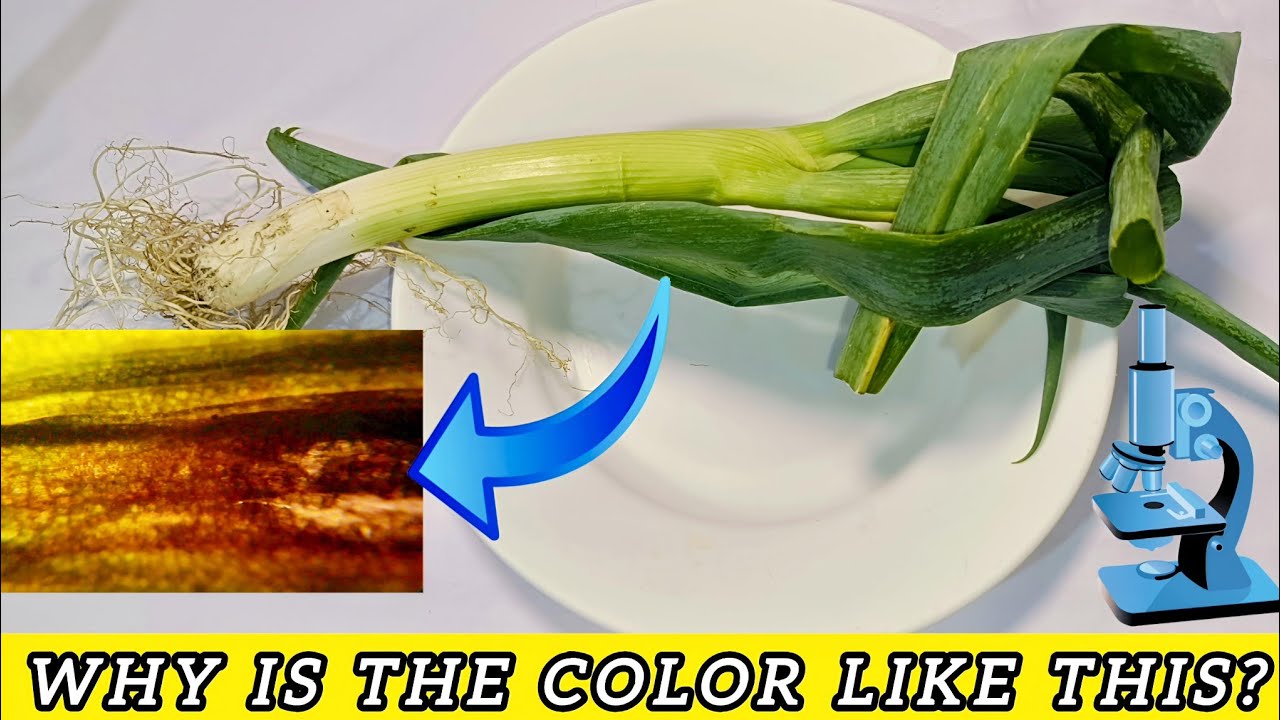
Here is a detailed explanation focusing on the dark green leaves of the leek observing under the microscope.
1. The Pipe-Like Structure and Its Function :
What i'm observing under the microscope the large, pipe-like or hollow appearance when the leaf tip is cut in cross-section is a key anatomical feature. This is not a solid tissue but a structure formed by leaf sheaths.
In plants like leeks (and other alliums such as garlic and onions), the leaf base does not form a flat blade immediately. Instead, it wraps around the inner, younger leaves to form a cylindrical sheath. When you cut across, you see the open space within this sheath or the air space between tightly packed sheaths. Their primary functions are:
· Structural Support: This cylindrical, layered sheath structure provides remarkable strength and rigidity, allowing the leek to grow tall and upright without a woody stem.
· Protected Growth: The sheaths form a protective column around the tender, developing inner leaves and the apical bud (the growing tip of the plant), shielding them from physical damage and pests.
· Efficient Resource Management: This bundled growth is an efficient way to produce a large amount of photosynthetic tissue (the green blade) from a compact base.
2. Overall Function of the Dark Green Leaves for the Leek
While the prized white and light green part is a storage organ, the dark green leaves are the primary photosynthetic engines of the plant. Their main functions are:
· Photosynthesis: They contain abundant chlorophyll and have a large surface area to capture sunlight and convert carbon dioxide and water into sugars (energy) for growth.
· Transport: The vascular bundles (the "veins" you can see) within these leaves transport water, nutrients, and the sugars produced by photosynthesis to and from all parts of the plant.
3. Origin of the Characteristic Aroma
The distinct aroma released when you cut the leaves is a brilliant plant defense mechanism. It originates from a cascade of enzymatic reactions:
1. Intact leek cells contain stable, odorless amino acid derivatives called S-alk(en)yl cysteine sulphoxides.
2. When you cut, crush, or chew the leaf, you rupture the cells, mixing these compounds with an enzyme called alliinase.
3. Alliinase rapidly breaks them down, producing volatile organosulfur compounds—mainly sulfides and thiosulfinates.
4. These volatile sulfur compounds instantly vaporize into the air, creating that pungent, savory, and characteristic "allium" aroma. It's essentially the plant's chemical alarm system.
4. Nutritional Content and Health Benefits for Humans
The dark green leaves are a concentrated source of several nutrients, often in higher amounts than the white portion. Key contents and their benefits include:
· Vitamin K: Extremely abundant. It is essential for blood clotting and, crucially, for activating proteins that guide calcium into bones, supporting bone health.
· Vitamin A (as Beta-Carotene): A precursor to vitamin A, vital for immune function, vision, and skin health.
· Antioxidants (Flavonoids & Carotenoids): Rich in antioxidants like kaempferol and lutein. These compounds help neutralize harmful free radicals in the body, reducing oxidative stress and chronic inflammation, which are linked to various diseases.
· Fiber: Provides insoluble fiber, which adds bulk to stool and supports digestive health by promoting regular bowel movements and acting as a prebiotic (food for beneficial gut bacteria).
· Folate (Vitamin B9): Important for cell division, DNA synthesis, and is particularly crucial during pregnancy for fetal development.
· Chlorophyll: While its direct human benefit is debated, it is a marker for a dense concentration of plant-based nutrients.
5. Recommended Cooking Methods
· Best Method: Long, Slow Simmering in Broths and Stocks.
· Excellent Method: Braising or Stewing.
· Good Method: Sautéing or Frying.
· Creative Method: Dehydrating and Blending.
#Leeks #FoodScience #ZeroWasteKitchen #PlantBiology #Nutrition #CookingHacks #Microscopy #KitchenScience #EatYourGreens #SustainableCooking #ScienceIsCool #HomeCook #VegetableGardening #DeepDive
Доступные форматы для скачивания:
Скачать видео mp4
-
Информация по загрузке: