Do I Have Childhood Trauma?
Автор: Leah Theobald
Загружено: 2020-09-17
Просмотров: 578
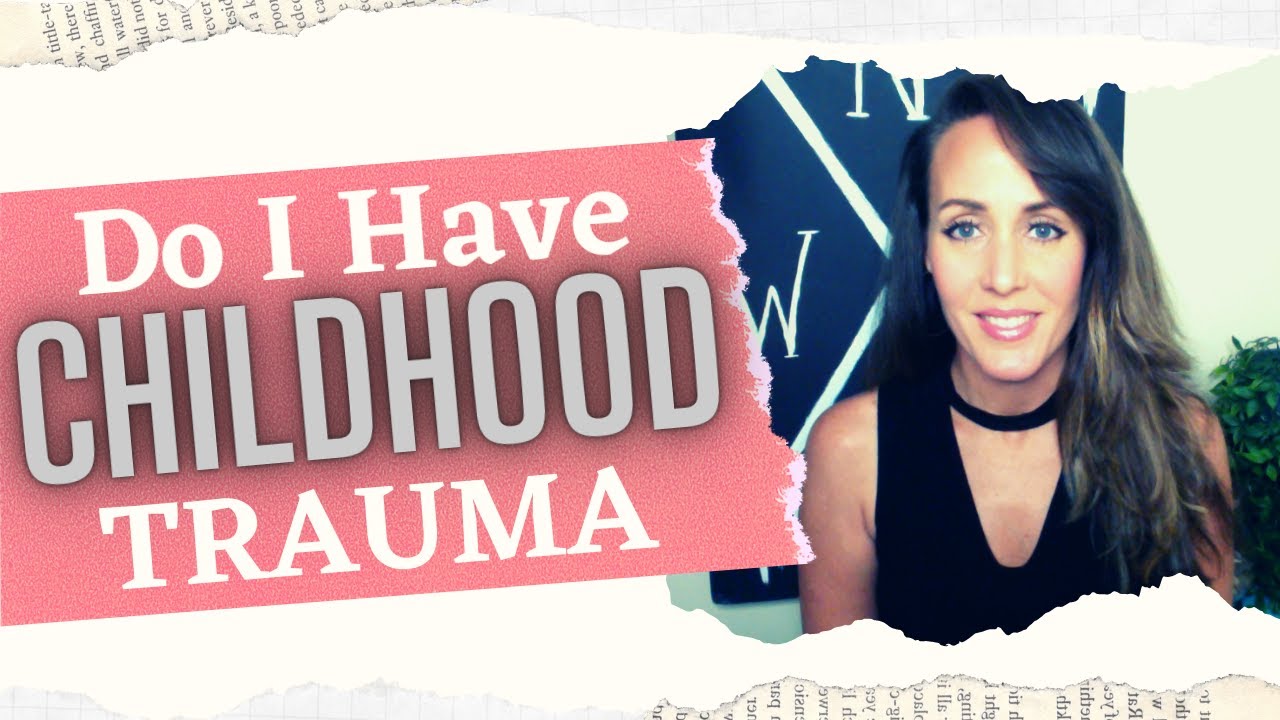
Do I Have Childhood Trauma? How do you know or tell if you have childhood trauma? It isn't an event itself that determines whether something is traumatizing or not. It’s how the person emotionally experiences the event. If an event makes a person feel helpless, disconnected and or frightened at the time it occurs, it creates trauma. Trauma is based on how we processed an adverse event when it occurred. How we emotionally perceived the event at the time it happened, is what determines whether we were traumatized by it or not. Why are some people affected by childhood trauma and others aren’t? Why do some people seem to move past the negative things that happened to them so long ago, and others remain emotionally arrested? Several factors that determine this are: how nurturing and supportive your caregivers were, how often you experienced traumas and the nature and degree of trauma.
//KEEP WATCHING//
Compounding Effects Caused By Childhood Wounds (ACEs Pyramid)
https://bit.ly/YouTubeEps12
Self-Help Recovery
https://bit.ly/YouTubeEp7
I Don't Want Therapy
https://bit.ly/YouTubeE18
Adverse Childhood Experiences Explained
https://bit.ly/ACESE2
Adult Adaptations from Childhood Trauma
https://bit.ly/YouTubeE10
Understanding Self-Regulation
https://bit.ly/youtubeEp8
//RECOMMENDED RESOURCES//
Maladaptive Behavior Checklist:
http://sahmacademy.com/maladaptive-tr...
Free "Childhood Emotional Neglect" Quiz:
https://bit.ly/CENQuiz
FIND A TRAUMA INFORMED THERAPIST:
https://bit.ly/TraumaInformedTherapy
OR https://bit.ly/traumainformedtherapist
FREE Ace Test:
http://bit.ly/freeacetest
ACEs Pyramid of Lifelong Effects:
http://sahmacademy.com/aces-pyramid-o...
I Don't WANT a Therapist | 90 Day Companion Guide
https://bit.ly/90DayCompanionGuide
Print-Out Polyvagal Ladder Chart:
https://bit.ly/PolyvagalLadderChart
To sign up for THIS WEEK'S GIVEAWAY:
Message the words "CHILDHOODTRAUMA" to
https://bit.ly/ThisWeeksGiveaway
I'd love to connect with you on Social Media!
Please say hi on FB: @ThizizLA / thizizla
Follow on Instagram: @SAHMAcademy
Visit my website: https://SAHMAcademy.com
How do you know or tell if you have childhood trauma?
ACEs or Adverse Childhood Experiences are the negative things that happened to or around us during our developmental years. Things like Emotional neglect, physical or sexual abuse, violence in the home, mental illness of a caregiver, etc. There are ten listed on the official ACE test, which was created by the Kaiser Institute in the 90’s, but it only includes the ten most common adverse experiences. There are many more. And sadly, most ACEs happen to a child before the age of three, according to studies done since the ACE test was created. ACEs repeatedly trigger a child's fight-or-flight stress response. This occurs because emotions associated with coping with ACEs, like anger, fear, frustration, shame, humiliation, anxiety, for example, keep triggering the fight-or-flight stress response.
As the child grows up, they often begin to develop social, emotional and cognitive impairments; some are mild, below the radar, and others are severe.
The child develops coping mechanisms, or adaptations, to survive his or her environment. And unfortunately, these adaptations are most often brought into adulthood and remain until a person goes through trauma recovery.
Addiction is not a disease or genetic tendency that strikes us; it’s a coping mechanism that tends to run in families or societies (again, not genetically, but environmentally).
Addiction is merely pain relief. Stigmatized pain relief, but pain relief all the same. A shopaholic and workaholic are trying to excite and release the same brain chemicals as a substance user, as a way of avoiding pain, underlying feelings that seem too difficult to tolerate in that moment.
I do NOT own all images used in video. For proper credit or removal, DM me and I will make adjustments ASAP.
Доступные форматы для скачивания:
Скачать видео mp4
-
Информация по загрузке: