Laser Cleaning a Bust of Theodore Roosevelt
Автор: The USAHEC
Загружено: 2019-12-10
Просмотров: 29304
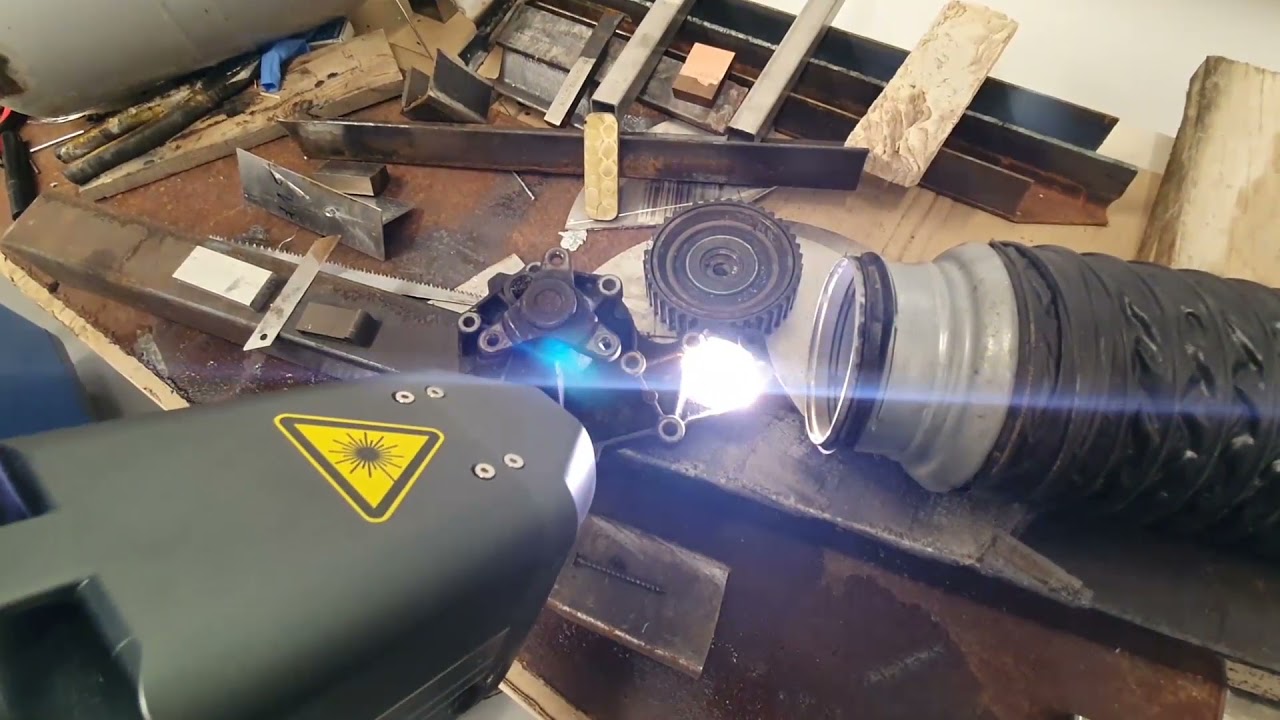
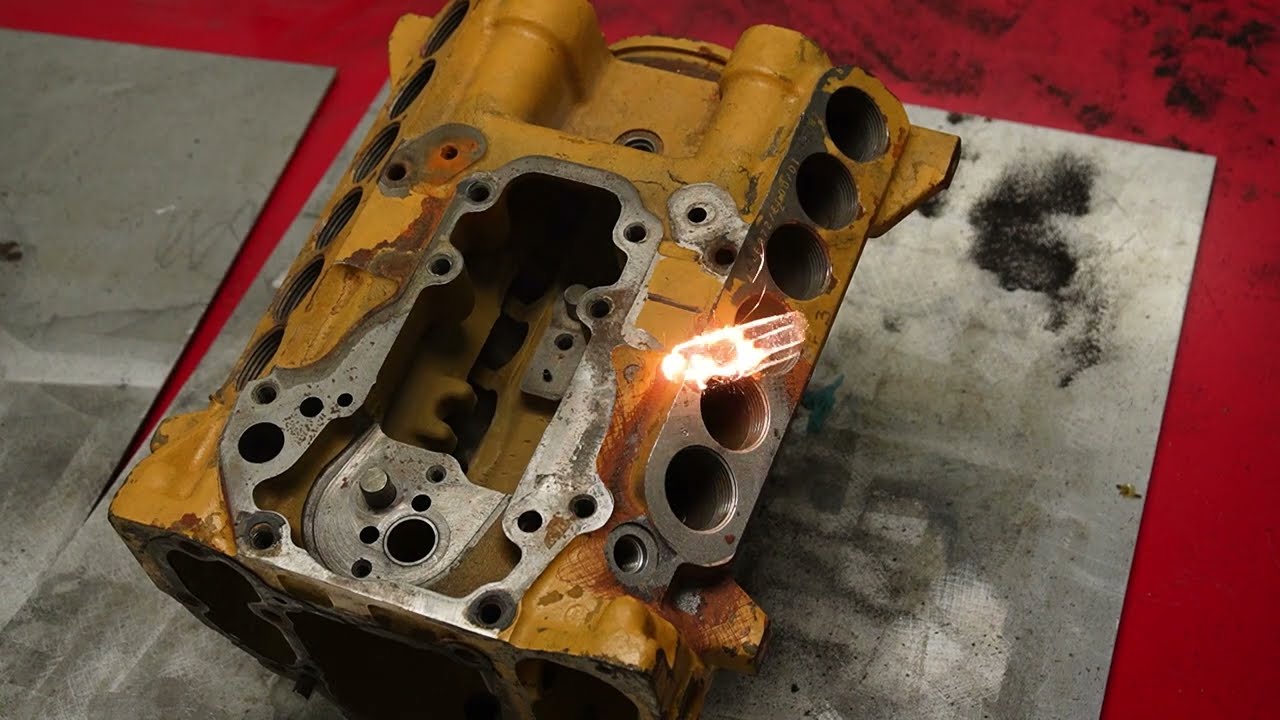
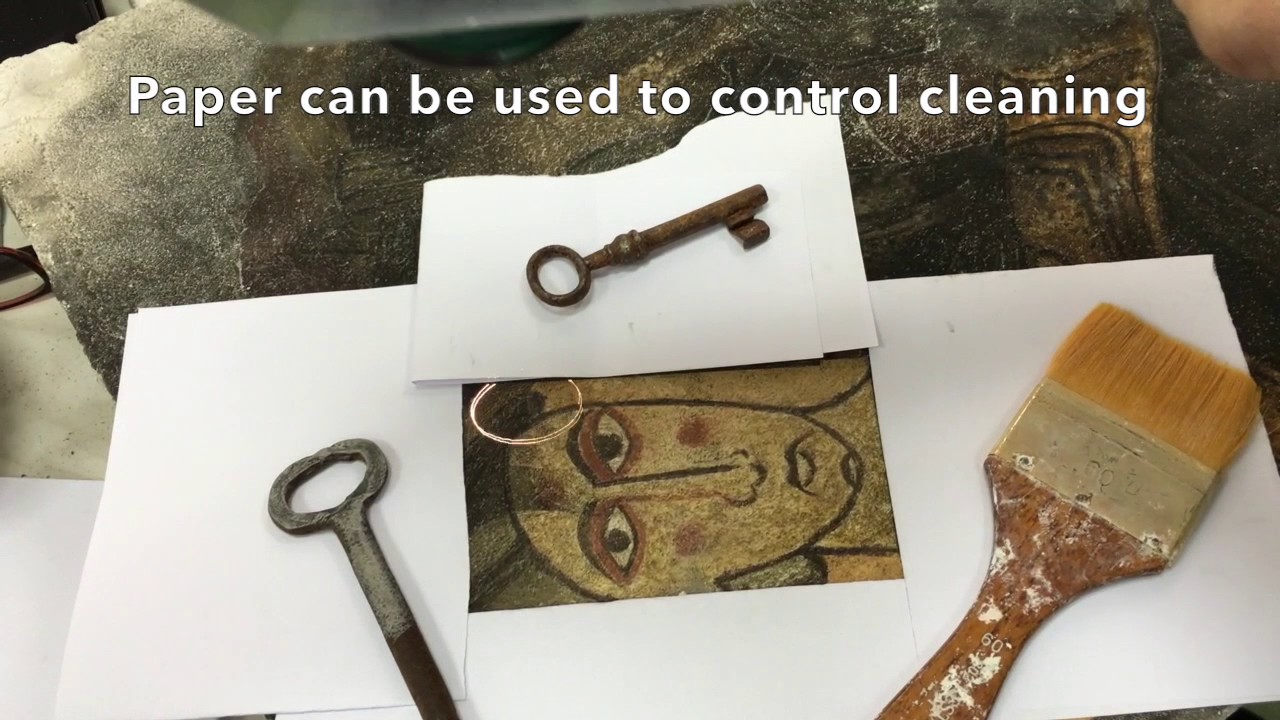
The conservation laser gives conservators the ability to “blast” away the surface soiling covering Teddy in a fraction of the time. Nd:Yag lasers use 1064nm wavelength light to cut through the dirt coating. The laser beam uses light energy to excite the carbon in the surface soiling. The excited carbon atoms break up the surface soiling, turning it to dust, which is carried away by a fume extractor. The laser USAHEC purchased has the added bonus of a rotating circular beam. This beam not only cleans without creating over cleaned areas at the end of the beam path, called “hot spots”, but also adjusts itself to the shape of the object being cleaned. This allows us to easily clean areas such as Teddy’s bushy mustache and ears without stopping to change angles.
Like all conservation treatments, laser cleaning is not foolproof. Before starting on Teddy, testing was done to determine the energy level which would break up the surface soiling but not damage the underlying bronze. When cleaning bronze with a laser we clean to the cuprite layer. Cuprite is the layer of corrosion just above the bare bronze. Removing the cuprite layer would expose the bare metal to the environment causing further corrosion. By keeping the existing cuprite layer we reduce further metal loss through corrosion.
After laser cleaning, Teddy looks a little bit purple. This purple iridescence is a result of the angle of light refraction off the cuprite. We are able to eliminate this effect by applying a thin barrier of micro-crystalline wax. This wax not only changes the incidence of refraction, eliminating the purple look, but it also serves as a protective layer against the ravages of the environment.

Доступные форматы для скачивания:
Скачать видео mp4
-
Информация по загрузке:

![500W laser cleaning extremely dirty statues [satisfying 4K video]](https://imager.clipsaver.ru/q97dnboicBY/max.jpg)