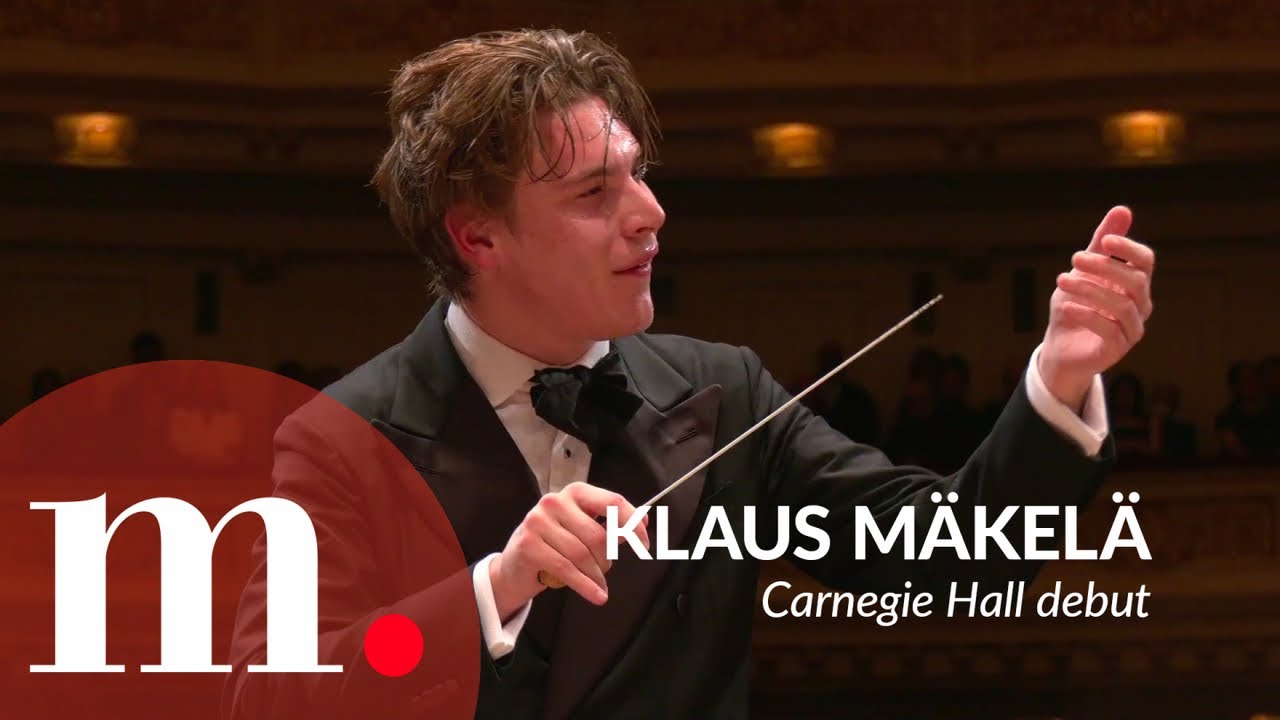
1/6 Kurt Masur - Prokofiev: Romeo & Juliet - 4 Scenes / New York Philharmonic / Jan 03, 2000
Автор: Marlin Owen
Загружено: 2026-01-25
Просмотров: 24
Prokofiev: Romeo & Juliet Ballet, Op. 64 (1935)
00:00 Beverly Sills - Introduction
02:22 Montagues and Capulets
08:40 Romeo and Juliet
16:48 The Death of Thibault
21:51 Romeo at Juliet's Tomb
28:35 Applause
Kurt Masur, conductor
New York Philharmonic Orchestra
Avery Fisher Hall, Lincoln Center - NY, NY
January 3, 2000 (PBS - Live from Lincoln Center)
LA Phil Program Notes - Orrin Howard and Jim Svejda
After moving back to the Soviet Union in 1933 following a self-imposed exile of fifteen years, Sergei Prokofiev suddenly found a new sense of purpose as a composer. Composed in a burst of frenzied activity during the summer of 1935, Romeo and Juliet nevertheless proved to be controversial even before a note of the music was heard in public. After the directors of the Bolshoi Ballet in Moscow read through the score and pronounced it “impossible to dance to,” Prokofiev, in a cold rage, extracted two suites from the ballet in 1936. Guessing—correctly—that the suites would create a demand to hear the work in its entirety, Prokofiev soon had the pleasure of seeing the Bolshoi and its bitter rival, the Kirov Ballet of Leningrad, vie for the right of the first production. The honor of the first Soviet performance fell to the Kirov on January 11, 1940, some two years after Romeo and Juliet had been given its world premiere in Brno, Czechoslovakia, in December of 1938.
In spite of its considerable length–at nearly two and a half hours, it is the most ambitious of Prokofiev’s non-operatic scores—Romeo and Juliet is a carefully molded musical and emotional structure in which the music is not only intimately related to the stage action but is also a self-referential dramatic construct which can readily stand on its own.
“Montagues and Capulets” is made up of two widely spaced moments from the ballet: the slow, threatening music which accompanies the Duke’s order that the warring families must cease fighting on pain of death, and, from the ballroom scene, the menacing and slightly oafish Dance of the Knights, which hints that the gentleman may have forgotten to take off their armor.
“Romeo and Juliet” is the most sensitive musical treatment the celebrated “balcony scene” has yet received. The harp and muted violins suggest the expectant stillness; Romeo enters gently in the strings, answered by Juliet’s graceful flute. Following two ecstatic outbursts, the music gives itself back to the silence of the evening.
The “Death of Tybalt” forms the shattering conclusion of Act II. The music first describes the savage yet strangely high-spirited fight in which Mercutio is slain by Tybalt—neither fully aware of the seriousness of the situation until it is too late—and then the furious duel, underscored by sharp, percussive jabs and brutal dissonances, in which Romeo avenges Mercutio’s death. Heavy, measured thuds of the timpani herald Tybalt’s funeral procession, bringing the scene to a close.
In “Romeo at Juliet’s Tomb,” the love theme points up his grief with overwhelming poignance. At the very end, a contrabassoon speaks as from the depths of the tomb but is silenced by soft shimmering strings above which a piccolo intones a single high note while cellos and bass clarinet throb as in deep sorrow.
— compiled from notes by Orrin Howard and Jim Svejda

Доступные форматы для скачивания:
Скачать видео mp4
-
Информация по загрузке:








![[4K] HAUSER Live at Radio City Hall, New York 2025 | Full Concert](https://imager.clipsaver.ru/mlc94j730GM/max.jpg)