Jaime Opening a 100 Year Old Casket, What Happened? | Exploring
Автор: Exploring With Jaime
Загружено: 2025-08-01
Просмотров: 539
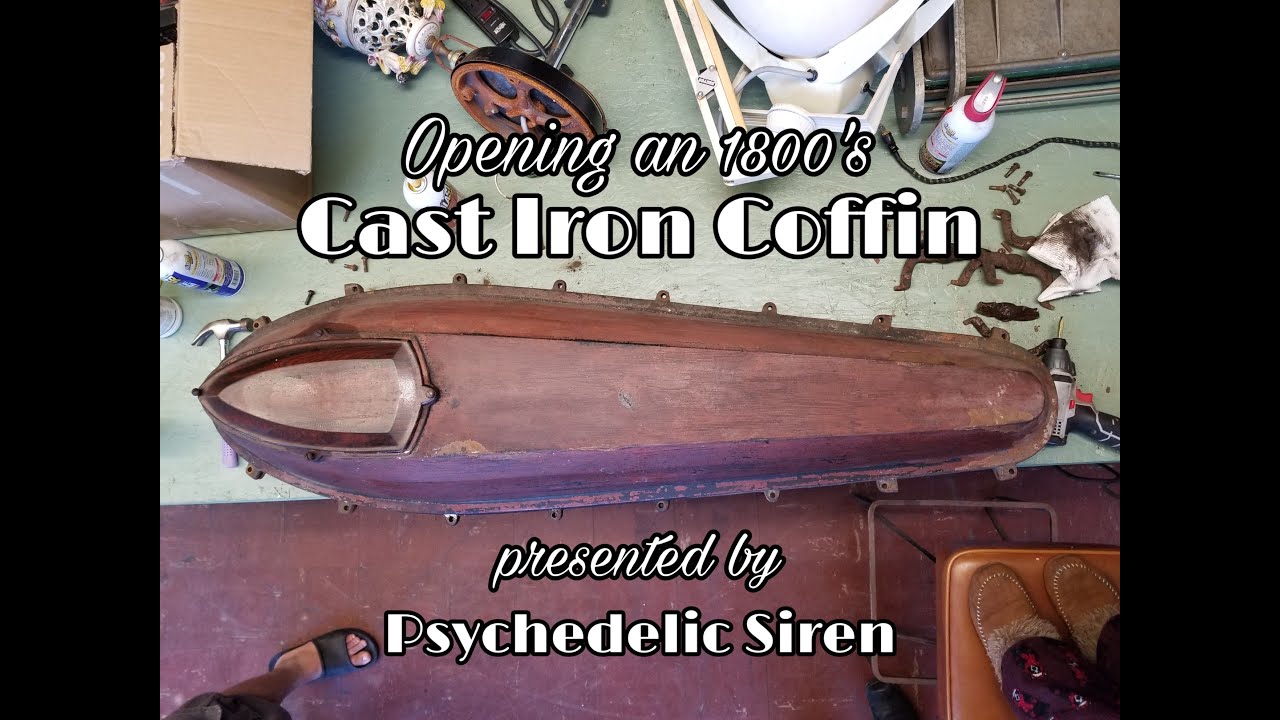
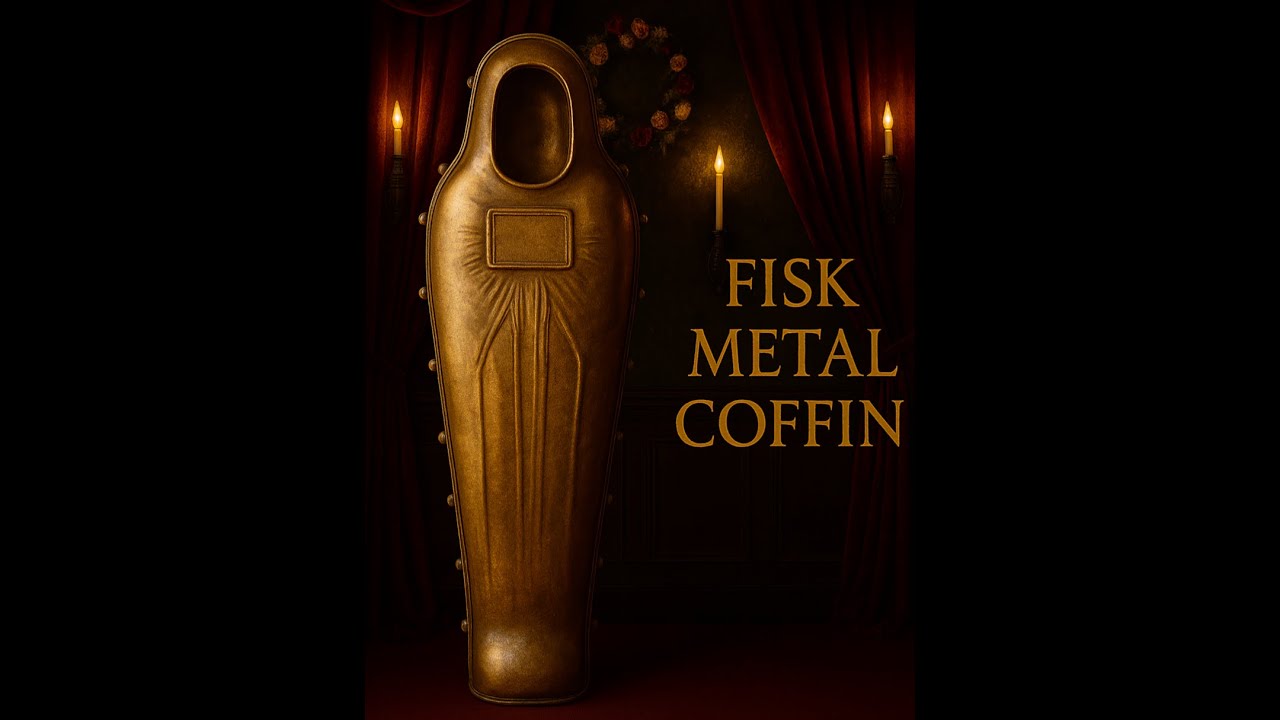
Steel caskets first appeared in the late 1840s, when Dr. Almond Fisk received a U.S. patent for a cast-iron casket that he claimed was airtight and indestructible. The bronze-finished “metallic burial case” featured a lid made from a sheet of glass, which allowed mourners to view the deceased.
Steel caskets, initially known as "metallic burial cases", were touted as indestructible and airtight, offering improved preservation and even enabling safer transportation of bodies, particularly important before widespread refrigeration or embalming. They also played a role in quarantining victims of contagious diseases while allowing traditional funerals.
Manufacturing and Industry: The late 19th and early 20th centuries witnessed the formalization of the casket manufacturing industry, moving from local craftsmen to specialized businesses. The National Casket Company, formed in 1880, grew to become the world's largest casket manufacturer by 1951. Batesville Casket Company, founded in 1884, transitioned from handcrafted wooden coffins to mass-produced metal caskets, including the metal-gasketed "Monoseal".
Shift in Practices: The early 1900s saw a shift in American funeral practices, with caskets gaining popularity over traditional coffins. The term "casket" (suggesting a container for valuables) replaced "coffin" to create a softer, more dignified association with death, according to Overnight Caskets. Metal caskets, particularly steel and bronze, became favored for their durability and potential for ornate designs, reflecting a cultural trend towards the "beautification of death".
Materials and Construction: While early caskets were mainly cloth-covered wood, the availability of sheet steel after the Korean War spurred a rapid increase in metal casket production. Steel caskets were typically made in various gauges, with thicker gauges indicating greater durability. Other metal options like copper and bronze were also used, prized for their resistance to rust and corrosion.
Note: During the 1940s, wartime conservation efforts temporarily led manufacturers like Batesville to produce cardboard caskets, but steel use resumed by 1948.
Доступные форматы для скачивания:
Скачать видео mp4
-
Информация по загрузке: