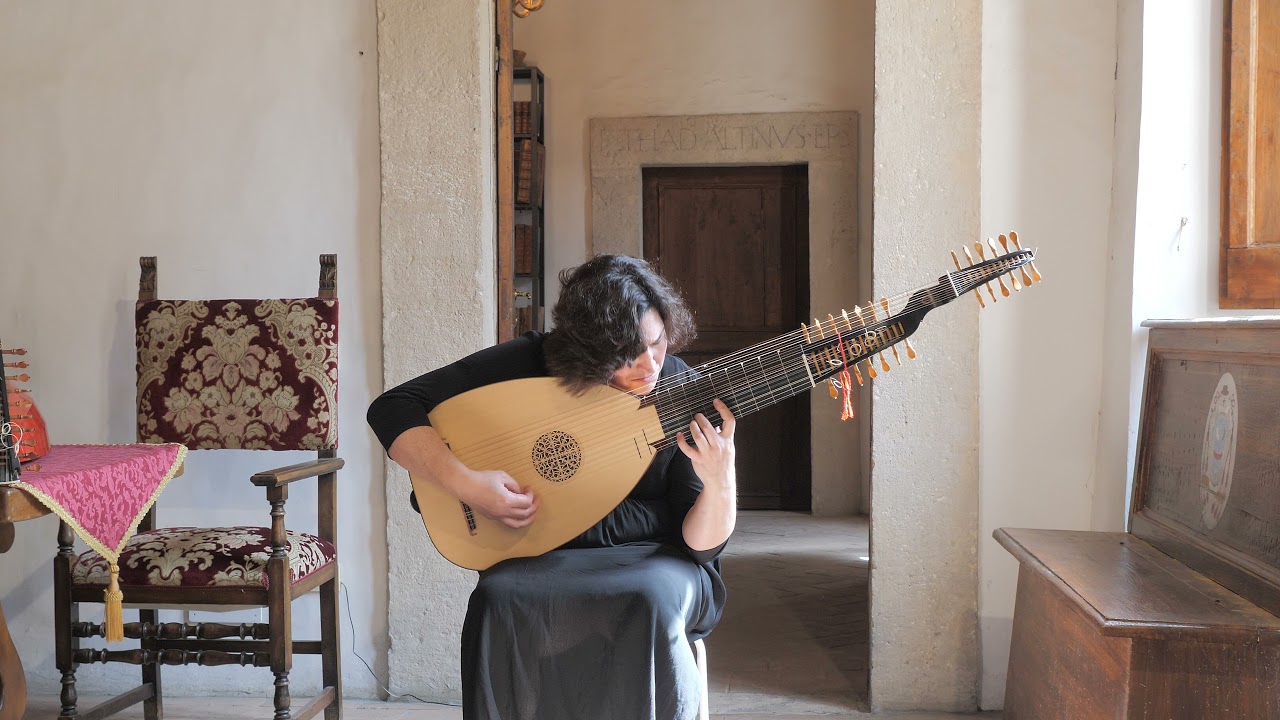
Johann Sebastian Bach - Prelude, Fugue, and Allegro in E-flat, BWV 998 - Dongsok Shin, lautenwerck
Автор: Dongsok Shin
Загружено: 2020-08-21
Просмотров: 28415
Johann Sebastian Bach
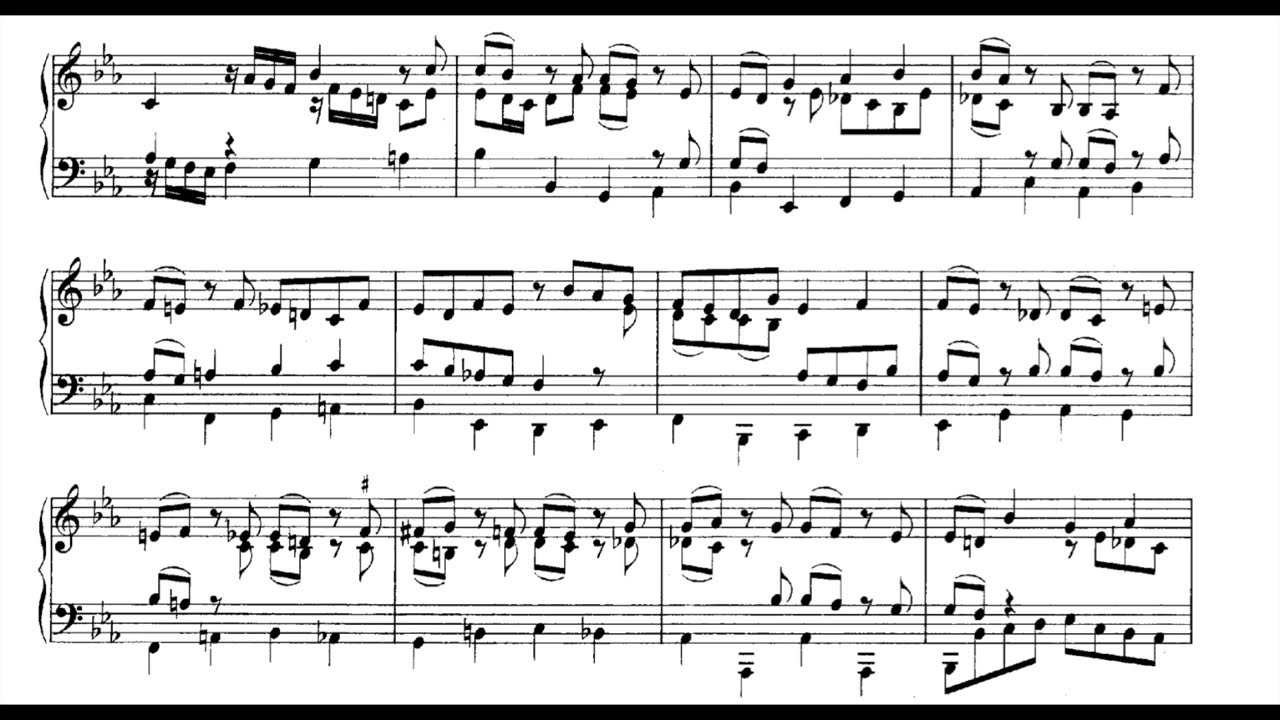
Prelude, Fugue, and Allegro in E-flat Major, BWV 998
0:00 Prelude
2:47 Fugue
8:24 Allegro
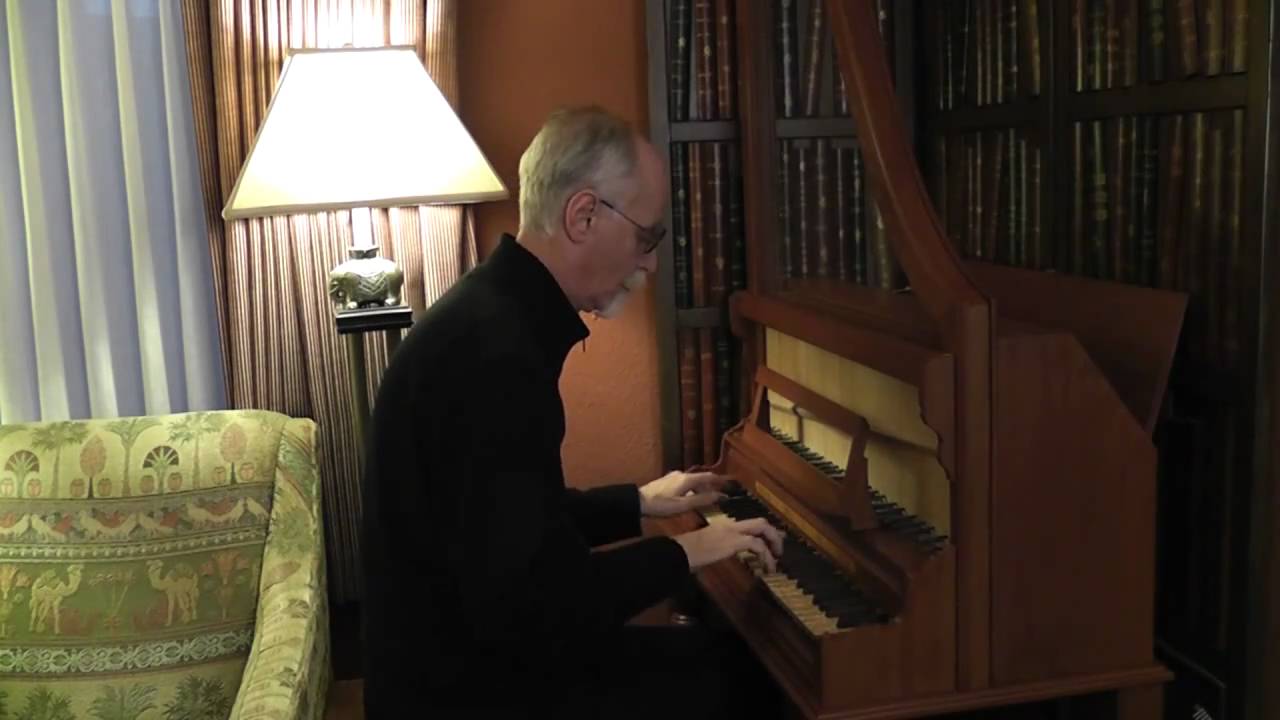
Dongsok Shin, lautenwerck
Lautenwerck by Anden Houben, Tuscaloosa, AL, 1997
Chinoiserie decoration by Pamela Gladding, Bloomsburg, PA
Instrument and Recording Location courtesy of Christine and Jerry Baker
Audio and Video Recording and Editing by Dongsok Shin
© Dongsok Shin, 2020
An estate inventory is, necessarily, a cold dry listing of one’s earthly possessions. And yet, in the
case of J. S. Bach’s, prepared after his death in July 1750, such a list gives tantalizing hints of his
professional and family life. Category VI lists 19 instruments, eight of them keyboards, and of
those, two are lautenwercks or lute harpsichords. Despite Bach’s apparent fondness for this
instrument, no examples survive from the baroque period — only written descriptions.
What is a lautenwerck? It is simply a type of harpsichord, with primarily gut instead of metal
strings. Jakob Adlung (1699-1762) in his Musica mechanica organoedi (1726), described it as
“the most beautiful of all keyboard instruments after the organ...because it imitates the lute, not
only in tone quality, but also in compass and delicacy.” Johann Friedrich Agricola (1720-1774),
in an annotation to this work added, “The editor of these notes remembers having seen and heard
a Lautenclavicymbel in Leipzig in about 1740, designed by Mr. Johann Sebastian Bach and made
by Mr. Zacharias Hildebrand, which was smaller in size than a normal harpsichord but in all
other respects similar. It had two choirs of gut strings, and a so-called little octave of brass
strings. It is true that in its normal setting (that is, when only one stop was drawn) it sounded
more like a theorbo than a lute. But if one drew the lute-stop (such as is found on a harpsichord)
together with the cornet stop [the 4’ brass stop undamped], one could almost deceive
professional lutenists.”
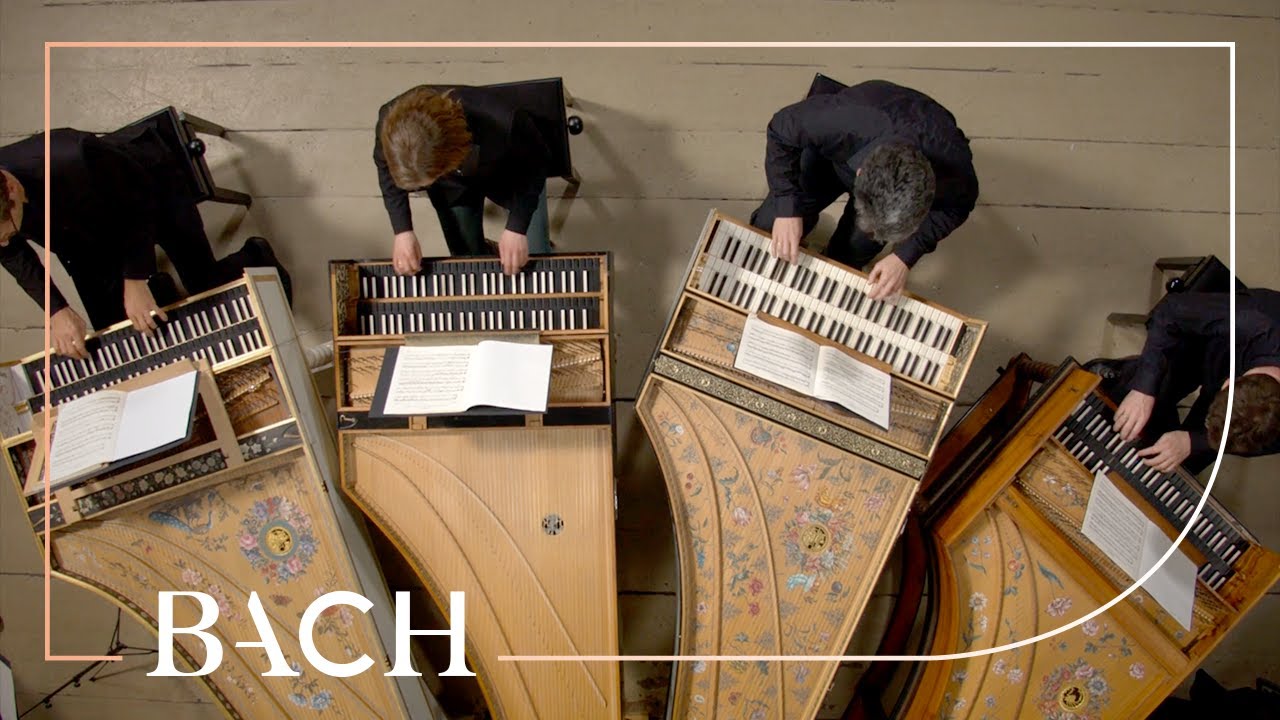
The double manual lautenwerck used in this performance was built by Anden Houben of
Tuscaloosa, AL in 1997. The instrument has 56 notes, GG to d3, on keyboards with ebony
covered naturals, bone topped sharps, and arcades of carved pearwood. The case is steam bent
poplar, and the soundboard is sitka spruce with a lute-style rose carved directly into the board.
The chinoiserie decoration was executed on a black ground by Pamela Gladding of Bloomsburg,
PA. Her botanically themed design covers the interior of the lid, the keywell, and jackrail, using
bronze powders, and gold and silver leaf in the 18th century manner.
The instrument is strung in a combination of silver-wound lute strings in the bass and tenor, and plain gut in the alto and treble, tied to the bridges. It is double strung GG to f#1, and single strung to d3. Both keyboards pluck the same strings, the upper closer to the nut producing a nasal contrast to the lower keyboard’s more fundamental tone. Stop levers protruding from above the keyboards allow the performer to engage and disengage the partial second choir of strings, pitched in octaves from GG to Bb, and in unison from B to f#1, and available only on the lower manual. Additionally, a buff stop can be engaged, playable from either manual. The lower manual also slides forward or back, engaging and disengaging the dampers, offering interesting performance possibilities that mimic the lute.

Доступные форматы для скачивания:
Скачать видео mp4
-
Информация по загрузке: