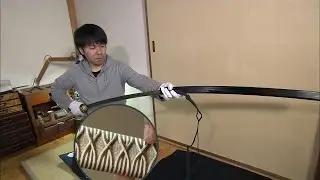
Inside the Katana Factory: How Japanese Master Swordsmiths Forge the World's Deadliest Blades
Автор: Factory Insider 2025
Загружено: 2025-11-19
Просмотров: 6476
Inside the Katana Factory: How Japanese Master Swordsmiths Forge the World's Deadliest Blades
#FactoryProcess #craftsmanship #katanasamurai
Detailed Description:Have you ever wondered why a Japanese katana can cost up to $200,000? This video takes you on a three-month journey into the creation of one of the world's sharpest blades - from iron sand on a riverbed to a finished masterpiece of metallurgical art.🔥 What You'll Discover:
The traditional 72-hour Tamahagane steel smelting process in a Tatara furnace
The 15-fold steel folding technique creating 32,768 layers thinner than human hair
The secret behind 60 HRC hardness and edges sharper than surgical scalpels
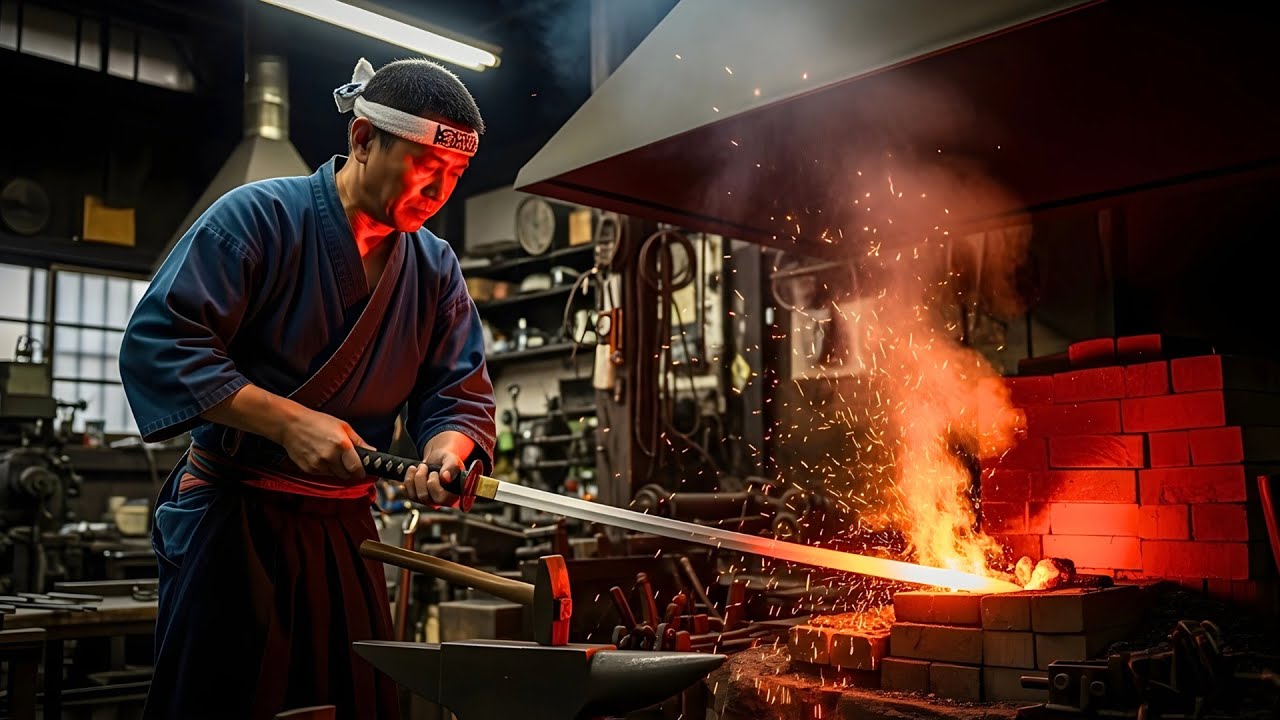
The art of yaki-ire quenching that creates the legendary hamon pattern
120-200 hours of hand polishing to achieve the perfect cutting edge
Why only 300 licensed craftsmen are authorized to forge katanas in Japan
⚔️ Impressive Numbers:
3 months of production time
7 different specialized master craftsmen
32,768 folded steel layers
Temperatures reaching 1,500°C (2,732°F)
Edge thickness of only 0.3-0.5mm
Value: $20,000 - $200,000 (modern blades) to millions (antique swords)
From collecting satetsu iron sand in remote rivers of Shimane and Okayama prefectures, through the traditional Tatara furnace smelting, the forging and folding of kawagane and shingane steel, to the art of yaki-ire differential hardening and meticulous togishi polishing - every step demands supreme skill passed down through 700 years of history.This isn't just a sword. It's a living cultural heritage, a metallurgical masterpiece, and a testament to the perfection of Japanese craftsmanship. Watch as we reveal why the katana can slice through six tatami mats (replicating human tissue density) without a single chip on the blade, how the differential clay coating creates both razor sharpness and flexible durability, and why these blades cost more than most people's cars.The video covers the complete process:
Satetsu iron sand collection and magnetic separation
Three-day Tatara furnace operation by the murage fire master
Tamahagane jewel steel extraction (200kg from 2 tons of material)
15 cycles of heating, hammering, and folding to create microscopic layers
Composite blade construction combining hard and soft steel
Clay application and the critical yaki-ire quenching moment
Professional togishi polishing using stones worth $3,000-$10,000 each
Tsuka handle and tsuba guard crafting by specialized artisans
Final tameshigiri test cutting for quality control
Learn why less than 10% of traditionally made katanas pass the rigorous testing standards, how the hamon line proves proper heat treatment, and why these functional works of art represent the pinnacle of pre-industrial metallurgy that modern science still struggles to replicate.
⚠️ DISCLAIMER
This video is creative entertainment content and does not represent any actual luxury brands or manufacturers. All information presented is for entertainment purposes and creative content reference only.
We do not encourage or endorse the trade of wildlife or products from endangered species. Always respect nature and protect animals.
🎬 THANK YOU FOR WATCHING!
If you found this video interesting and valuable:
👍 LIKE the video to support the channel
🔔 SUBSCRIBE and hit the notification bell for new videos
💬 COMMENT below what luxury manufacturing process you want to explore next
📤 SHARE this video with your friends
Доступные форматы для скачивания:
Скачать видео mp4
-
Информация по загрузке: