Barbara Strozzi - Lagrime Mie (lamento) - Liz Kiger and Mia Theodoratus
Автор: Brooklyn Telemann Chamber Society
Загружено: 2023-03-29
Просмотров: 513
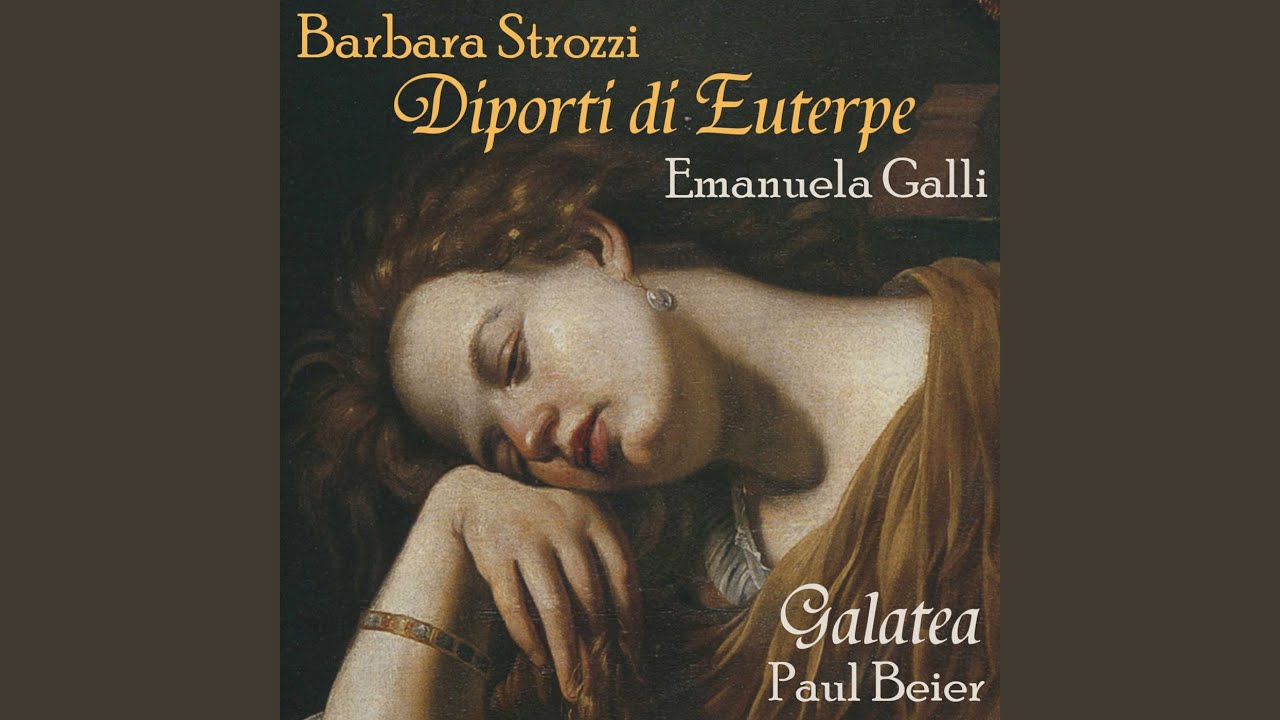
Lagrime mie, lamento from Diporti di Euterpe (Op. 7.04, 1659)
by Barbara Strozzi (1619–1677)
with text by Pietro Dolfino (17th century) Edited by Richard Kolb & Candace Magner
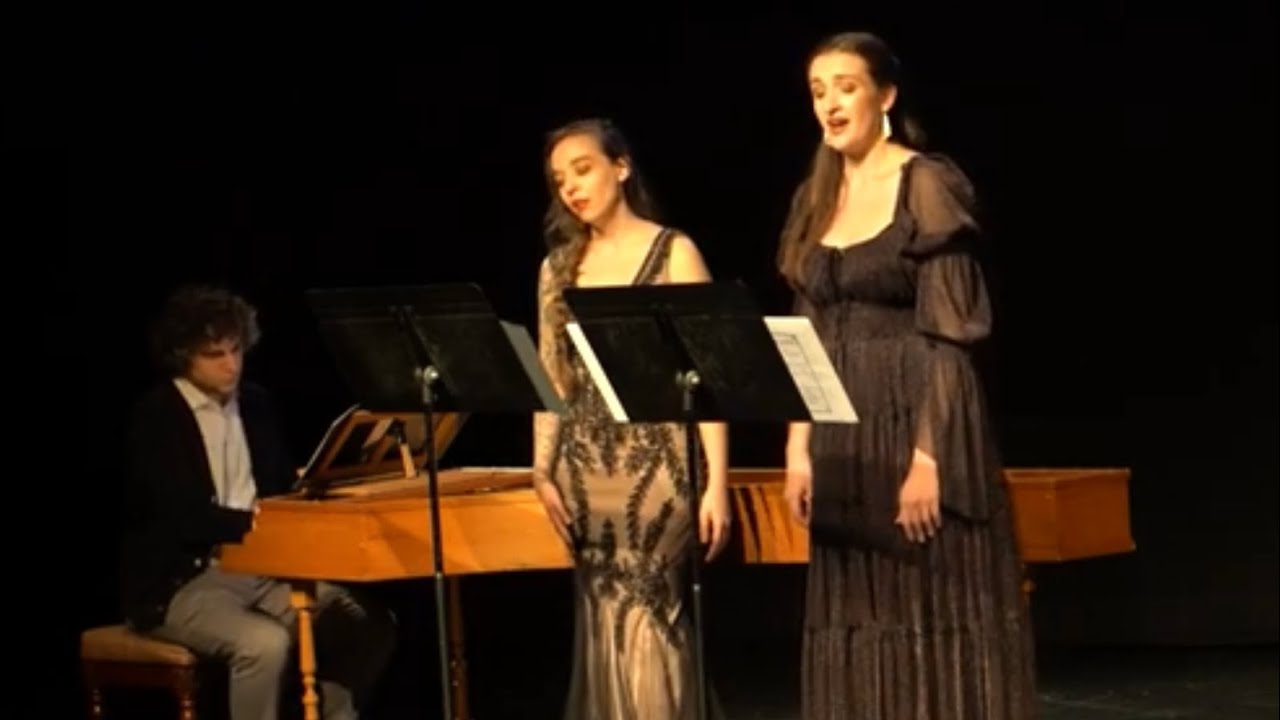
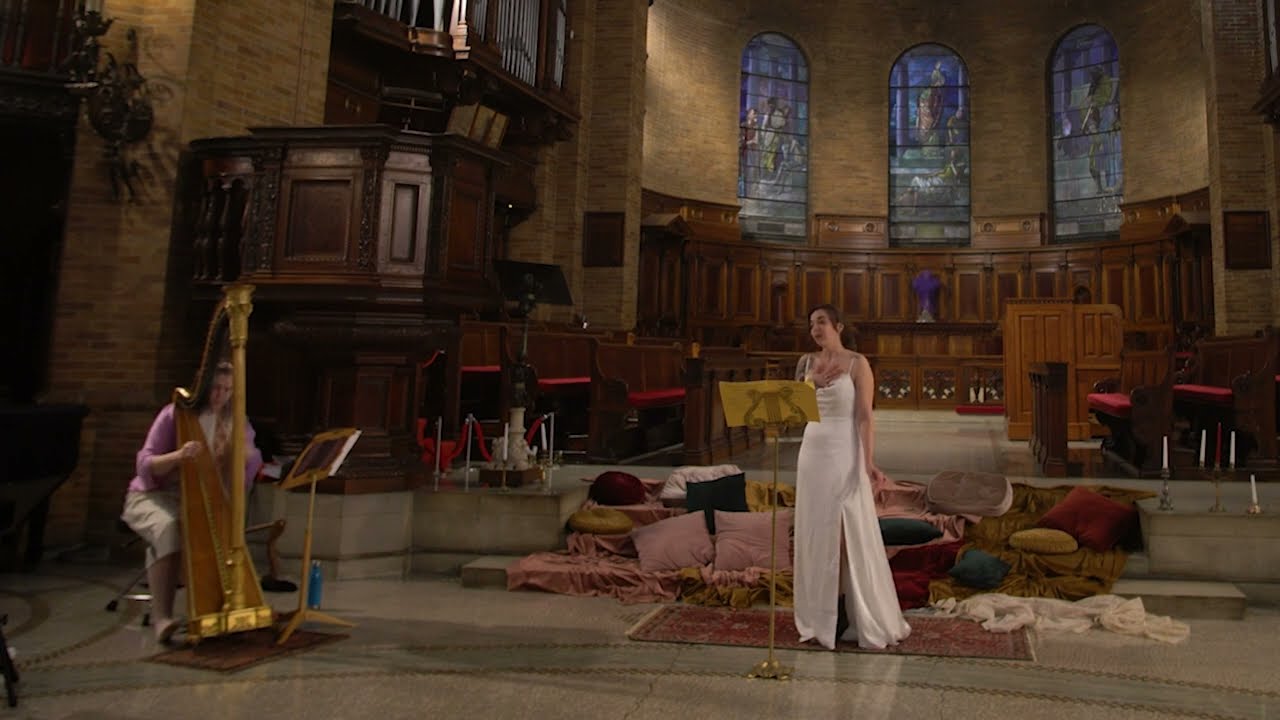
Performed March 25, 2023 as part of Operatic Feminisms Symposium hosted by Columbia University Music Department, Barnard College, &
Saint Paul’s Chapel, NY, NY.
LIZ KIGER is a Turkish-American non-binary soprano vocalist, violinist, and opera director
specializing in Baroque performance practice. They are currently adjunct the director Collegium
Musicum at Columbia University and are also the founder and director of the Brooklyn Telemann
Chamber Society, one of the first primarily digital opera companies, focused on providing
LGBTQIA emerging artists with opportunities reinterpreting Baroque operas as feature films,
thereby bringing opera to new audiences through inclusion and accessibility. They have most
recently performed as soprano soloist for Couperin’s Trois Leçons de Ténèbres (1714). Upcoming engagements include Phèdre in Rameau’s Hippolyte et Aricie & soprano soloist in Handel’s O come chiare e belle cantata HWV 143 with Shenandoah Bach Festival.
MIA THEODORATUS is an adventurous sound maker who plays harp and Ancient Greek lyre.
Her musician life is varied from being in pysch folk bands that played CBGB, Coney Island High and Pink Pony, improv groups with Go Organic Orchestra playing Central Park Summer stage, Optipus playing Whitney Biennial, MoMA and dirty basements and classical performances at Carnegie Hall. Favorite performances are LifeBall in Vienna, Glamour Club in Shanghai, and a concert by invitation of President Barak Obama. Her current love is playing period music on Dital and single action harps and bringing them into non classical venues.
LAGRIME MIE PROGRAM NOTES
Barbara Strozzi (1619 - 1677) was one of the most prolific Italian composers during the Baroque era, with 125 pieces of vocal music in eight collections of secular songs published, despite not having patronage from the church. Additionally, she was the most sought-after vocalist and performer and has been credited
as the creator of the “cantata”.
Born in Venice and adopted by the poet Giulio Strozzi, she studied music under Francesco Cavalli where she was exposed to and frequently performed for the Accademia degli Incogniti, the group of artists and intellectuals who are credited with the invention of opera. By age 18 her father had founded another academy, Accademia degli Unisoni with the unofficial purpose of including Barbara to circumvent gender discrimination in the academies. Many satires were written about her participation in these academy meetings and have been mistranslated by historians into deeming her a “courtesan” rather than the term “cortigiana onesta” (respectable women displaying of virtues). The term “virtue” held high regard during this period, a compliment with multiple meanings, synonymous with “virtuosic” in deeming one being “the essence of goodness” in addition to technical prowess. Barbara was seen as the allegorical Flora of her time, holding both beauty alongside wisdom and talent and is depicted as such in the famous painting The
Viola da Gamba Player, by Bernardo Strozzi (no relation).
The cantata piece performed today Lagrime mie, a che vi trattenete (My tears, who do you hold back?) is one of Strozzi’s most enduring cantatas. The opening line, repeated throughout, depicts the struggle of restraining grief and as the song progresses, the ornamentation flutters and swells to draw a flood of tears. Pietro Dolfini was a member of the Unisoni and there is a direct connection with this piece and their debate regarding “whether a fair face weeping or a fair one singing is more potent in inspiring love”.*
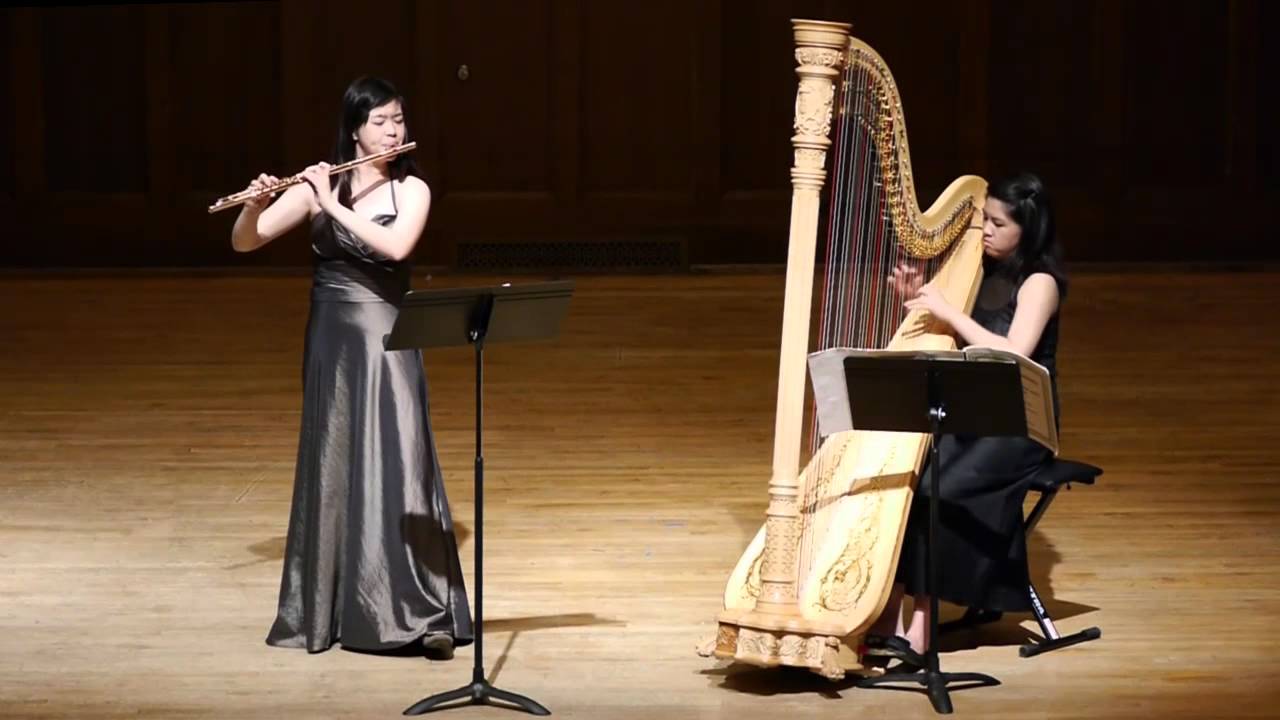
Traditionally the continuo line would have been realized by lute, gamba, and consort instruments however we are delighted to be performing it today on the 1780 Sébastien Érard pedal harp, in a small ensemble of femme artists, in the spirit of Barbara’s own performances as “la virtuoissima cantratrice.”
Written by Liz Kiger
Доступные форматы для скачивания:
Скачать видео mp4
-
Информация по загрузке: