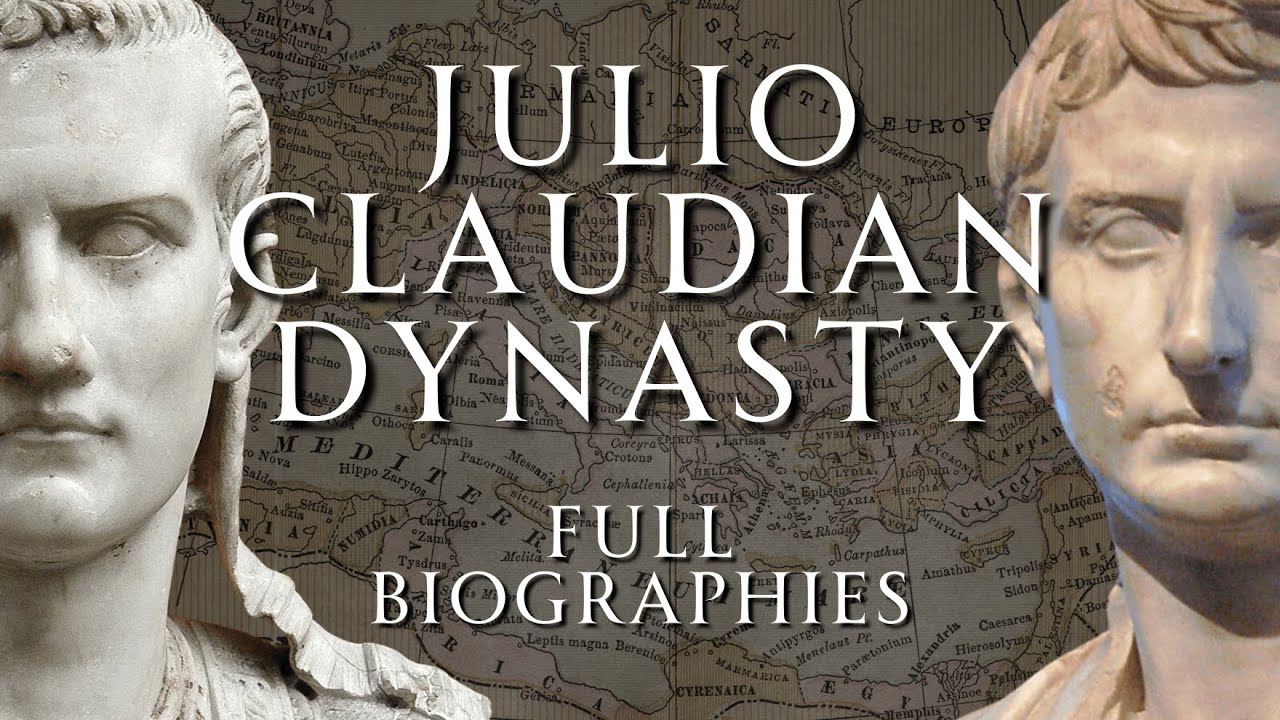
The Julio Claudian Dynasty | 5 Biographies | Human Voiced, No Ads
Автор: ASMR Historian
Загружено: 2024-09-30
Просмотров: 7402
00:00:00 Augustus
01:13:20 Tiberius
01:59:17 Caligula
03:31:20 Claudius
04:25:41 Nero
Join this channel to get access to perks:
/ @asmr_historian
Check out my Patreon for Ad Free Viewing:
/ asmrhistorian
Merch:
https://histmerch.shop/
Embark on an exploration of the Julio-Claudian Dynasty, the first imperial family of ancient Rome, which reigned from 27 BC to AD 68. This dynasty, founded by Augustus, the adopted son of Julius Caesar, includes some of the most famous and infamous emperors in Roman history. Their reigns were marked by significant achievements, dramatic personal lives, and pivotal events that shaped the early Roman Empire.
Founding of the Dynasty: The dynasty began with Augustus, who established the principate, a system that kept the appearance of republican governance while consolidating power under a single ruler. His reign (27 BC - AD 14) initiated a period of relative peace known as the Pax Romana. Augustus’ administrative reforms, military expansions, and cultural patronage laid the foundations for over two centuries of imperial stability.
Tiberius (AD 14-37): Augustus was succeeded by his stepson Tiberius, a capable military leader but a less charismatic ruler. His reign was characterized by increasing autocracy and paranoia, which culminated in the notorious purges of his later years. Tiberius' withdrawal to Capri and the rise of the Praetorian Prefect Sejanus led to significant political intrigue and instability towards the end of his rule.
Caligula (AD 37-41): Caligula’s short and tumultuous reign is infamous for its excess and apparent madness. Stories of his erratic behavior, cruelty, and claims of divinity shocked Roman society. His assassination by members of his own guard after just four years in power highlighted the volatility of the imperial system.
Claudius (AD 41-54): Claudius, Caligula’s uncle, was initially seen as a weak ruler due to his physical disabilities and scholarly nature. However, he proved to be an able administrator and military commander. His conquest of Britannia was a significant expansion of the empire. Claudius’ rule also saw major construction projects and reforms of the judicial system.
Nero (AD 54-68): The last of the Julio-Claudian emperors, Nero is perhaps best known for his artistic ambitions and the great fire of Rome, which he famously is said to have serenaded. His reign saw increasing military rebellions and the loss of the public’s support. Facing imminent overthrow, Nero committed suicide, marking the end of the Julio-Claudian dynasty.
Legacy and Impact: The Julio-Claudians set many precedents for the later imperial system, but their reigns also highlighted the dangers of dynastic rule and personal power. Their policies helped shape the political, military, and cultural landscape of the Roman Empire, while their personal dramas and scandals enthralled and appalled generations of contemporaries and historians alike.
Explore the era of the Julio-Claudian dynasty to understand the complexities of early imperial Rome, the transformation of its political structures, and the dramatic interplay of personal and public life in shaping one of history’s greatest empires. #JulioClaudianDynasty #RomanEmpire #AncientHistory
Information sourced from Wiki, Gutenburg, JSTOR, primary and secondary sources. All information is congruent with archaeological and history evidence at the time of recording.
Доступные форматы для скачивания:
Скачать видео mp4
-
Информация по загрузке: