Tarbiyah with Rahma: a Spiritual Reminder for Educators
Автор: Al-Hadi Taiwan Islamic Education & Culture Center
Загружено: 2026-01-19
Просмотров: 27
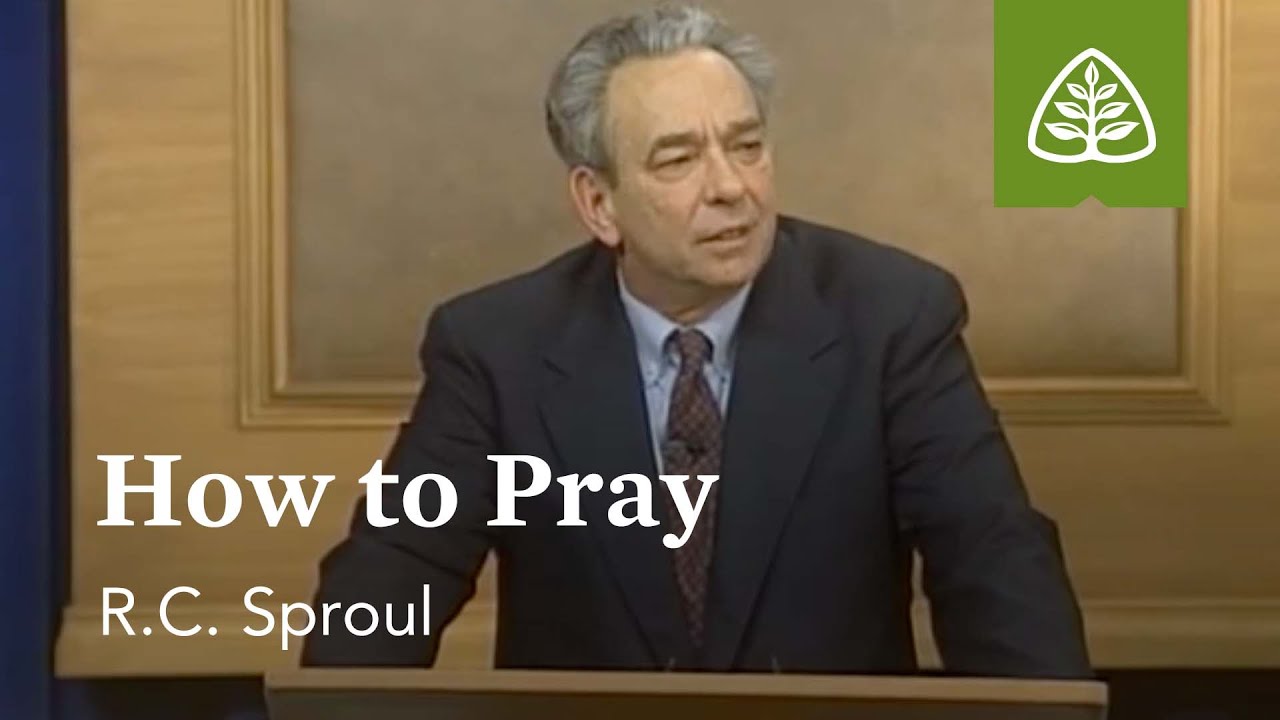
The speaker emphasizes that educators play a pivotal role in shaping children’s understanding and lived experience of Islam. Children are not merely passive learners; they can become powerful agents of change—sometimes even inspiring their parents to adopt Islamic practices such as wearing the hijab or establishing regular Salah.
At the heart of Islamic education, he stresses, must be love, hope, and rahma (mercy). Teaching Islam should be rooted in affection and compassion, not fear or harshness. This approach is reinforced through a heartfelt duʿāʾ, asking Allah for love of Him and love of those who love Him, highlighting that love is the foundation of meaningful tarbiyah.
While the primary responsibility of educating children lies with parents, the reality is that children spend much of their day at school. Therefore, teachers are urged to assume a parental mindset, treating students as their own children. This sense of amanah nurtures deeper care, patience, and accountability in the learning environment.
The speaker also addresses the balance between mercy and discipline. Citing the hadith that instructs parents to encourage prayer at age seven and discipline at age ten if necessary, he explains that discipline—when applied appropriately and with wisdom—is itself a form of rahma, aimed at guiding rather than harming.
Finally, he highlights the importance of creating a joyful and engaging learning environment. Education should be something children look forward to, not escape from. By embracing fun, meaningful activities and “serious play,” schools can cultivate curiosity, love for learning, and positive associations with Islamic education—so that children are happy and eager to come to school each day.

Доступные форматы для скачивания:
Скачать видео mp4
-
Информация по загрузке: