Rack Refrigeration Intro & Discussion
Автор: HVAC School
Загружено: 2022-11-17
Просмотров: 30075
This training class gives an Intro & Discussion into Rack Refrigeration, particularly with a focus on market HVAC and refrigeration for facilities staff.
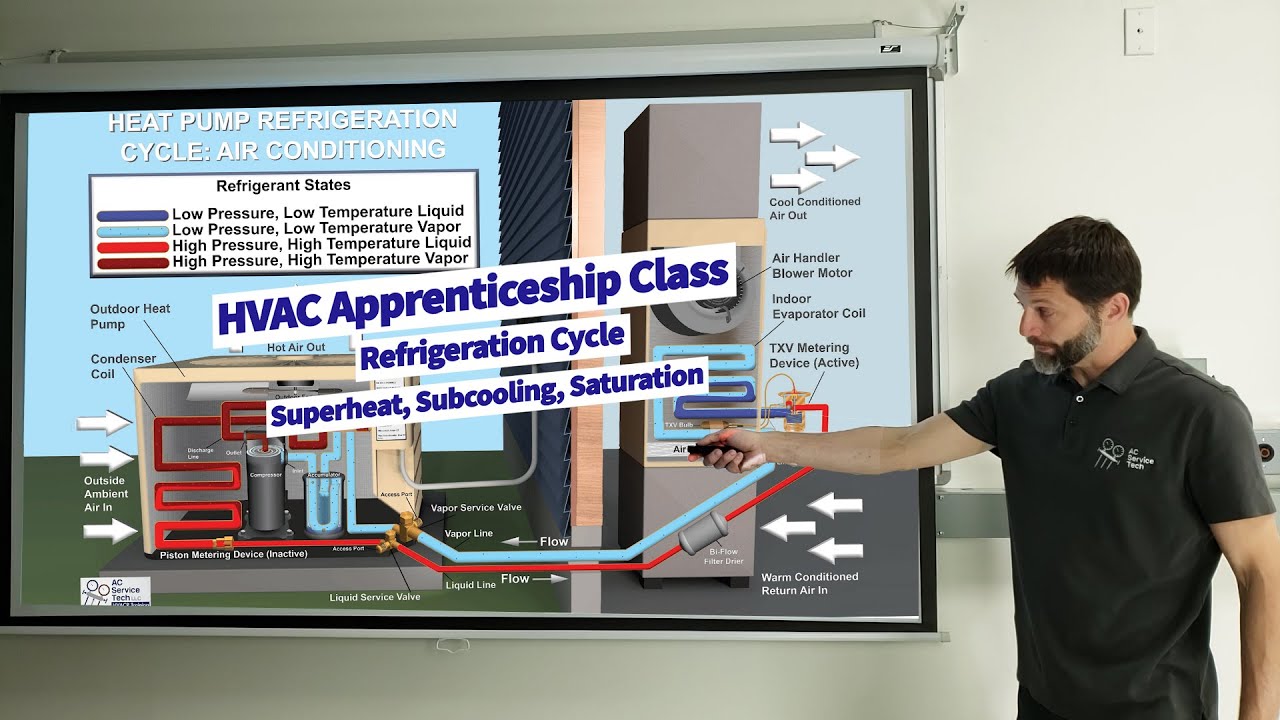
A basic HVAC/refrigeration circuit usually has four main components: the evaporator, compressor, condenser, and metering device. The evaporator absorbs heat, and liquid refrigerant boils inside of it. The compressor significantly increases the pressure of the cool, low-pressure vapor. The condenser takes the hot, high-temperature vapor and rejects heat until it turns into a liquid. Then, the metering device drops the pressure of the warm liquid.
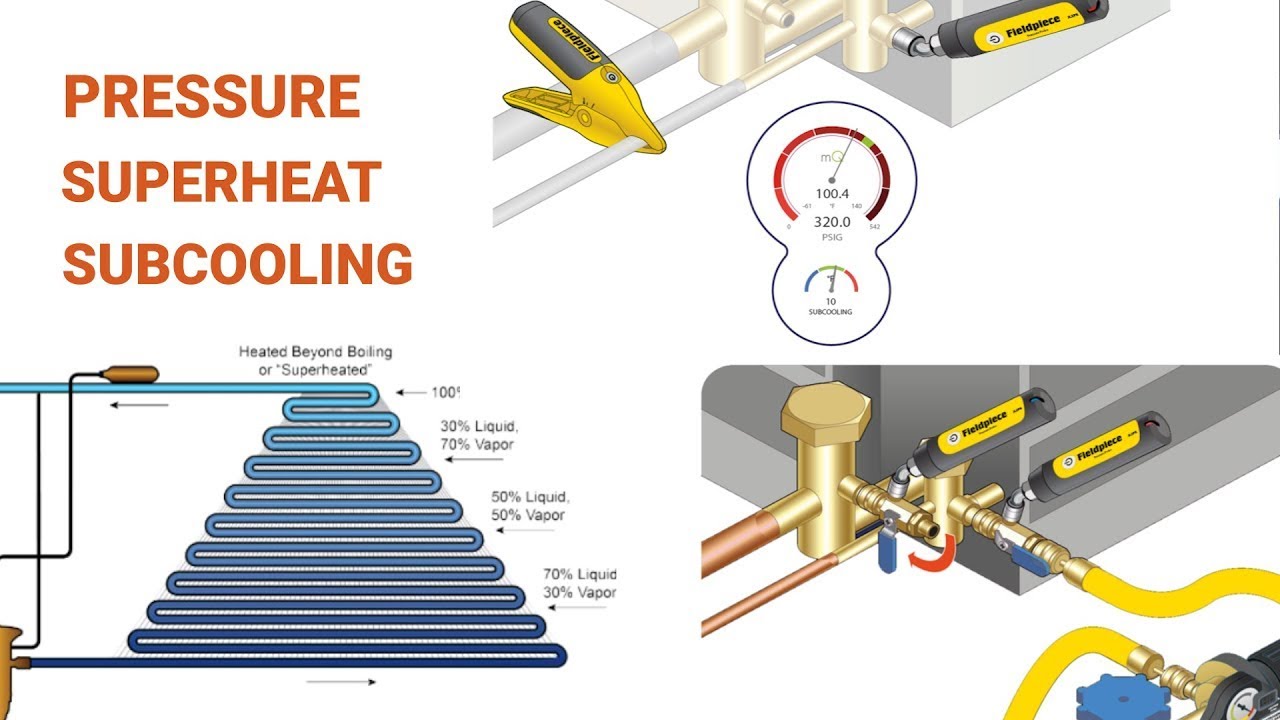
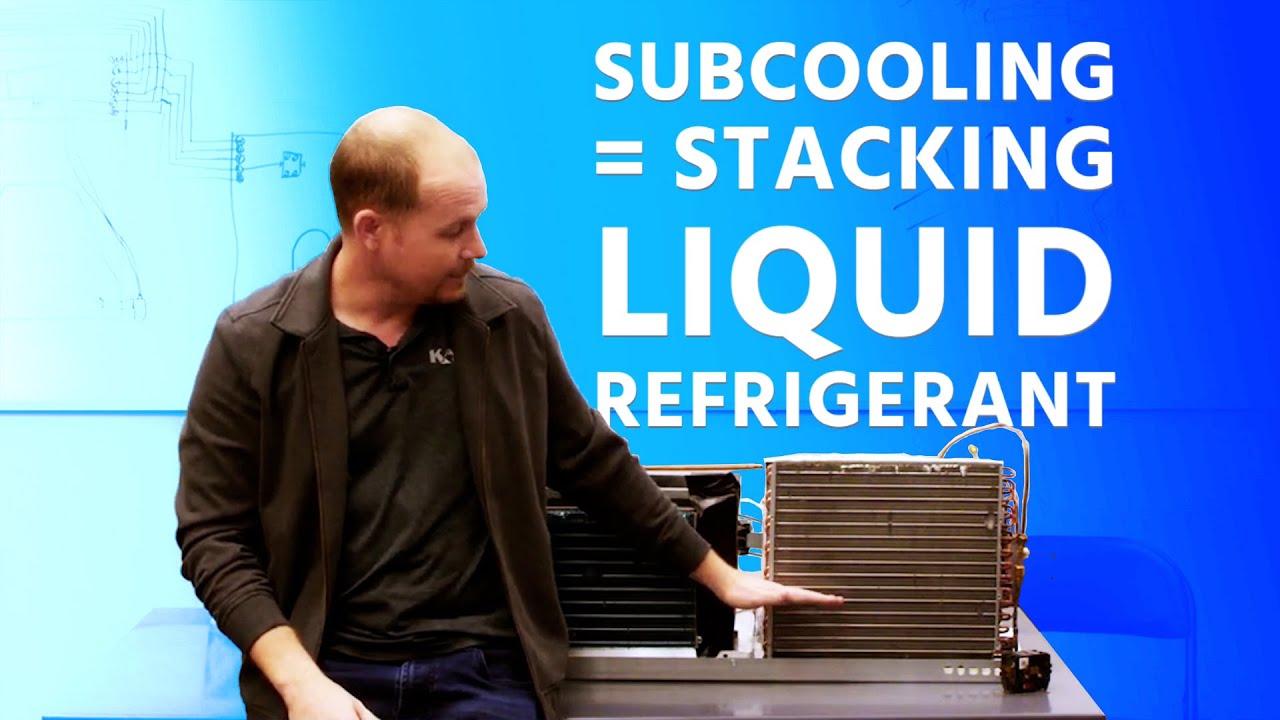
Basic laws of thermodynamics allow the refrigerant to move heat the way it does; the core idea driving HVAC and refrigeration systems is the idea that heat moves from areas of higher temperature to lower temperature. Latent heat, which is heat that contributes to a phase change rather than a temperature change, also allows the refrigerant to absorb or reject large amounts of heat during phase changes. Once a refrigerant has become a vapor from the liquid state, its temperature can rise; the number of degrees above the saturation point is called superheat. When a refrigerant has become a liquid, its temperature can drop below saturation; we call that subcooling. All refrigerants also obey the pressure-temperature relationship, meaning that temperature and pressure rise and fall proportionally to each other. Refrigerants have their advantages and drawbacks related to their effectiveness, flammability, and toxicity.
The four major components of the refrigeration circuit are connected by lines, usually the suction line, discharge line, and liquid line. The suction line carries cool superheated vapor from the evaporator to the compressor. The discharge line carries hot, high-pressure superheated vapor from the compressor to the condenser. The liquid line carries warm, high-pressure subcooled liquid from the condenser to the metering device.
Some systems have additional accessories; the receiver on some refrigeration systems stores liquid refrigerant after it leaves the condenser. Sight glasses are common in refrigeration systems; instead of measuring subcooling, a refrigeration technician can look at a sight glass to ensure a full line of liquid in the liquid line. Filter driers keep solid contaminants from continuing to cycle through the system; if you start getting too much pressure drop across the drier, you'll want to consider changing it, as it might be clogged. Accumulators prevent liquid refrigerant from reaching the compressor, and they are common in HVAC and smaller refrigeration systems. Accumulators also have orifices to pick up some oil to prevent it from getting trapped at the bottom of the accumulator.
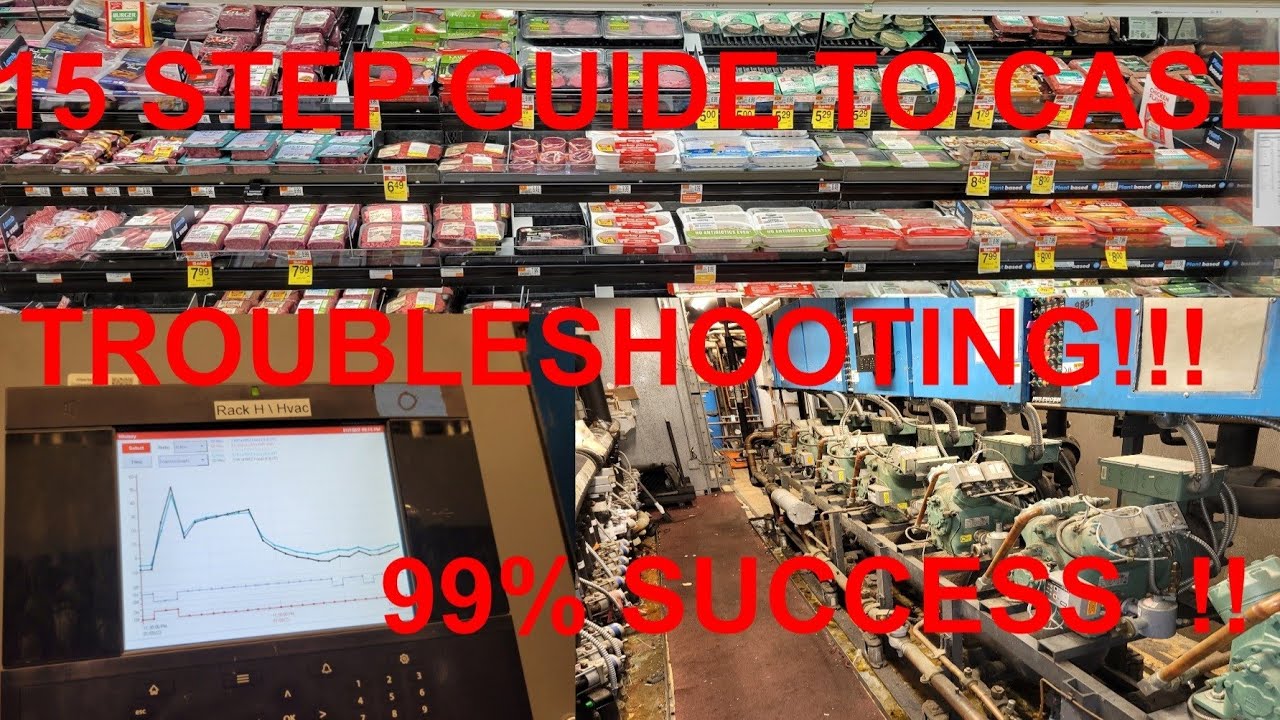
In supermarkets, commercial refrigeration racks are often kept in motor rooms. These are loud, and ear protection is recommended when working on them. Motor rooms can be intimidating and appear to be small spaces, so safety is critical, and it's best to use caution when working inside them. Even though motor rooms often have exhaust fans, leaks can happen and pose a danger; technicians should leave the motor room if there is an evident leak; oil spots may indicate a leak and warrant a leak detection. Hot, exposed lines are common, so it's best to avoid touching those.
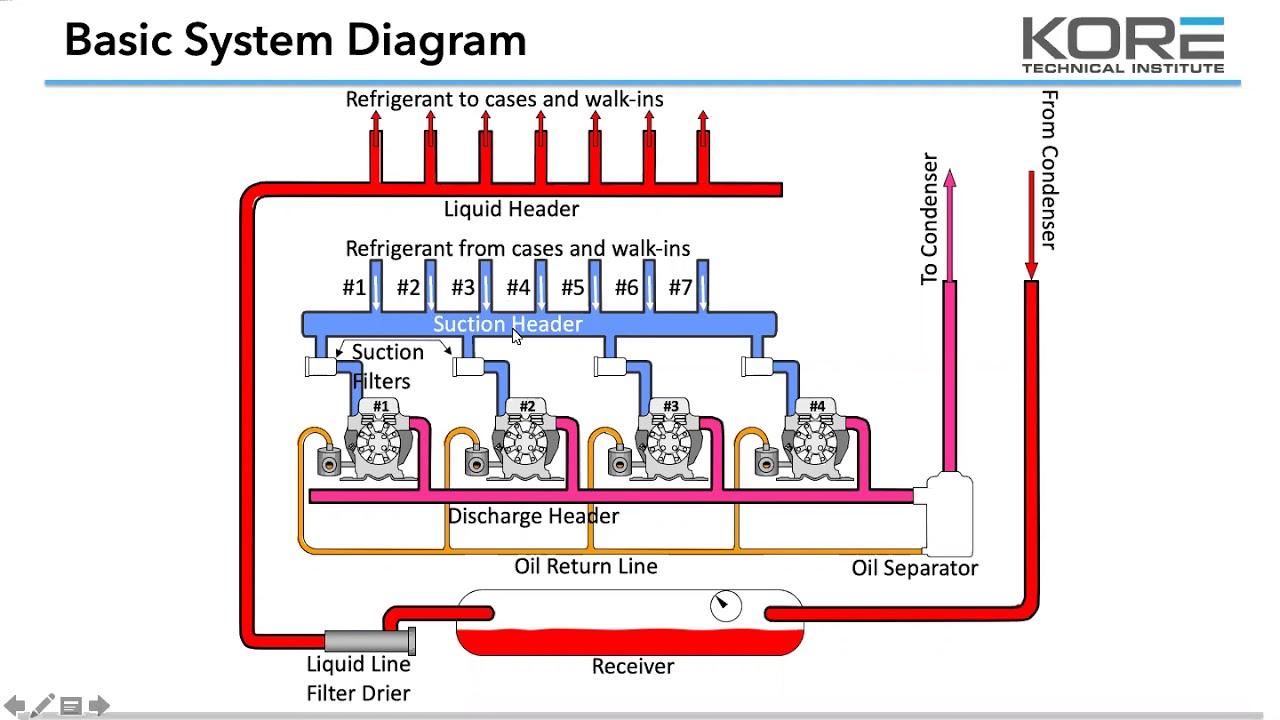
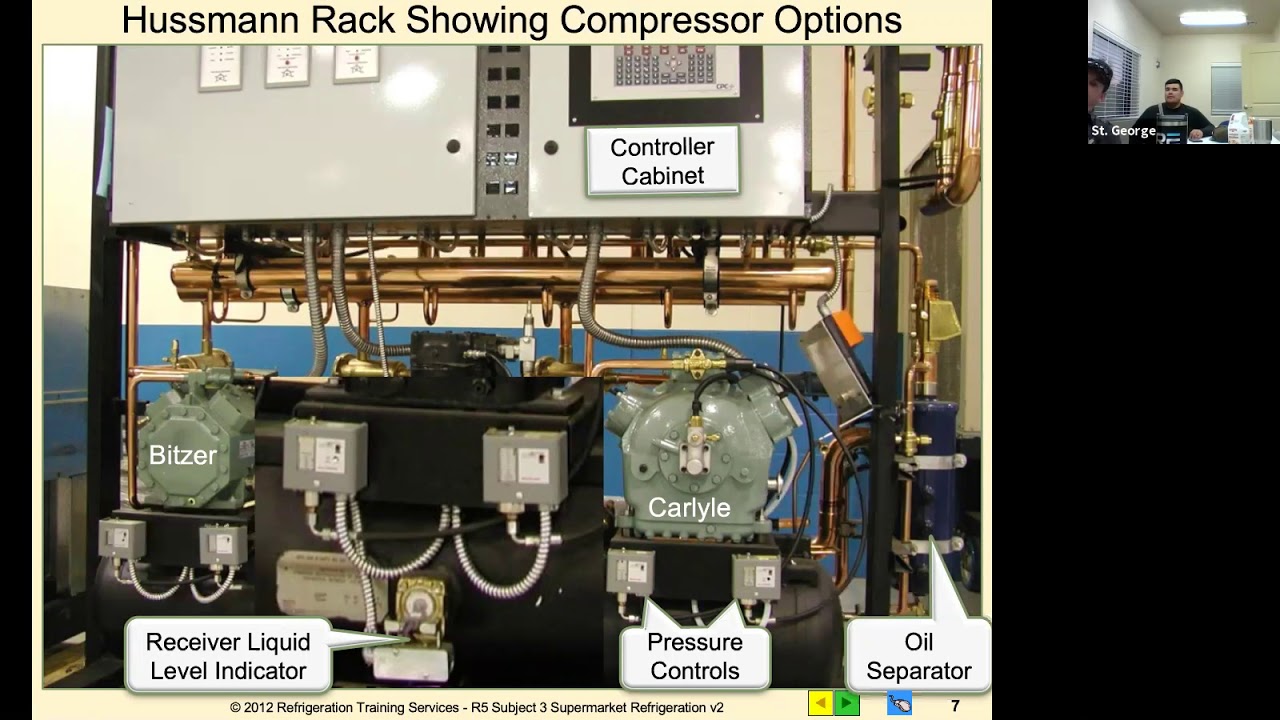
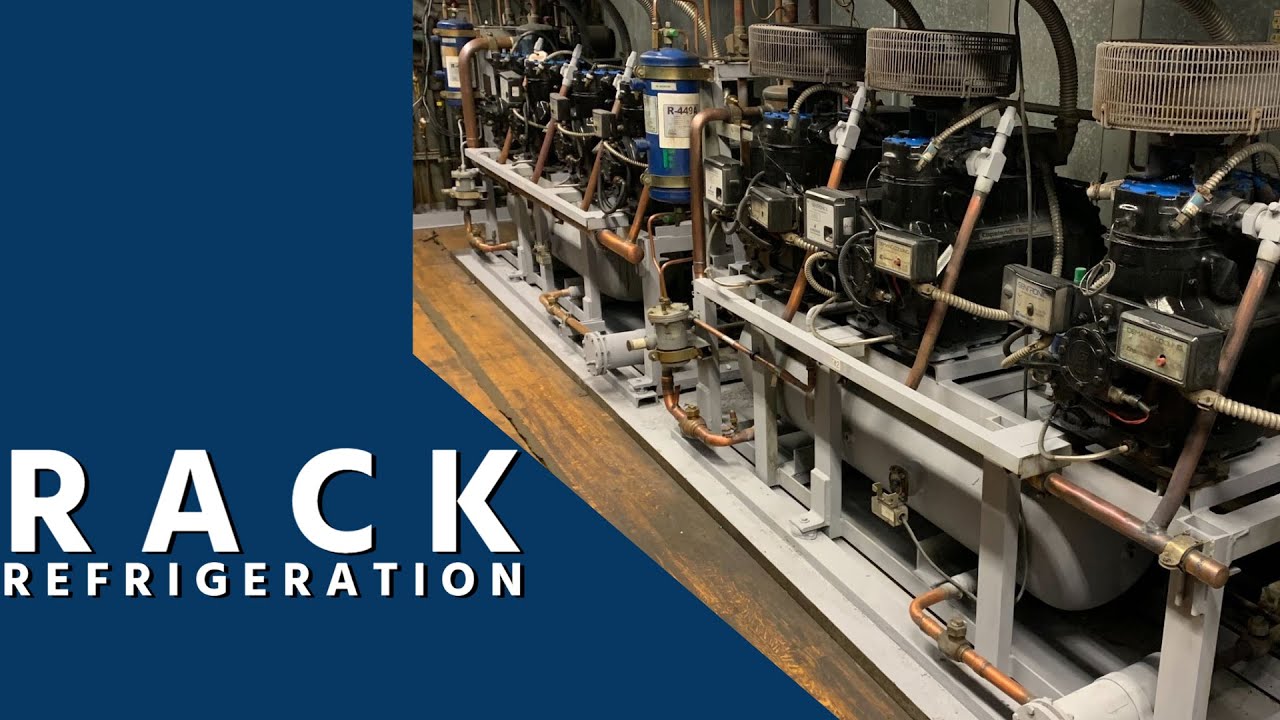
The racks allow multiple compressors and evaporators to share capacity; the motor rooms usually contain compressors and suction and liquid lines. Condensers are often outdoors, and the evaporators are usually present in the grocery cases on the sales floor. Parallel racks also usually have oil return systems with reservoirs, separators, and sight glasses to manage the oil. Ice machines are special refrigeration applications that may be present in grocery stores.
Makeup air units replace exhausted air in commercial HVAC systems, and they're common in spaces like kitchens to balance the pressures from the exhaust. Commercial RTUs usually bring in and condition fresh air; they may make use of economizers to assist with that fresh air mixing.
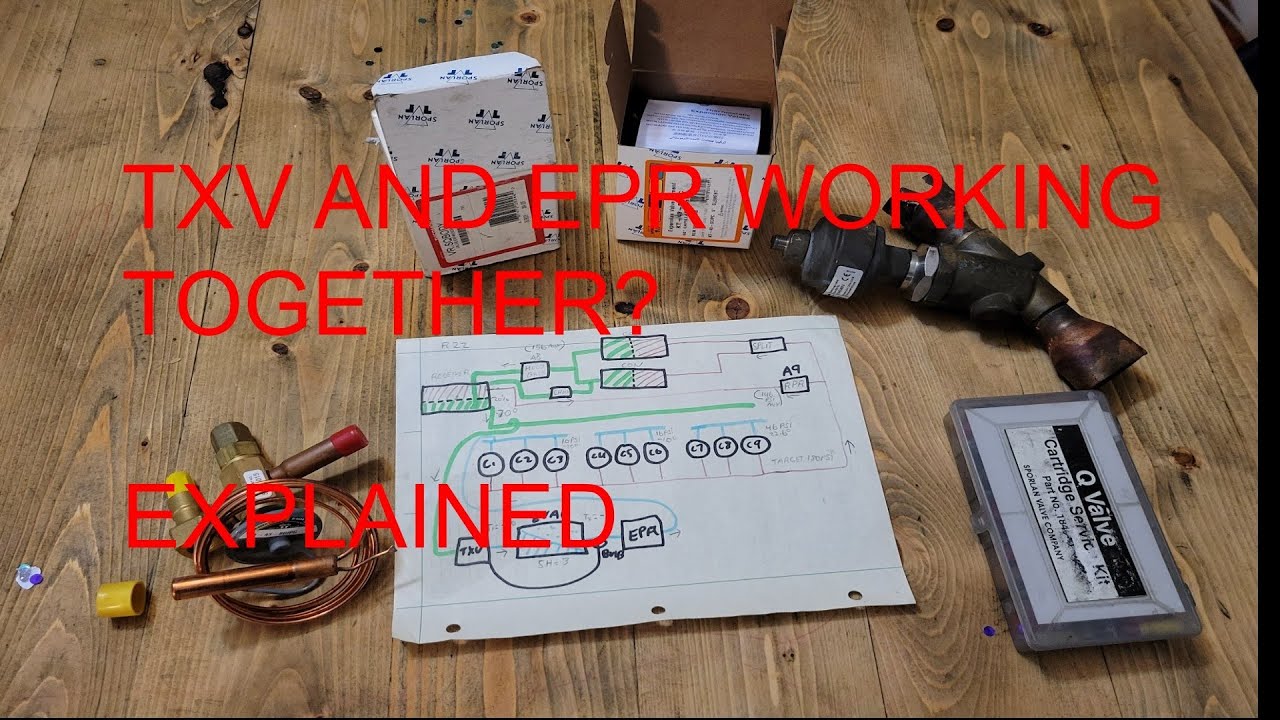
Commercial refrigeration systems may contain several different controls to manage performance, including evaporator pressure regulators (EPRs), SORIT valves, pressure controls, constant cut-in controls, three-way valves, and defrost controls.
Failures may occur in the main refrigeration components, and the superheat and subcooling can tell us quite a bit about the charge. In the case of superheat, we can learn how well the evaporator is being fed with refrigerant. Common compression problems include flooding and slugging, which can occur when liquid gets into the compressor. Mechanical wear and washed-out bearings can also present problems in the compressor.
Read all the tech tips, take the quizzes, and find our handy calculators at https://www.hvacrschool.com/.
Доступные форматы для скачивания:
Скачать видео mp4
-
Информация по загрузке: