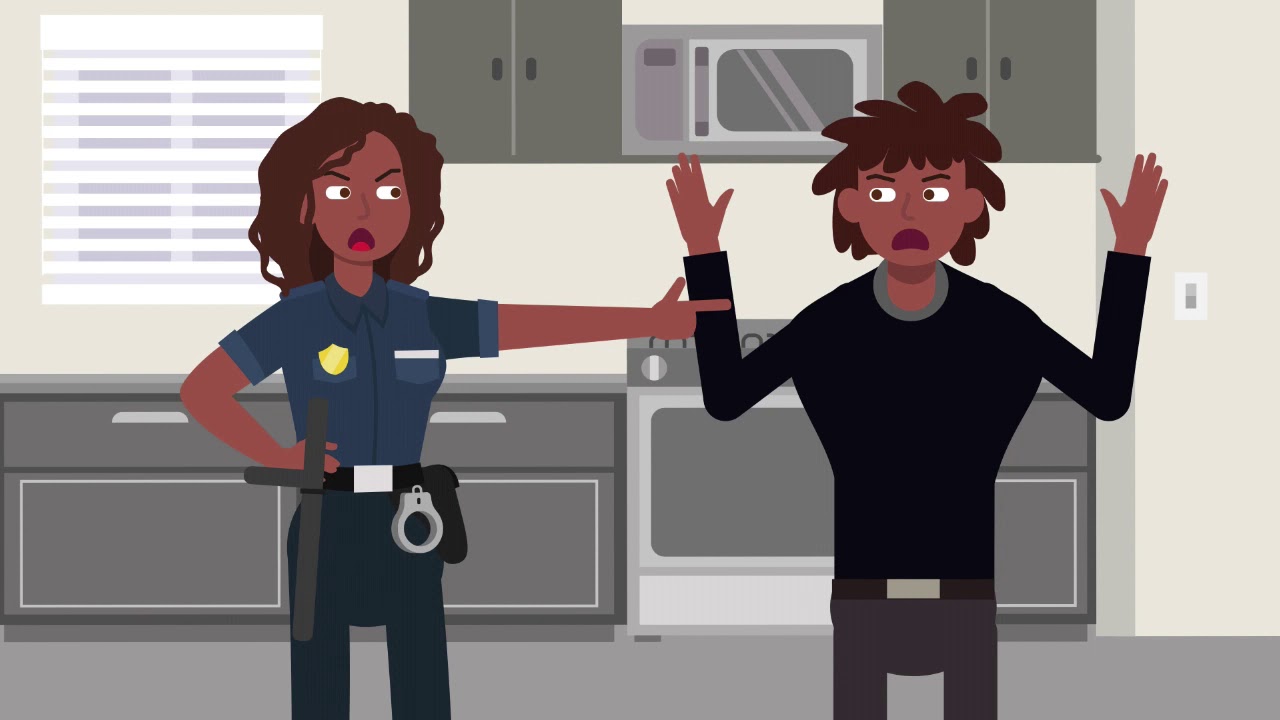
Maryland v. Pringle Case Brief Summary | Law Case Explained
Автор: Quimbee
Загружено: 2020-10-19
Просмотров: 5053
Get more case briefs explained with Quimbee. Quimbee has over 16,300 case briefs (and counting) keyed to 223 casebooks ► https://www.quimbee.com/case-briefs-o...
Maryland v. Pringle | 540 U.S. 366 (2003)
Imagine that you are riding in a car driven by an acquaintance and a police officer stops and searches the car. He finds a large amount of cash and cocaine hidden from view. Does your presence in the car provide a basis for the officer to arrest you as well as the driver for the drugs? The Supreme Court addressed this issue in Maryland versus Pringle.
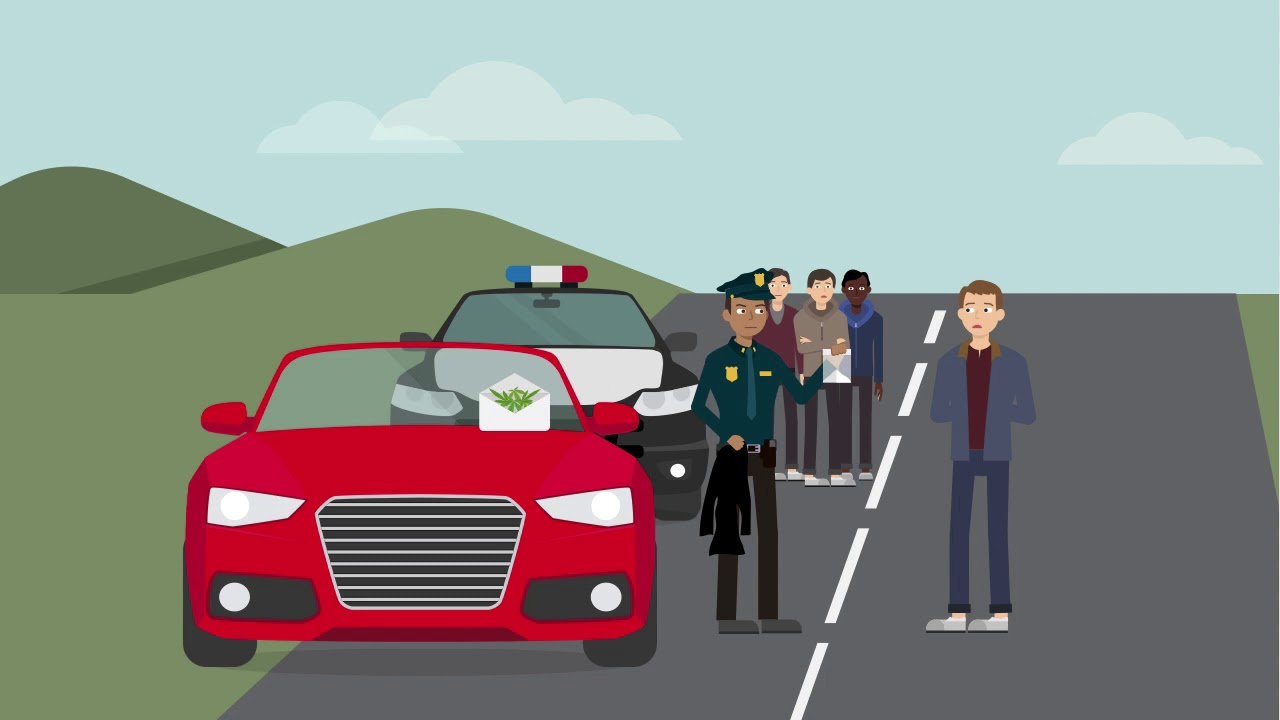
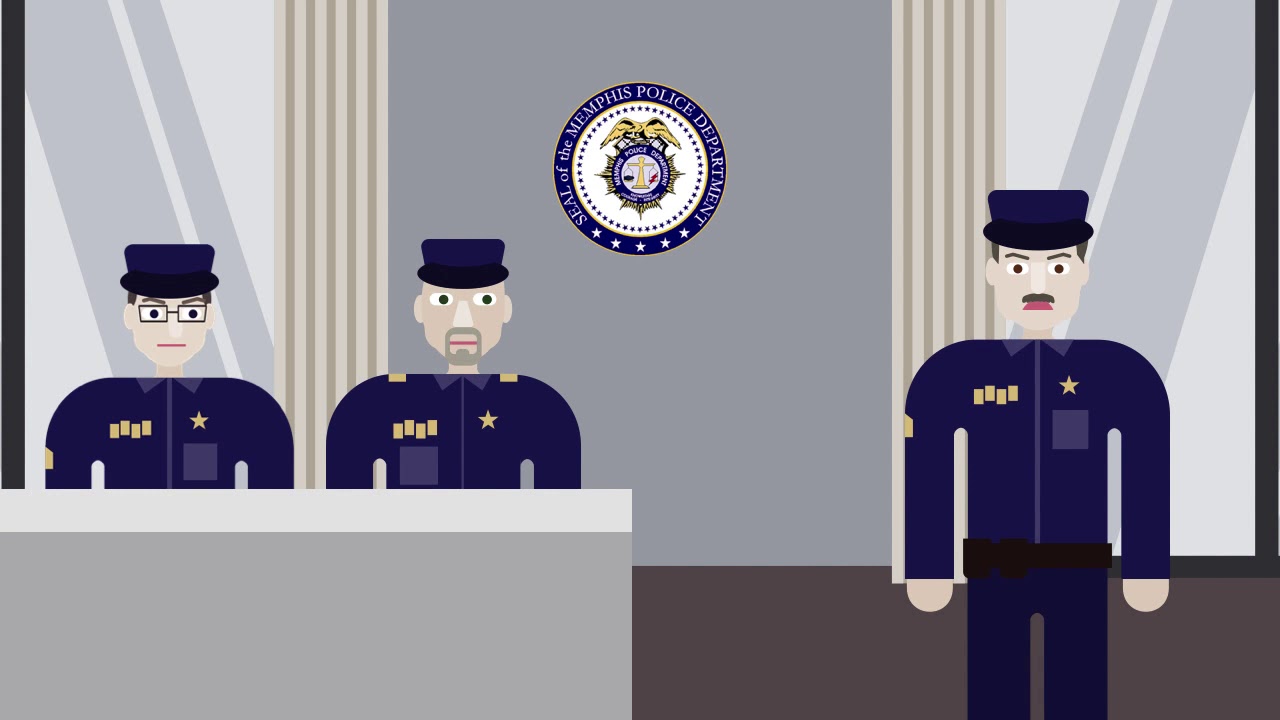
Jermaine Pringle was a front passenger in a car being driven by Donte Partlow. A third man, Otis Smith, was a passenger in the backseat. A police officer stopped the car for speeding and asked for Partlow’s driver’s license and vehicle registration. The officer noticed a large roll of cash in the glove compartment when Partlow opened it to retrieve the registration. The officer then asked for consent to search the car, which Partlow gave. In addition to $763 in cash, the officer discovered five plastic bags containing cocaine hidden behind the armrest in the backseat. The officer asked who owned the cocaine and money, but none of the three men claimed ownership.
The officer arrested all three men and took them to the police station. Pringle was interrogated and, after waiving his Miranda rights, admitted that the cocaine was his and that he intended to distribute it. He was charged with possession with intent to distribute cocaine in state court. He moved to suppress his confession on the ground that he had been arrested without probable cause in violation of the Fourth Amendment. The state trial court denied the motion and admitted Pringle’s confession into evidence at Pringle’s trial. Pringle was convicted.
Pringle appealed to the Maryland Special Court of Appeals, which affirmed his conviction. On further appeal to the Maryland Court of Appeals, the state’s highest court reversed his conviction. The court concluded that, at the time of the arrest, the officer lacked probable cause to arrest Pringle because there was insufficient proof that Pringle had knowledge of, and control over, the cocaine hidden in Partlow’s car. The state successfully petitioned the United States Supreme Court to review his case.
Want more details on this case? Get the rule of law, issues, holding and reasonings, and more case facts here: https://www.quimbee.com/cases/marylan...
The Quimbee App features over 16,300 case briefs keyed to 223 casebooks. Try it free for 7 days! ► https://www.quimbee.com/case-briefs-o...
Have Questions about this Case? Submit your questions and get answers from a real attorney here: https://www.quimbee.com/cases/marylan...
Did we just become best friends? Stay connected to Quimbee here: Subscribe to our YouTube Channel ► https://www.youtube.com/subscription_...
Quimbee Case Brief App ► https://www.quimbee.com/case-briefs-o...
Facebook ► / quimbeedotcom
Twitter ► / quimbeedotcom
#casebriefs #lawcases #casesummaries

Доступные форматы для скачивания:
Скачать видео mp4
-
Информация по загрузке: