Kia P200300
Автор: O'Rileys Autos
Загружено: 2025-08-10
Просмотров: 11177
Diagnosing a Persistent DPF Warning on a 2018 Kia Stonic Diesel
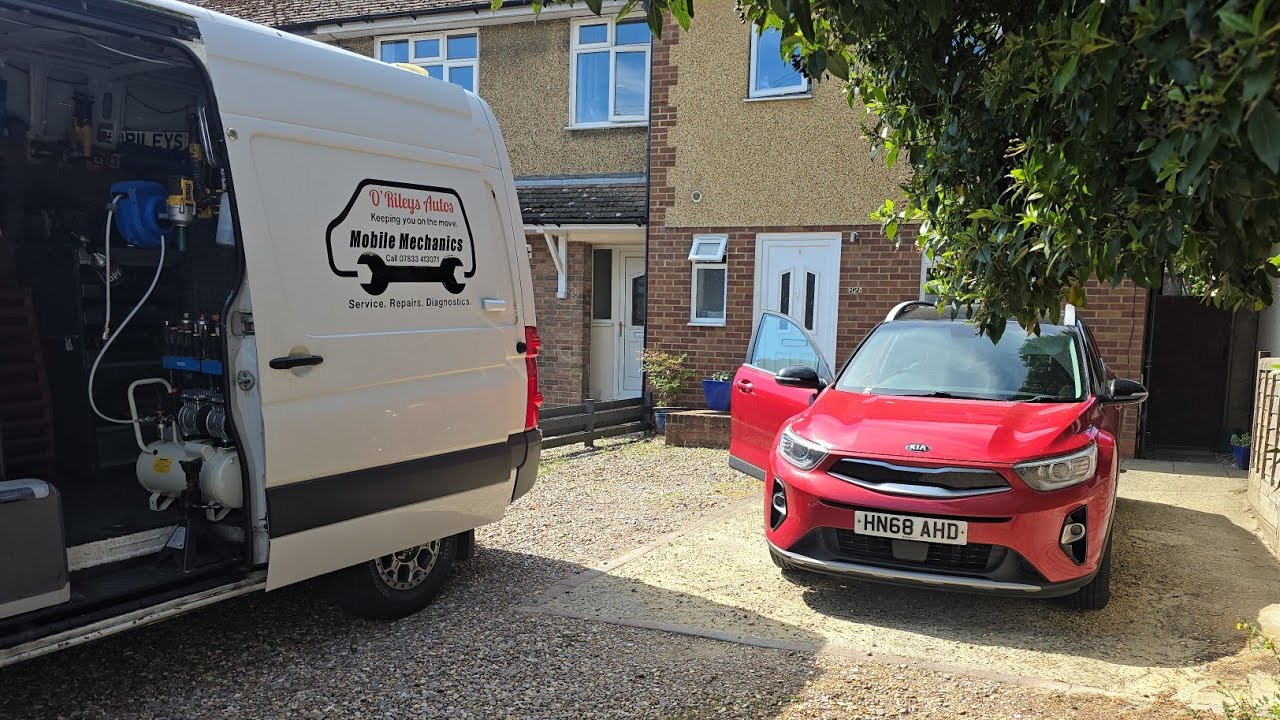
A Kia Stonic diesel owner was facing a recurring DPF warning light that popped up on every drive after about 20 minutes. Despite visits to the Kia dealership and local garages, the problem remained unsolved. Interestingly, the Kia dealership was willing to carry out repairs but refused to diagnose the fault themselves, instead suggesting the customer get an external expert to handle the diagnosis first.
The first step was to connect a diagnostic scanner to the car’s OBD port.
Surprisingly, no fault codes appeared. This likely happened because previous garages had cleared any stored codes, and DPF fault codes can take from 20 minutes to several days of driving to show up again.
Checking Live Data: Sensor Readings and Odd Values
Since no fault codes were visible, the next step was to check live data from the car’s sensors. Key readings included:
DPF pressure sensor: showed a strange negative pressure value (-0.784 bar on first check).
Voltage reading from the sensor: hovered around 0.98 volts.
Exhaust temperature sensors: checked for accuracy.
Turning the ignition on and off did not reset or calibrate the sensor reading back to zero as it should. This showed the sensor or its software was likely faulty.
Testing the DPF Pressure Sensor Directly
Physically unplugging and re-plugging the DPF pressure sensor proved revealing:
When unplugged, the sensor reading jumped to a full 5-volt output, which is normal to show a disconnected sensor.
Pressure went artificially high when unplugged, and returned to the odd low voltage and negative pressure value when plugged back in.
While this suggested a faulty sensor, replacing it might not be the full solution.
Inspecting the DPF Condition
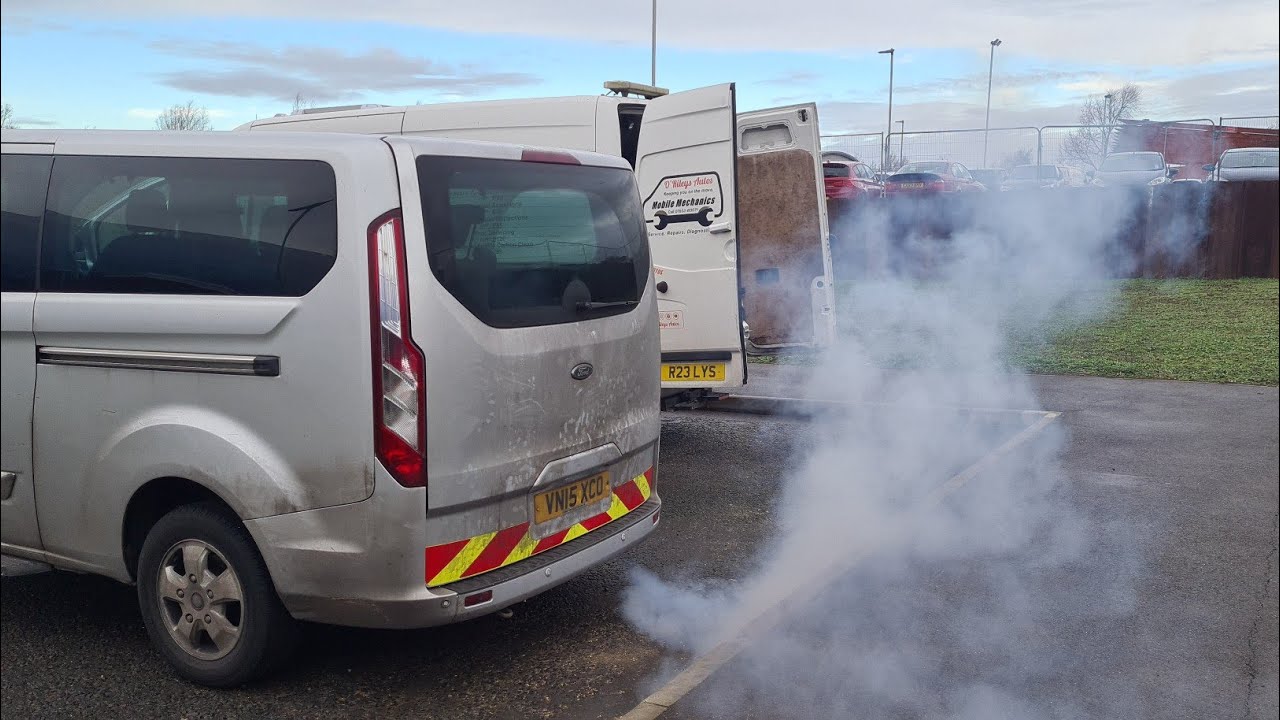
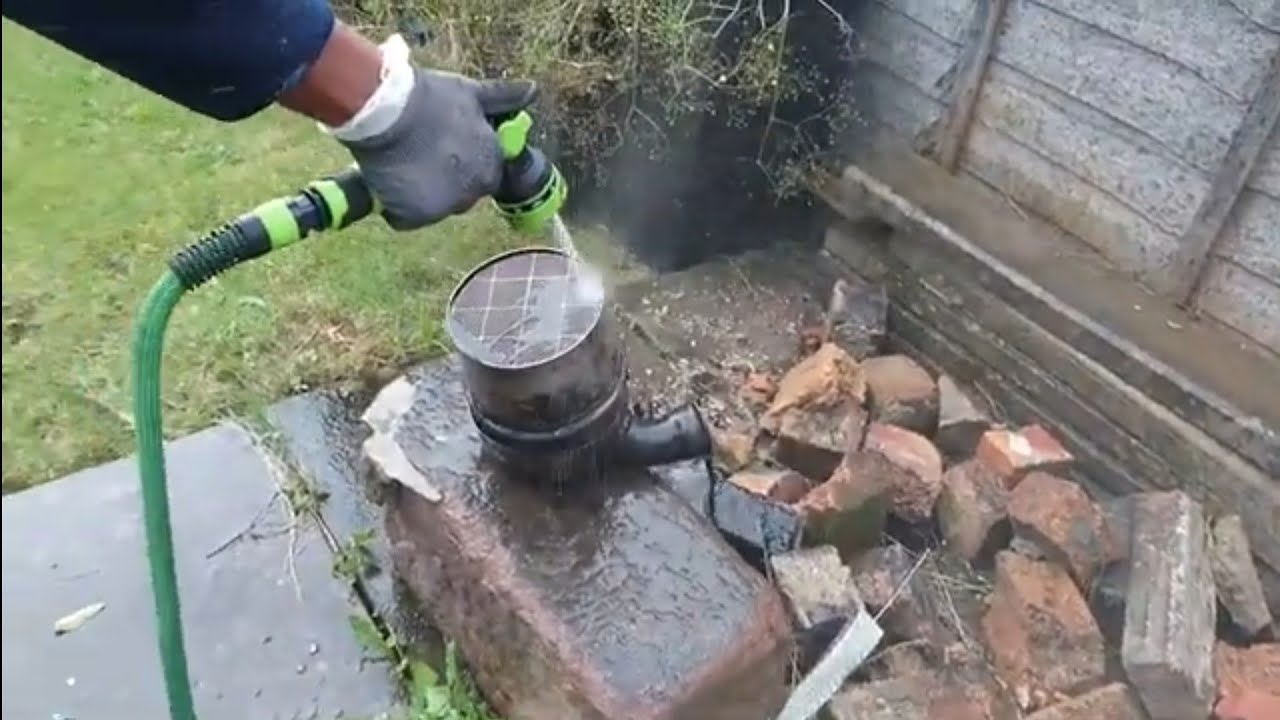
A manual swab test at the exhaust revealed a heavy soot build-up with chunks of black material that could be scraped off. This showed the DPF itself was damaged. The vehicle had two probable issues:
A failing DPF clogged with soot.
A malfunctioning pressure sensor.
Why Cleaning the DPF Isn’t Always Enough
Many customers want a simple DPF clean to fix warning lights. However, before cleaning, several checks are necessary:
Confirm the pressure sensor is working correctly.
Check if the vehicle is attempting to regenerate the DPF regularly.
Look for repeated regeneration attempts that suggest a damaged DPF.
Test for other issues like worn fuel injectors causing excess soot.
Trying to clean a damaged DPF or one affected by faulty sensors can waste money and leave the problem unresolved.
Common Causes & Additional Testing
Potential causes behind these DPF problems include:
Faulty fuel injectors overfueling and clogging the DPF.
Software and ECU issues affecting sensor readings.
Physical damage from incorrect fuel (more on this later).
Testing injectors requires specialised equipment, and checking Kia’s Technical Service Bulletins may identify software fixes.
Insights from Live Data on Regeneration Status
The live data also showed:
Distance since last regeneration: 56 km.
Regeneration status: failed.
Pressure during driving remained low (12-20 millibars).
A low pressure reading can delay regenerations, leading the car to drive long distances without attempting to clean the DPF automatically.
Replacing the Pressure Sensor: An Unexpected Result
A new NTK DPF pressure sensor, matching the original 3-pin connector, was fitted. Despite this:
Sensor readings did not improve.
Voltage remained at around 0.98V.
Negative pressure readings persisted.
This hinted at a deeper issue beyond the sensor hardware itself.
ECU and Software Issues Suspected
Since the physical replacement did not resolve sensor readings, this problem likely lies in the car’s software or ECU. Fixing it would require specialist Kia diagnostic tools or dealer-level software updates. This is outside the scope of a general mechanic’s role.
Fuel Mix-up as a Potential Root Cause
The customer revealed the issue started after accidentally putting petrol in the diesel tank. The car broke down, requiring fuel drainage and a new filter. Since then, the DPF faults have continued. Petrol in a diesel engine can cause injector damage and harm the DPF, possibly explaining the sensor and filter problems.
Summary and Next Steps
The Kia Stonic’s issues boil down to two faults: a damaged DPF with heavy soot buildup and a DPF pressure sensor fault that is likely software-related. While the sensor was replaced, software adjustments are needed to correct the pressure readings. After the software fix, fitting a new DPF may be necessary to bring the car back to full health.
This case highlights why a thorough assessment is essential before rushing into DPF cleaning or replacement.
If you’ve seen similar DPF sensor problems or software glitches, sharing your experience can be invaluable.
Доступные форматы для скачивания:
Скачать видео mp4
-
Информация по загрузке: