[Review] Introduction to Econometrics (H STOCK JAMES & W. WATSON MARK) Summarized
Автор: 9Natree
Загружено: 2026-01-20
Просмотров: 4
Introduction to Econometrics (H STOCK JAMES & W. WATSON MARK)
Amazon USA Store: https://www.amazon.com/dp/935286350X?...
Amazon Worldwide Store: https://global.buys.trade/Introductio...
eBay: https://www.ebay.com/sch/i.html?_nkw=...
Read more: https://mybook.top/read/935286350X/
#econometrics #regressionanalysis #causalinference #instrumentalvariables #timeseries #IntroductiontoEconometrics
These are takeaways from this book.
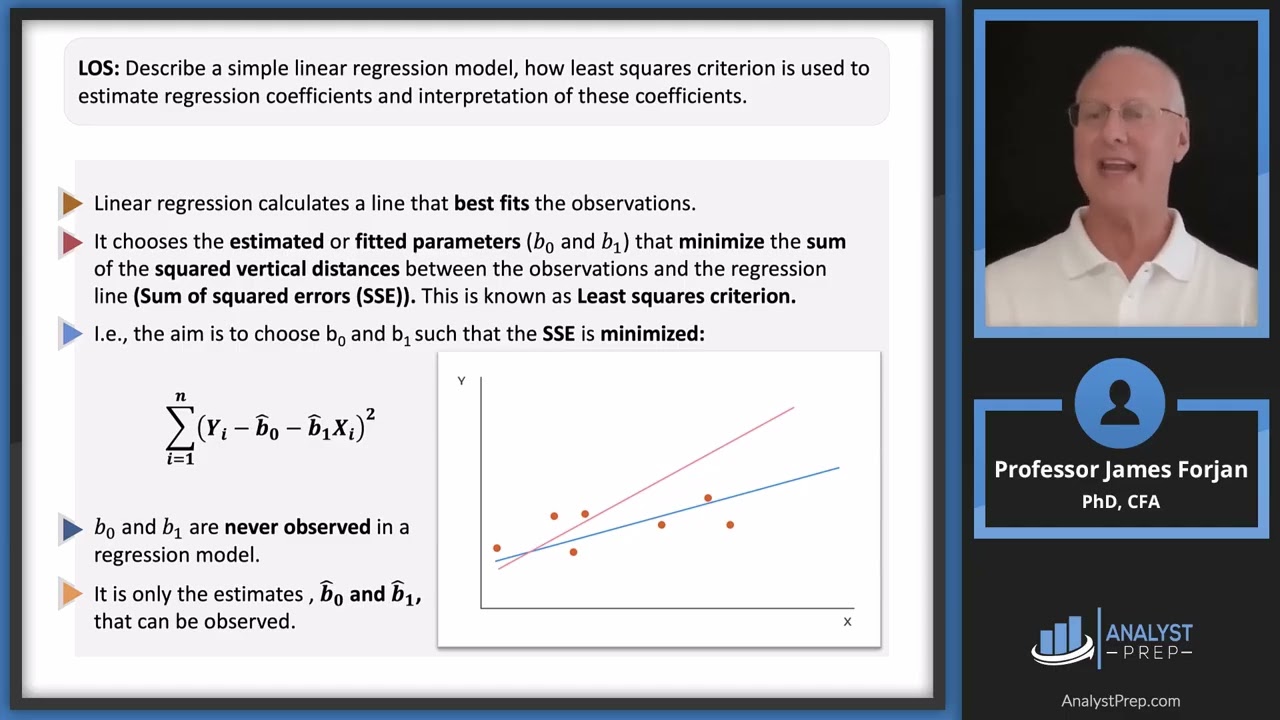
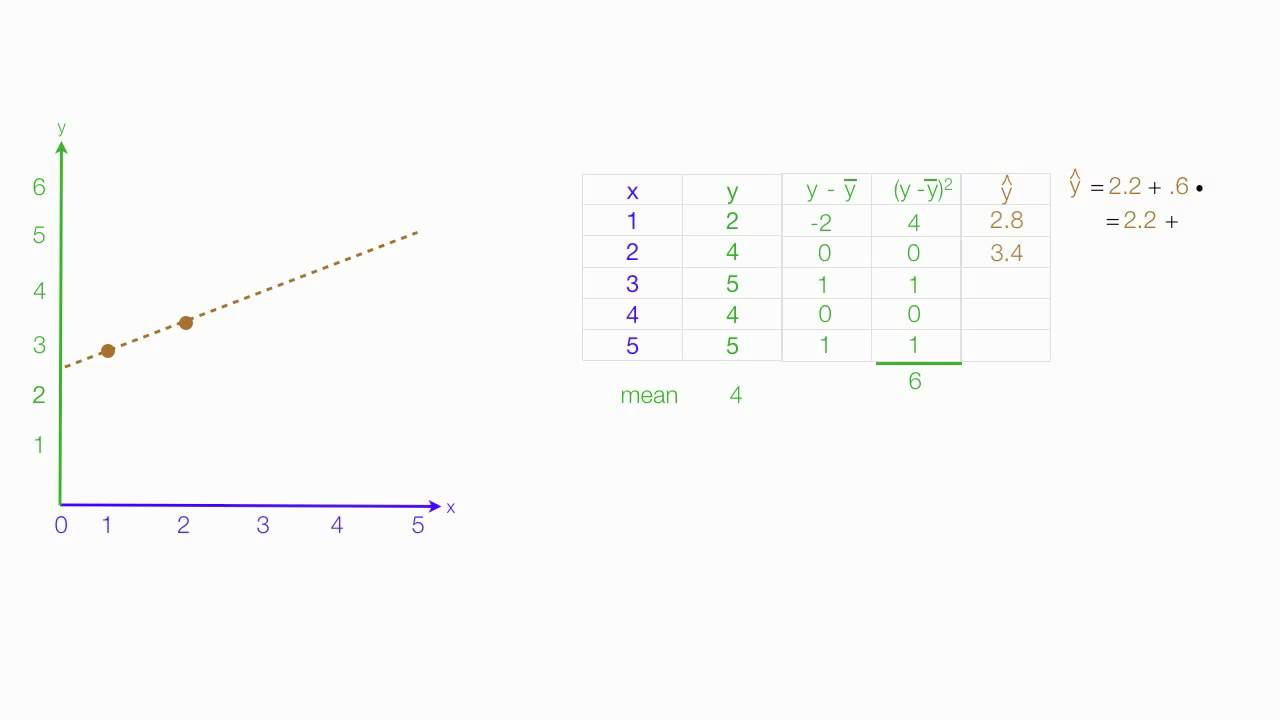
Firstly, Regression as a Tool for Causal Questions, A central theme of the book is using regression to learn about cause and effect, not just correlation. It frames econometrics around questions like how education affects earnings, how taxes affect employment, or how prices affect demand, then shows how to translate those questions into variables, models, and testable implications. The authors emphasize interpreting coefficients as ceteris paribus effects and distinguishing between the population relationship and what is observed in a sample. Readers are guided through the meaning of the error term and why it matters for causal interpretation. The discussion connects economic reasoning to statistical modeling choices, helping students see that econometrics is a disciplined way to approximate a complex world. Along the way, the text builds intuition for what a regression line represents, how slope estimates are computed, and what it means for an estimate to be unbiased or consistent. It also stresses practical interpretation, such as turning a coefficient into a real world statement about dollars, probabilities, or percentage changes, and being explicit about the assumptions required for those statements to be credible.
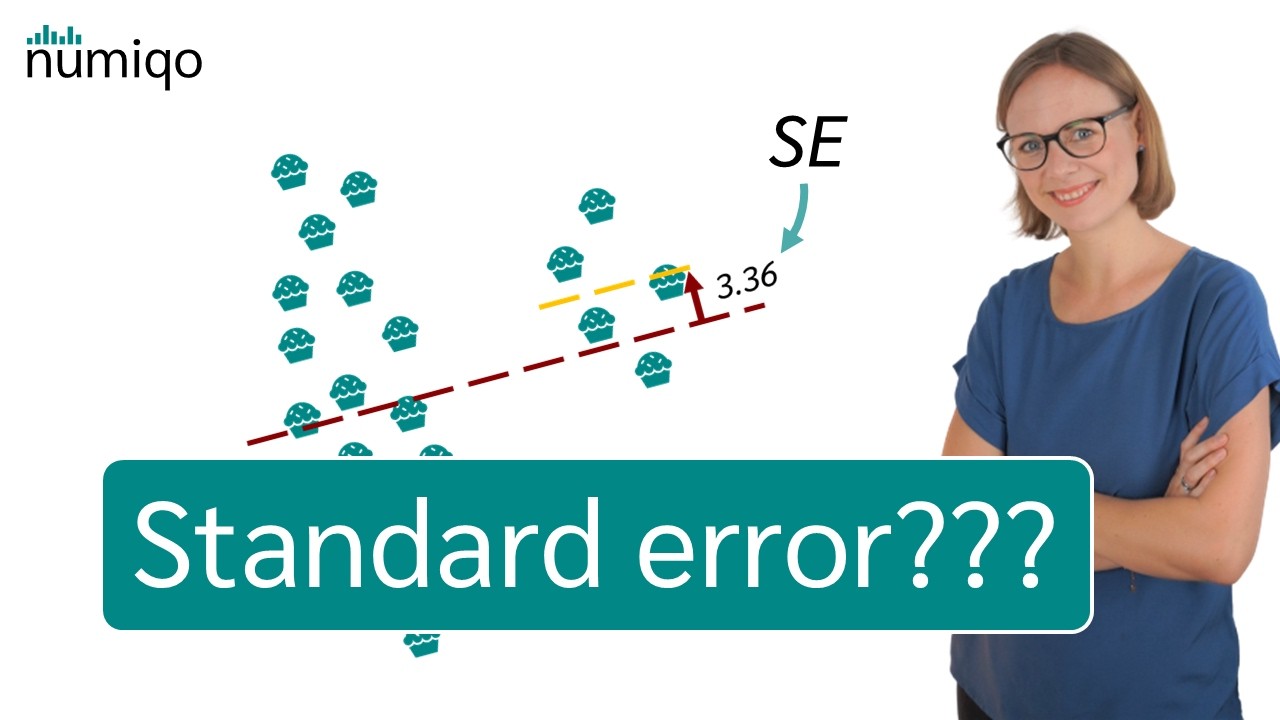
Secondly, Statistical Inference, Uncertainty, and Model Fit, The book develops the logic of inference that allows a reader to judge whether an estimated relationship is precise enough to be useful. It explains sampling variation, the role of standard errors, and how confidence intervals summarize uncertainty more informatively than a single point estimate. Hypothesis testing is presented as a structured way to evaluate claims, including tests about individual coefficients and joint restrictions across multiple variables. The authors also address goodness of fit measures such as R squared and why model fit alone is not evidence of causality. A major contribution is the careful connection between formulas and interpretation: what assumptions justify using t statistics, how p values should and should not be interpreted, and how significance differs from economic importance. The text also highlights practical concerns, including how outliers or influential observations can distort results and how to think about specification decisions. By grounding inference in real decision contexts, the book equips readers to present results responsibly, quantify uncertainty, and avoid overconfident conclusions based on noisy data.
Thirdly, Multiple Regression and Omitted Variable Bias, Multiple regression is introduced as a way to control for confounding factors and isolate a relationship of interest. The book explains how adding relevant control variables can change coefficient estimates and why the interpretation becomes conditional on holding other variables fixed. A key topic is omitted variable bias: when an excluded factor is correlated with an included regressor, the regression coefficient can capture both the true effect and the influence of the missing factor. The authors provide intuition for the direction and magnitude of bias, linking it to correlations among regressors and the causal role of the omitted variable. This topic helps readers understand why naive comparisons can be misleading and why research design matters as much as computation. The text also treats functional form choices and the use of indicator variables for groups or policy changes, which is essential for applied work. Practical guidance includes diagnosing multicollinearity, understanding how it inflates standard errors, and thinking carefully about which controls belong in a model versus which controls could introduce bad conditioning. Together, these ideas build a disciplined approach to specification and interpretation.
Fourthly, Time Series and Forecasting in Economic Data, Economic data often evolve over time, and the book explains how time series settings differ from cross sectional analysis. It introduces patterns like trends and seasonality and shows how serial correlation in errors affects standard errors and inference. Readers learn why observations over time are not independent and how that changes both the interpretation of results and the reliability of conventional tests. The text covers dynamic regression ideas, including lags, and emphasizes forecasting as a pr
![[Review] Introduction to Econometrics (H STOCK JAMES & W. WATSON MARK) Summarized](https://imager.clipsaver.ru/XqpYfen2uUI/max.jpg)
Доступные форматы для скачивания:
Скачать видео mp4
-
Информация по загрузке:
![[Review] Basic Statistics in Business and Economics (Douglas A. Lind) Summarized](https://imager.clipsaver.ru/33FoWNKeIgE/max.jpg)


![[Review] Causal Inference: The Mixtape (Scott Cunningham) Summarized](https://imager.clipsaver.ru/YETtFzuhzUE/max.jpg)


![[Review] Grand Transitions: How the Modern World Was Made (Vaclav Smil) Summarized](https://imager.clipsaver.ru/2W_pNoegr40/max.jpg)



![[Review] Mastering 'Metrics: The Path from Cause to Effect (Joshua D. Angrist) Summarized](https://imager.clipsaver.ru/MBWpN450oxM/max.jpg)