Best Practice to Avoid Ship Whale Strikes | The Nautical Institute
Автор: The Nautical Institute
Загружено: 2025-10-21
Просмотров: 172
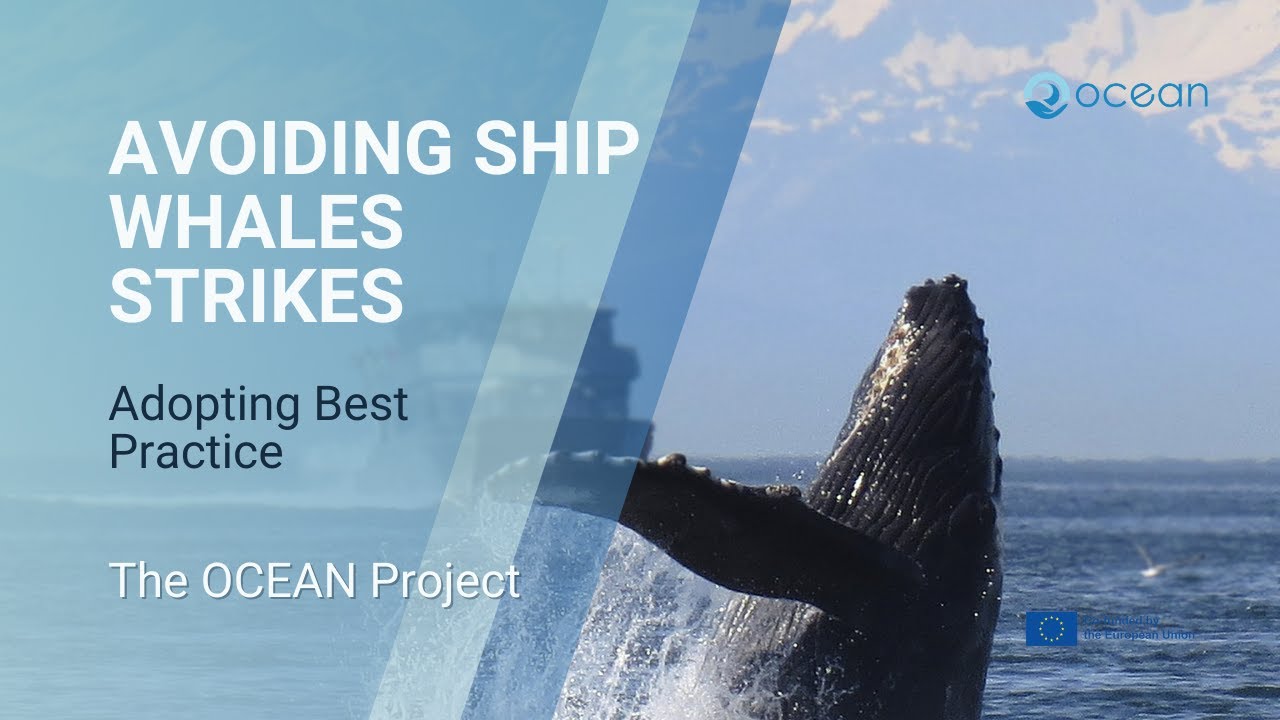
The ocean is home to magnificent creatures like whales. However, with more ships sailing, tragic accidents occasionally happen. The shipping industry is responsible for protecting whales from collisions that can cause severe damage to both the ship and the whale.
This video discusses the issue of cetacean ship strikes as a pressing international concern brought to the forefront by the International Maritime Organization (IMO). It highlights the growing risk of tragic accidents between ships and whales due to the increasing number of vessels traversing the water.
Mariners face the challenge of spotting whales in tumultuous seas or dim light. The need to anticipate their presence makes this task even more difficult. Navigational charts are evolving to include high-density whale areas and migration pathways, which are essential for reducing sea accidents.
Companies with exemplary whale protection protocols advocate for reduced speeds upon sighting a whale. They recommend wide berths around these leviathans. The faster the vessel, the deadlier the potential harm. Travelling through critical habitats at night should be minimised or avoided altogether. Changing course behind rather than ahead of a detected whale reduces collision risks significantly.
Reporting sightings plays a crucial role, too. Vigilant lookouts must communicate any observations promptly. Detailed reporting within 24 hours is imperative in unfortunate strikes and notifying local authorities.
Key points discussed include:
Growing Concern: International concern is mounting over ship strikes as maritime traffic increases. Detection challenges for navigators are underscored, especially under difficult conditions.
Importance of Awareness: Emphasising the need for enhanced awareness among seafarers regarding whale populations and migratory routes through improved mapping and voyage planning.
Voluntary Actions & Good Practices: Examples from sensitive areas like the north-western Mediterranean Sea illustrate voluntary cautionary measures such as speed reduction and wide-turn manoeuvres around detected cetaceans.
Speed Considerations: The correlation between high-speed vessel travel (14 knots or faster) and severe injuries to whales is noted; slower speeds significantly reduce collision risk.
Navigation Tips:
Minimise travel through known whale habitats
Avoid head-on approaches
Steer behind a whale's path rather than crossing ahead
Maintain safe distances
Reporting Protocols: The importance of reporting both sightings and collisions with detailed accounts to authorities highlighted alongside logbook entries.
The video stresses protecting the marine ecosystem and reducing human impact on marine life. Mitigation strategies such as enforcing speed limits, rerouting, and awareness programs can minimise collision mortality rates. Voyage planning that includes marine life is vital to preserve their natural habitat.
Rerouting shipping lanes away from crucial habitats and enforcing speed limits are some of the strategic interventions. Crews can also take training courses to increase awareness about marine life conservation efforts.
The OCEAN Project concluded on 30 September 2025, marking the end of three years of research and innovation supported by the European Union and UK Research and Innovation. Its legacy continues through the publicly available resources, training materials, and tools designed to make navigation safer for all.
Chapters:
00:07 The OCEAN
01:00 Vessel damage
01:42 Observing Marine Life
02:28 The World Shipping Council
03:04 The Impact of Speed
04:06 Avoiding Whales
04:26 Reporting Whales
05:35 Reducing Mortality
06:41 Close
For more information about The OCEAN Project, visit: https://ocean-navigation-awareness.eu/
Download the list of video references: https://ocean-navigation-awareness.eu...
#maritimetraining #navigation #whales
© OCEAN Project 2025
The Nautical Institute is a non-governmental organisation (NGO) with consultative status at the International Maritime Organization (IMO). Our aim is to promote professionalism, best practice and safety throughout the maritime industry and to represent the interests of our members.
Join our Membership
https://www.nautinst.org/membership/j...
----------------------------------------------------------------------------------------
Take our course
https://www.nautinst.org/ni-academy.html
----------------------------------------------------------------------------------------
Shop with us
https://www.nautinst.org/shop-listing...
The Nautical Institute
200B Lambeth Road, London, SE1 7JY
T:+44 (0)20 7928 1351
E: sec@nautinst.org W: www.nautinst.org
The Nautical Institute is a Registered Charity No.1002462
Доступные форматы для скачивания:
Скачать видео mp4
-
Информация по загрузке: