Rising and Falling Intonation
Автор: English Pronunciation Roadmap
Загружено: 2016-06-16
Просмотров: 484438
By Ashley Howard https://www.ashleyhoward.me/elocution...
Intonation Training eBook
https://englishpronunciationroadmap.c...
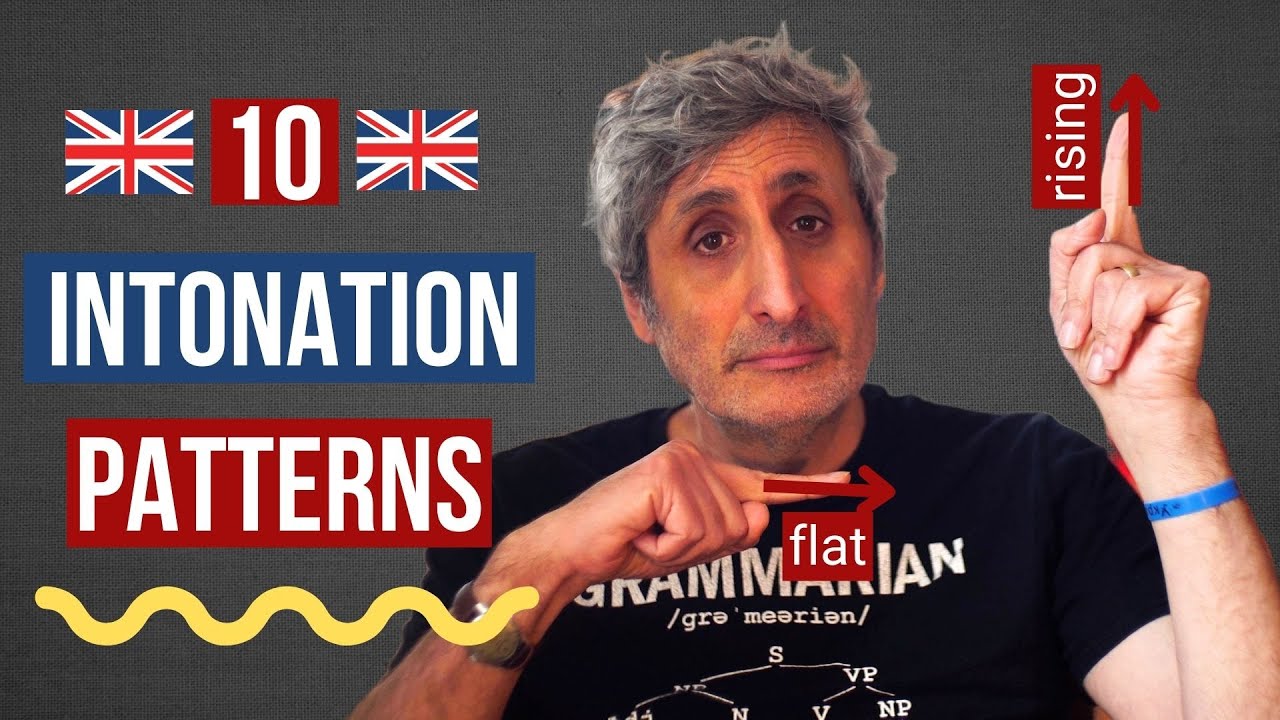
So I made a video a couple of weeks ago on intonation patterns in English and it seems to have gone down pretty well so I thought I’d make a video to expand on that very broad subject of intonation and talk more specifically about something called rising and falling intonation patterns in British English.
So if we’re talking about intonation, what we’re talking about really is pitch and the use of rhythm in speech. And the pitch and the rhythm start to add feeling and intention, because the meaning is really revealed in the language that we’re using and the construction of our sentences but the way we feel about what we’re saying is indicated through the use of pitch and the use of rhythm. So I guess we’re talking in a musical sense about how we’re using our voice as a musical instrument.
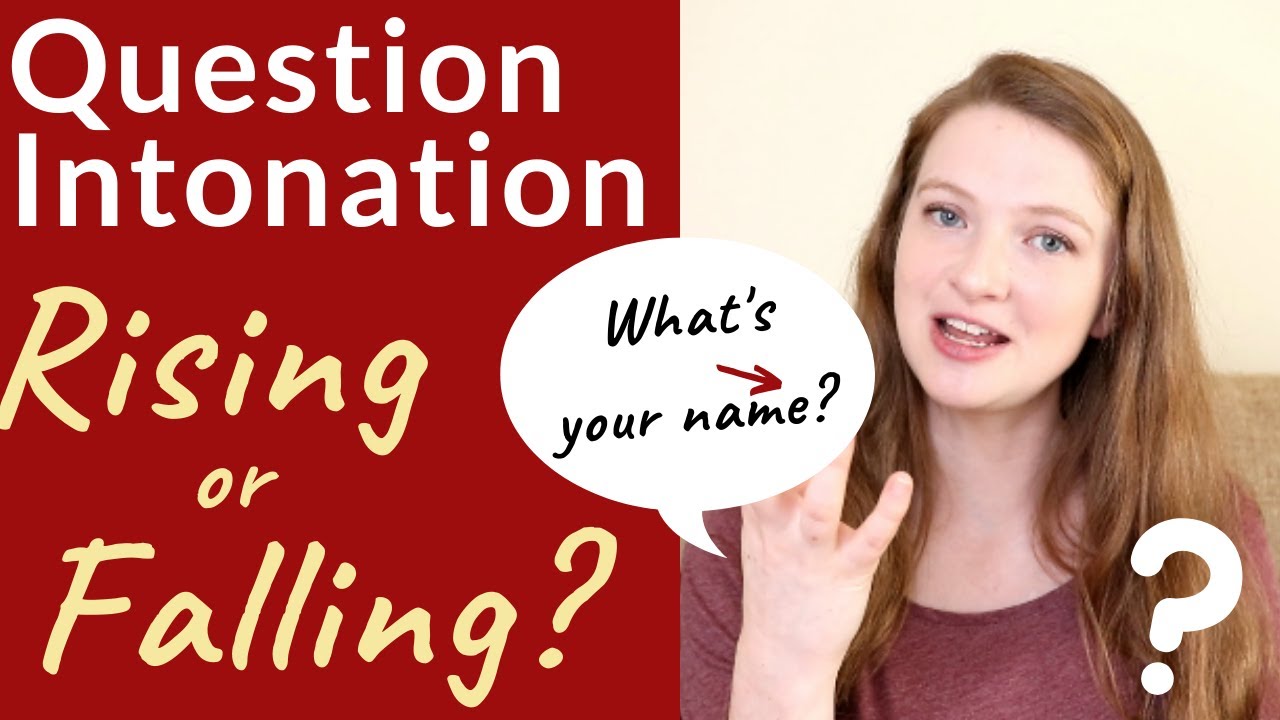
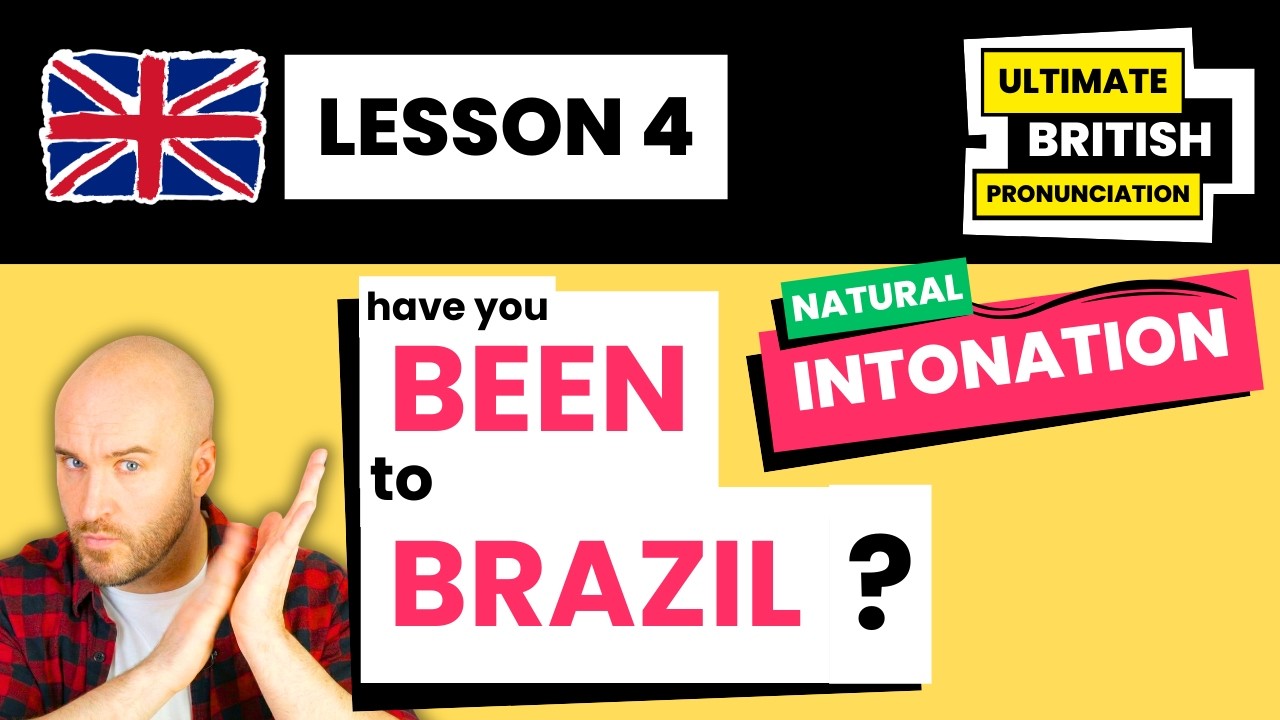
And so a rising intonation pattern would simply be a rise in the human voice; it would be a change in pitch; a glide in the pitch of our voice upwards. So for instance: ooo. Now we tend to use this rising intonation pattern when we’re asking questions. So the pitch of our voice tends to go up. So for instance: ‘when does the meeting start?’, ‘when does the meeting start?’, ‘start?’, can you hear that: ooo, ‘start?’ it rises, it comes up in the voice. ’would you like a cup of tea?’, ’would you like a cup of tea?’. So the question is a sort of way of sending out an invitation for some kind of response from whoever you’re speaking to.
I mean we do use this downward inflection, which I’ll talk more about in a moment, for some sorts of questions, but typically speaking we tend to use this upward inflection.
Another instance in which we would use this upward or rising inflection would be on lists: So if I’m saying, ‘I’d like some eggs, some milk, some cheese and some bread.’ And we would use a downward inflection ‘bread’ to say that we’ve finished the list but on the items before that we would use a rising inflection. So I would say, ‘eggs’, ‘milk’, ‘cheese’, ‘bread’, ‘I’d like some eggs, milk, cheese and bread.’
So on lists and most questions we would use this rising intonation pattern.
A falling or downward intonation pattern, would simply mean that the pitch of the voice drops down. So for instances: ooo, ooo. So I would say, for instance if I’m making a statement, ‘that’s wonderful’ , ‘that’s wonderful’. That’s one instance in which I would use a downward inflection.
Commands is another situation so I would say, ‘put that down!’, ‘put that down!’ , ‘go over there’, ‘stand against the wall’, yeah, downward inflection, ‘put that over there’ downward inflection.
So statements, commands and exclamations, those are the three instances in which we use this downward inflection. And we also tend to use this downward inflection (as I said with lists) at the end of our sentences, at the end of our content. So when we’re indicating that we’ve finished what it is that we want to say, again we tend to use this downward inflection.
But there is one more, there is something called a Circumflex Inflection. And you don’t need to remember that name, it’s a posh name, Circumflex Inflection. It basically stands for a pitch that rises, falls and then rises at the very end. And it’s not often talked about, and yet, especially in British English, we use it a lot, and we typically use it when we’re in the middle of our content, we’re in the middle of what we’re saying and we’re indicating to the listener, I just did it, ‘the listener’, that we haven’t finished what we’re saying yet, and then we do. And once we do we use a downward inflection. So this circumflex Inflection sounds bit like this: ooo, ooo, ooo. So it goes up, down, up, rise, fall, rise. So if i try to do that now, while I’m talking, what it suggests to you, is that I haven’t quite finished yet, and you’ll know when I’m finished, because I’m going to use this downward inflection, and it falls.
So if you’re in the middle of your conversations, and you don’t want anyone else to butt in or interrupt you, then using this circumflex inflection, will be a way to say ‘hey there, I haven’t finished what it is that I’m talking about, don’t interrupt me yet, but now I’ve finished and you can reply’.
So a rising intonation pattern would be: ooo. And we tend to use it for questions or for lists. A falling intonation, this downward intonation would be: ooo. And we tend to use that on exclamation, statements and commands and at the end of our sentences.
To read more of this transcription visit this post on my website:
https://englishpronunciationroadmap.c...

Доступные форматы для скачивания:
Скачать видео mp4
-
Информация по загрузке: