Is This Electrical Tool Even Safe?
Автор: Smarter Sparky
Загружено: 2025-12-19
Просмотров: 1694
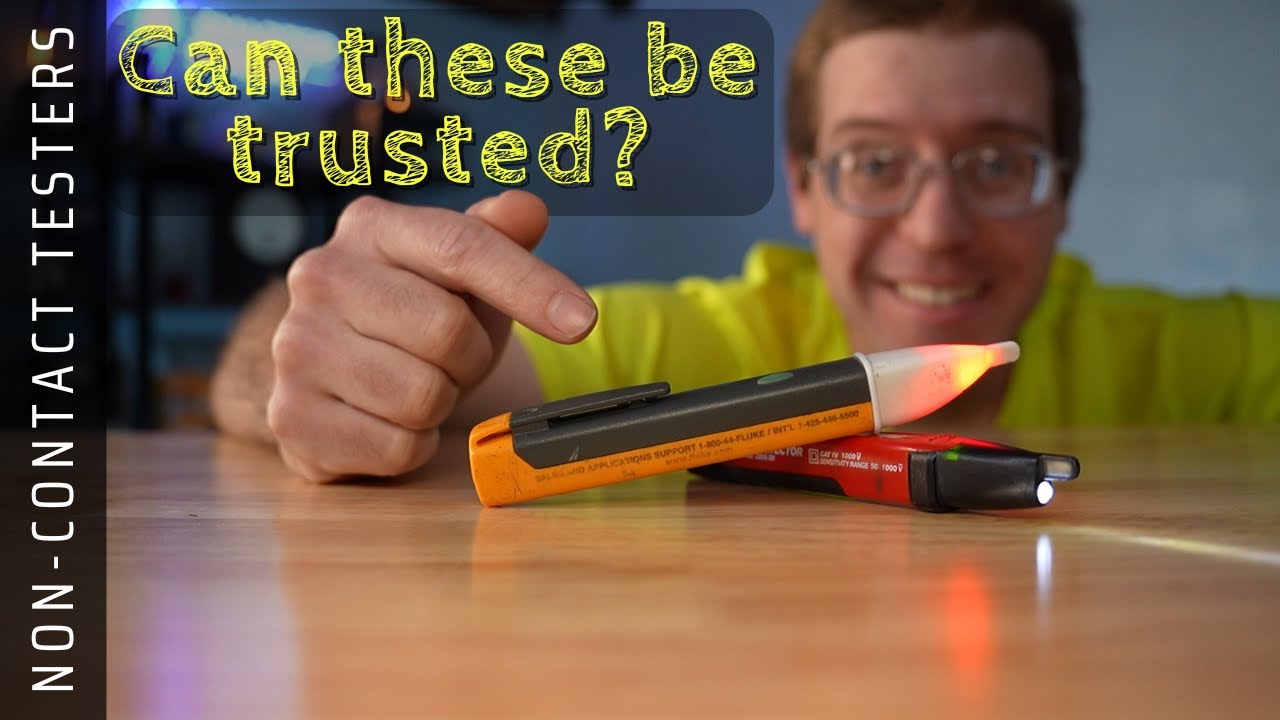
Non-contact voltage testers, often called tic testers, are a widely used tool in electrical work. In this video, I explain how tic testers work, what they’re good at, and—just as importantly—where they can give false readings.
We’ll look at real-world examples of false negatives and false positives, including ghost voltage caused by capacitive coupling, and why these tools should never be treated as a life-safety device. Tic testers are incredibly convenient, but they don’t actually measure voltage—and relying on them incorrectly can be dangerous.
This video is aimed at electricians, apprentices, DIYers, and anyone working around electrical systems who wants to understand the limitations of non-contact voltage testers and use them safely.
⚠️ Disclaimer: This video is for educational purposes only. Electrical work can be hazardous. Always follow applicable codes, safety procedures, and lockout/tagout practices. Non-contact voltage testers are not life-safety devices. Always verify de-energization with an approved contact voltage tester or multimeter before working on any circuit.
Timestamps
00:00 – Intro
01:36 – False negatives
02:31 – False positives
03:44 – Wrap-up
04:33 – Bonus footage
Доступные форматы для скачивания:
Скачать видео mp4
-
Информация по загрузке: