Java Coding - Dependency Inversion Principle
Автор: LCS Trading
Загружено: 2025-12-16
Просмотров: 23
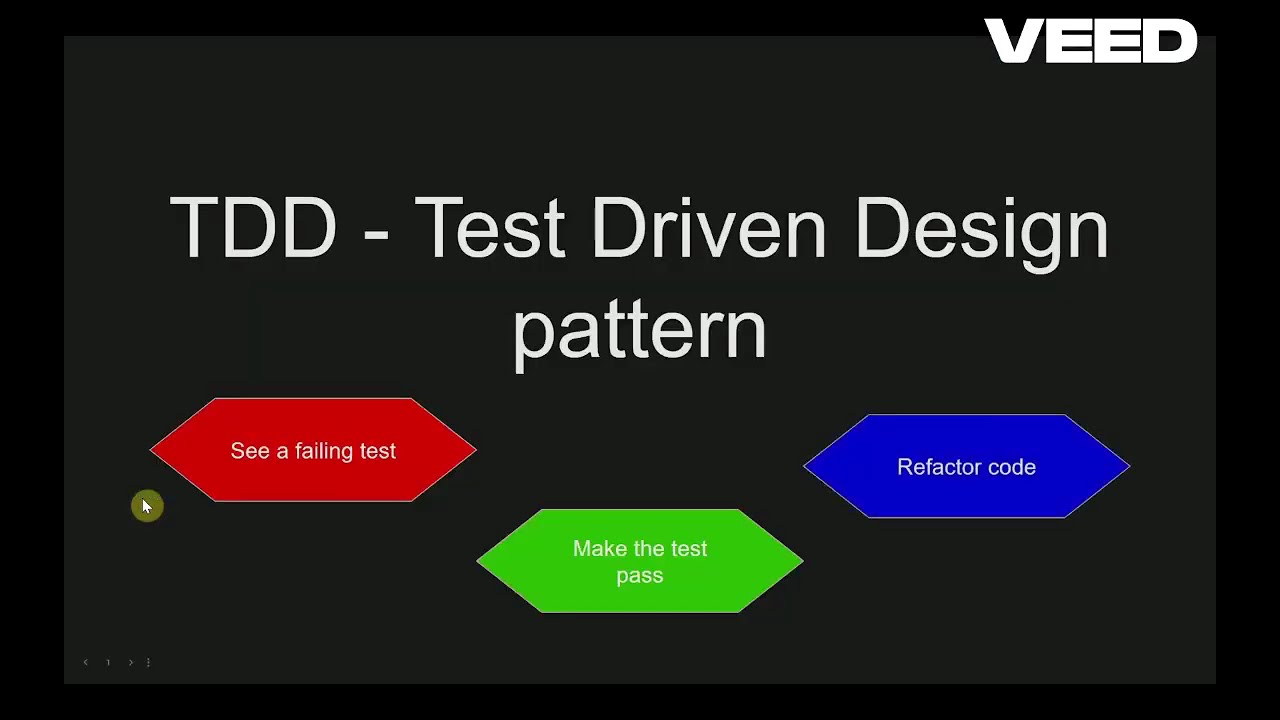
The TDD pattern involves writing a failing test first, then implementing the code to make the test pass.
Following the levels of abstraction, it's a common practice to start testing from the lowest level of abstraction (e.g., local municipality) and work your way up.
The Dependency Inversion Principle (DIP) states that high-level modules should not depend on low-level modules; both should depend on abstractions.
IntelliJ's refactoring tools can help you easily create and modify variables, methods, and classes to make the code compile and pass the tests.
Mocking can be used to simulate complex dependencies, allowing you to focus on testing the specific functionality being developed.
Conclusions and Decisions
Adopt the Test-Driven Design (TDD) pattern to improve the quality of your code by writing tests first.
Identify the levels of abstraction in your system and start testing from the lowest level, following the Dependency Inversion Principle (DIP).
Leverage IntelliJ's refactoring tools to efficiently modify your code and make it compile and pass the tests.
Use mocking to isolate the code being tested and focus on the specific functionality being developed.
Continuously refactor your code to maintain a clean and maintainable codebase.
Доступные форматы для скачивания:
Скачать видео mp4
-
Информация по загрузке: