Otto Ketting - Symphony for saxophones and orchestra
Автор: Dutch Composers
Загружено: 2013-01-29
Просмотров: 3002
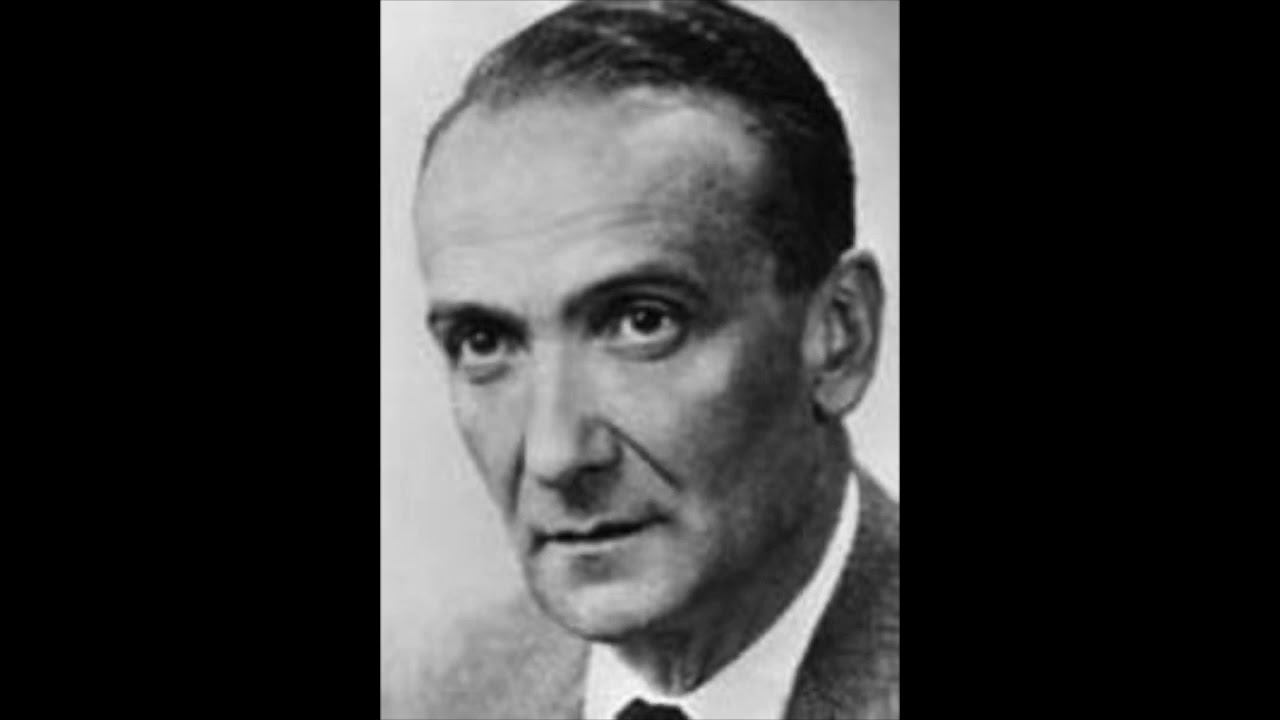
Otto Ketting (1935-2012)
Symphony for saxophones and orchestra (1977-1978)
Nederlands Saxofoonkwartet
Orchestra: Concertgebouworkest
Conductor: Bernard Haitink
dedicated to the Nederlands Saxofoonkwartet
Otto Ketting was a Dutch composer. He studied the trumpet at the Royal Conservatory in The Hague and then received lessons in composition from his father, Piet Ketting. In 1954 he became a trumpeter with the Hague Resedentie-Orkest, but in 1961 he abandoned his post to study composition with Hartmann in Munich. Afterwards he devoted himself largely to composing, becoming a lecturer in composition at both the Rotterdam Conservatory and the Royal Conservatory. Ketting has also been active as a conductor, chiefly of 20th-century music.
In the early, sober and introverted Due canzoni (1957) and the exuberant First Symphony (1957-1959), the influences of Webern and Berg (both at the time still rarely heard in the Netherlands) are skillfully moulded to Ketting's own ends. Notable is the tension between horizontal and vertical aspects, between serialism and unambiguous tonal points of emphasis. This co-existence of atonality and tonality has remained a characteristic, particularly in Time Machine (1972), the Symphonie voor saxofoons en orkest (1977-1978), which contains references to Time Machine, and the Third Symphony (1990).
Ketting's style is a unique blend of Bergian expressiveness and Stravinskian objectivity, which the Symphonie voor saxofoons en orkest, in particular, shows need not be mutually exclusive. Indeed Ketting has in common with both these models a modernist aesthetic, which never allows for a simple tonality or neo-Romanticism. The tightly motoric yet lyrical Symphonie refers to other specific sources - jazz and minimalism, while the Third Symphony points to Mahler, Stravinsky again and Reich. However these remain at the level of allusions, never quotations, and are firmly embedded in the syntax. The Symphonie voor saxofoons en orckest also shows, like the earlier For moonlight nights for flute and 26 players (1973), a 19th-century virtuoso concertante style replaced by a considered exploration of the functioning of an individual or small group in relation to a larger body. Aside from this clearly politically inspired background, the result is one both able to surprise and to move. Ketting displays a more subdued, delicate side in the song cycle The Light of the Sun for soprano and orchestra (1978, rev. 1983) and above all in Summer Moon for soprano and small orchestra (1992).
Program note (Dutch): Zoals in vrijwel al mijn orkestwerken is het begrip 'orkest' ruim op te vatten, en nauwelijks in de zin van de conventionele symfonische bezetting. In dit geval voegen zich bij de vier saxofoons twee andere veelal gescheiden toegepaste groepen: koperblazers (6 hoorns, 5 trompetten, 4 trombones, tuba) en een zo groot mogelijk strijkorkest plus piano, marimba en vibrafoon. Bij de strijkers die veelal een soort spiegel van het sax-kwartet vormen, ontbreken als gevolg van die vierstemmigheid, de contrabassen.
Symfonie voor saxofoons en orkest - dat leek mij de sterkst mogelijke titel om aan te geven wat dit stuk niet is: een concert voor vier solisten met orkestbegeleiding. Al draait alles om vier saxen, het is geen concert, zelfs geen typisch concertant gedacht werk. Het sax-kwartet, prominent in het begin, verdwijnt gaandeweg in het ensemble, maar blijft voortdurend als een centrale controlekamer het muzikale verloop regelen, draagt al het materiaal aan, maar laat de uitwerking daarvan veelal onbaatzuchtig aan anderen over. Zo is, evenals in mijn For Moonlight Nights een maatschappelijk gegeven ingecomponeerd: hoe functioneert een individu of een kleine groep tegenover grotere of zeer grote groepen, is juist het contrast niet interessanter dan de versmelting. Vooropgezet plan was dat overigens niet, het zijn gegevens die men pas na voltooiing opmerkt.
Het ging tot nu toe voornamelijk over wat deze symfonie niet is. Over wat zij wel is heb ik al 164 pagina's geschreven. Zij vormen samen de partituur van dit werk en ik heb daar niets aan toe te voegen. Het werk werd bekroond op het Rostrum of Composers in Parijs en met de Matthijs Vermeulen-prijs van het Amsterdams Fonds voor de Kunst. - OTTO KETTING

Доступные форматы для скачивания:
Скачать видео mp4
-
Информация по загрузке: