ಬಯೋಲಾಜಿಕಲ್ ಬಳಕೆ ಮೂಲಕ ದಾಳಿಂಬೆ ಬೆಳೆ ಯಶಸ್ಸಿನ ಸೂತ್ರ: ಪ್ರತಿಕೂಲ ಹವಾಮಾನದಲ್ಲೂ 80 ಟನ್ ಉತ್ಪಾದನೆ!
Автор: International Phytosanitary Research and services
Загружено: 2026-01-11
Просмотров: 7317
Pomegranate thrives in soils rich in microbial diversity. Biologicals such as VAM, Trichoderma, Pseudomonas, AMC, PSB, and KSB
1. Building Soil Health Through Organic Manures: A biologically active soil becomes self‑sustaining, reducing dependence on chemical fertilizers.
Improve soil organic carbon cycling
Enhance soil structure and aeration
Increase water‑holding capacity
Support continuous root flushing
2. Use of Biological Inputs for Soil Microbial Strength
Vesicular Arbuscular Mycorrhiza (VAM)
Trichoderma
Pseudomonas
ARKA Microbial Consortium (AMC)
These biologicals help farmers by:
Improving nutrient uptake (especially phosphorus and micronutrients)
Protecting roots from soil‑borne pathogens
Enhancing root volume and branching
Increasing soil biodiversity and resilience
Because of this strong microbial activity, no wilt symptoms were observed, and the plants maintained excellent health.
3. Balanced Soil Nutrition for Strong Fruit Setting
Although water‑soluble fertilizers were not the main focus, soil‑based nutrition was managed carefully. Each plant received:
1 kg PolySulphate
1.5 kg rock phosphate
2 kg neem cake (in four intervals)
Castor cake, groundnut cake, and pongamia cake
This combination provided a slow‑release, balanced supply of nutrients such as sulphur, potassium, calcium, magnesium, phosphorus, and organic nitrogen. As a result:
Plants showed uniform growth
Fruits developed even size and good quality
Soil remained biologically active and fertile
Nutrient & Biological Input Management (PSB + KSB)
A 3000‑litre biological mixture was prepared for 4,300 plants.
For every 1,000 litres:
20 kg cotton cake
20 kg groundnut cake
5 kg jaggery
5 L PSB
5 L KSB
Applied at 3–5 day intervals, this mixture:
Kept white roots active
Improved nutrient uptake
Enhanced fruit colour and uniformity
4. Crop Management During Stress Conditions
An Ethrel (Ethephon 39% SL) spray was applied for defoliation. Since pruning had not yet been done, the Ethrel spray was followed immediately by pruning to synchronize growth.
Even during a period of continuous unseasonal rains, proper nutrition and biological support helped the crop recover. Initially, up to the 60th day, flower setting was poor (only 2–3 flowers per plant). However, once the stress was broken and the plants resumed flushing, fruit setting improved significantly after 60 days.
Disease Incidence & Management (Bacterial Blight)
Following the ethephon spray, the orchard experienced 50 rainy days out of 60, creating prolonged leaf wetness and ideal conditions for bacterial blight.
Disease progression:
Initial symptoms: 5 plants
Later spread: 60+ plants due to conducive weather
Management success:
Systematic disinfection
ICAR–NRC Pomegranate recommended protocols
Farm‑specific sanitation practices
Despite leaf infection, no blight symptoms appeared on fruits, proving effective containment and fruit protection.
Canopy Management, Stress Induction & Fruit Setting
Proper pruning and controlled stress produced a strong second fruit set, with many plants carrying 200+ fruits.
Fruit thinning ensured:
Optimal fruit load
Uniform development
Better size and colour
This avoided the common farmer mistake of retaining excess fruits.
Fruit Size, Colour & Yield
The orchard delivered excellent fruit quality.
Uniform colour and pigmentation
Fruit weights: 200 g to 600 g
One plant recorded 20 kg yield
Harvest completed on 23 November 2025
Expected yield: 14–28 kg per plant
Pest Management Using VERAXAA Herbal Liquid Soap adjuvant and azadirachtin 10000ppm
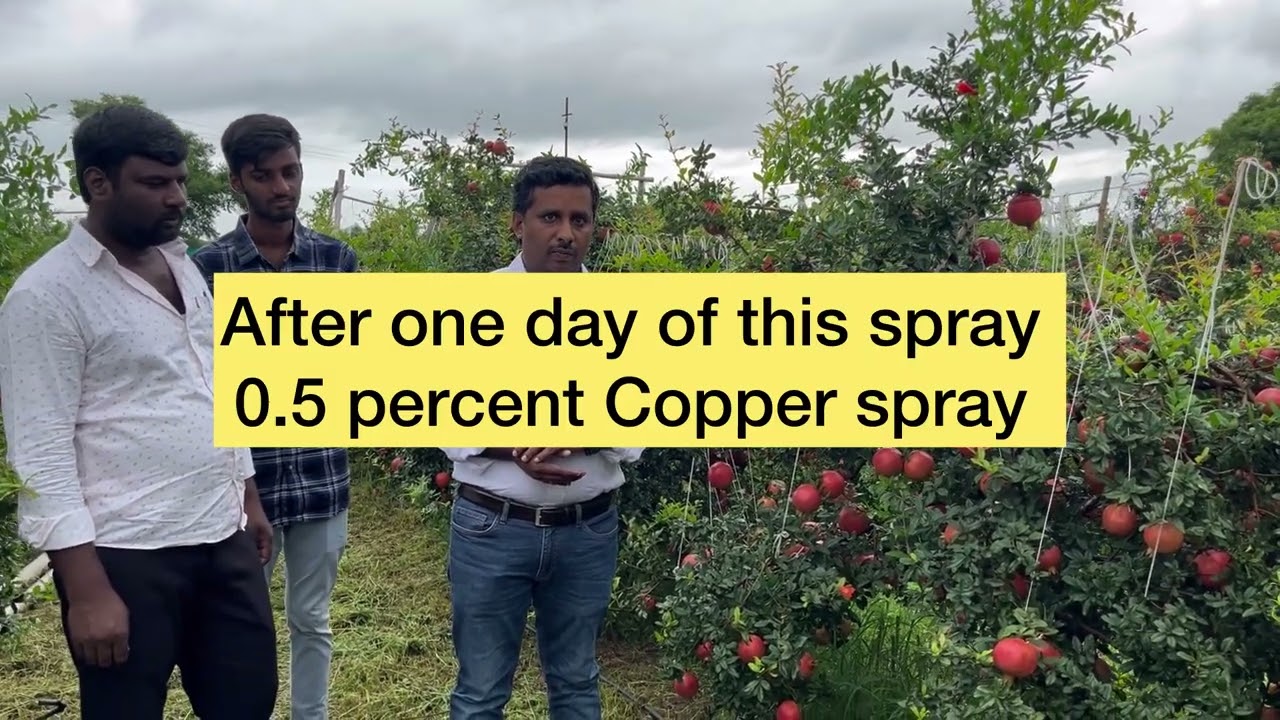
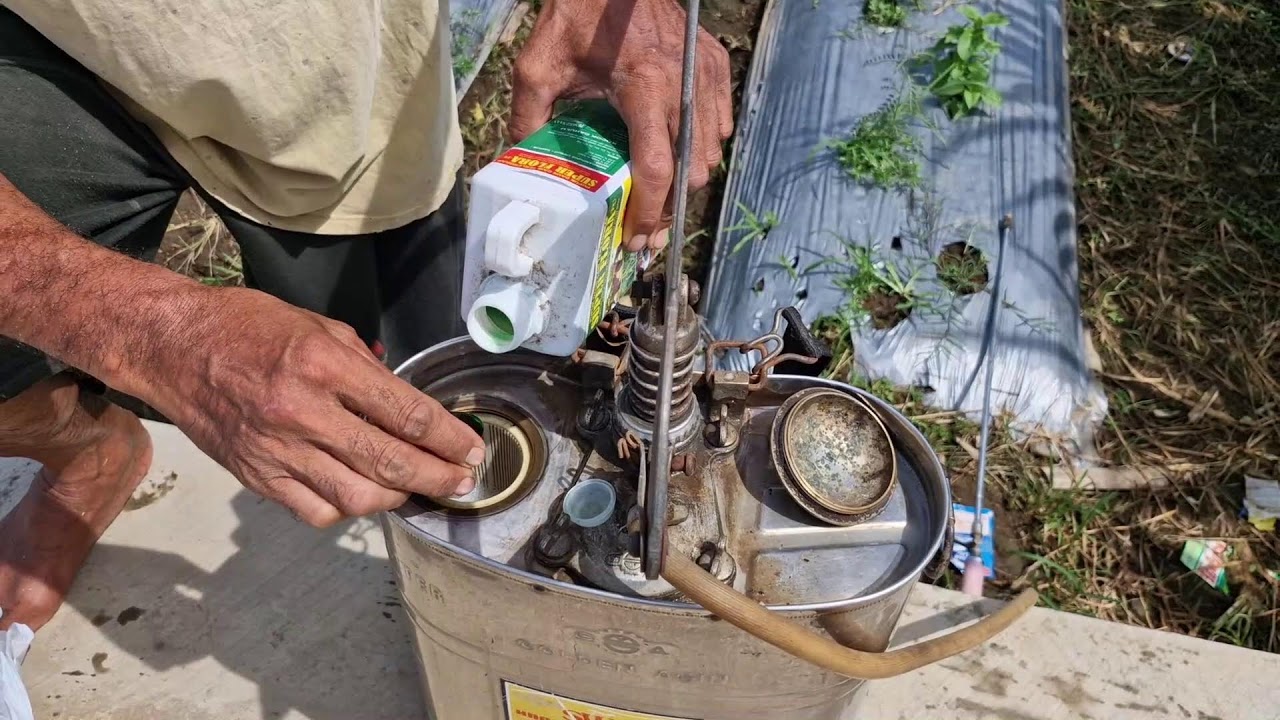
Rashvee’s VERAXAA herbal liquid soap was integrated into 10 spray schedules at 1 mL/L along with insecticides and fungicides, azadirachtin 10000ppm 1ml.
Pests effectively suppressed:
Aphids
Thrips
Mites
Fruit borer
The orchard maintained consistently low pest incidence throughout the season.
Fruit fly management - PhalRakshak -5ml per 200 ml of water, 10 traps per acre.
5. Fruit‑Sucking Moth Management
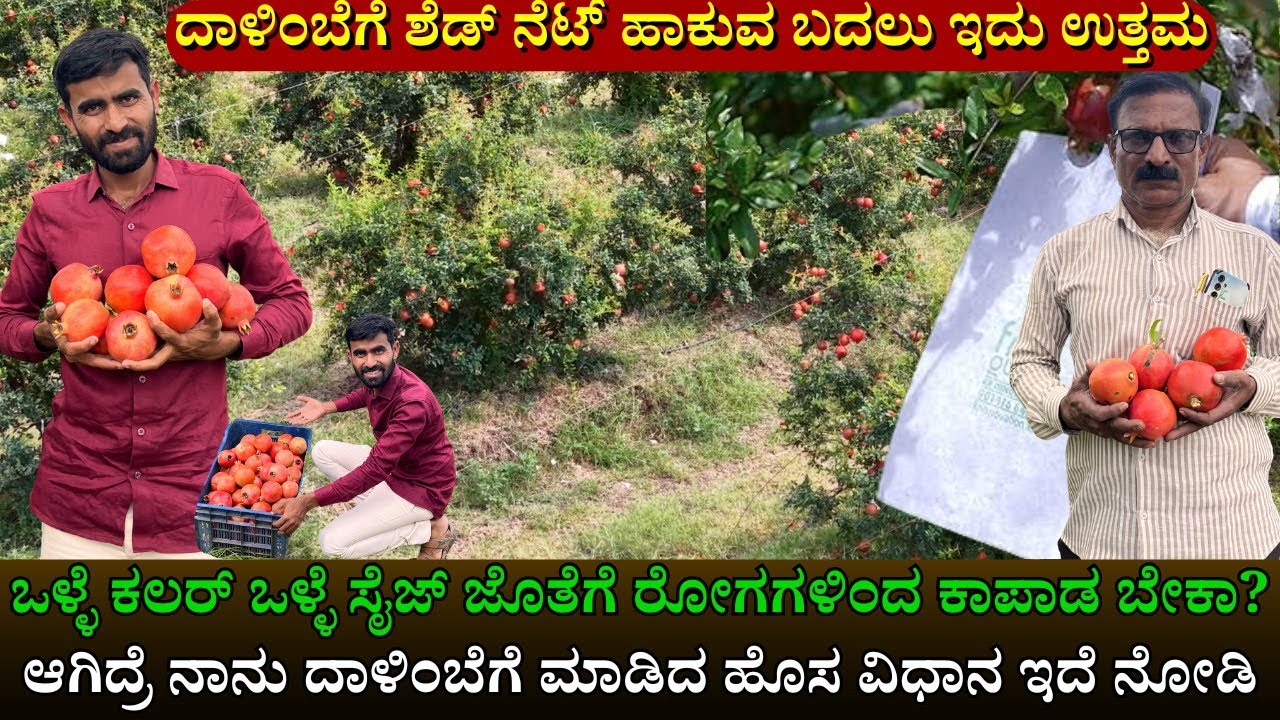
A 0.75‑inch protective net was installed across the orchard, providing near‑total exclusion of fruit‑sucking moths.
Observations:
Only areas with minor net damage showed injury on 1–2 fruits.
All other zones remained fully protected.
This validates physical exclusion as a highly effective IPM strategy under forest‑edge conditions.
6. Final Outcome: Healthy Soil, Healthy Plants, Quality Fruits
The combined use of FYM, biologicals, and slow‑release organic nutrients resulted in:
Healthy, disease‑free soil
Strong root systems
No wilt incidence
Uniform fruit size
Good fruit setting even under weather stress
Vigorous plant development
Final Yield Achievement
Pre‑harvest estimate: 70 tonnes
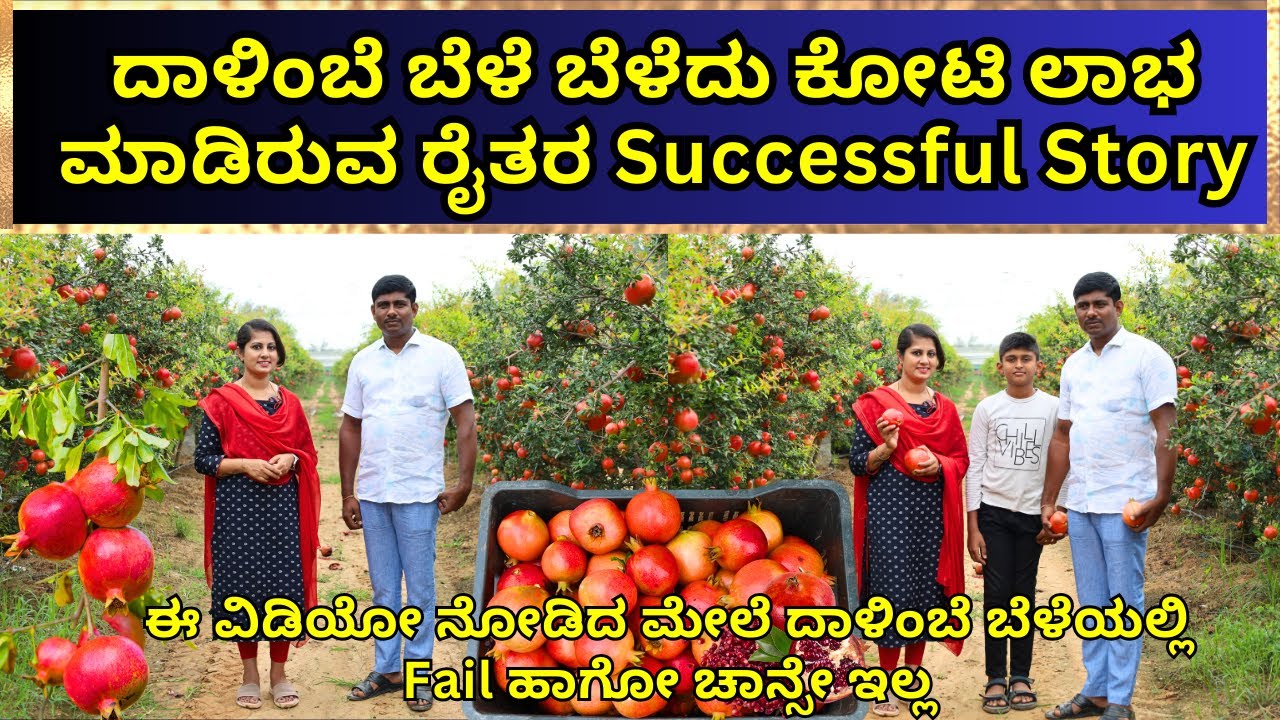
Actual yield: 80 tonnes (first crop)
Reasons for premium buyer acceptance:
Superior fruit quality
Uniform size
Excellent colour
Minimal pest and disease damage
-Residue free fruits

Доступные форматы для скачивания:
Скачать видео mp4
-
Информация по загрузке: