Growth Mobile computing Functional design| Cloud Native Applications|SNS Institutions
Автор: Kannan Msc
Загружено: 2026-01-16
Просмотров: 0
#snsinstitutions
#snsdesignthinkers
#designthinking
In 2025, the demand for "growth mobile applications" designed specifically for cloud-native architectures is skyrocketing, with the global market expected to reach $17.0 billion by 2028. A high-growth mobile application is no longer just a frontend; it is a modular, loosely coupled entity designed from the ground up to take full advantage of cloud characteristics like microservices, containerization (Docker), orchestration (Kubernetes), and serverless computing.
Functional Design Pillars
Designing a functional, growth-oriented cloud-native mobile app requires moving away from monolithic structures to a microservices architecture. This allows individual components—such as user authentication, payment processing, or content delivery—to scale independently in response to real-time traffic fluctuations. The functional design emphasizes:
API-First Approach: Using lightweight REST APIs or gRPC to connect the mobile frontend to backend services, ensuring loose coupling and enabling backend updates without breaking the frontend.
State Management: Moving state data out of the mobile app and into centralized, managed cloud data stores to ensure seamless continuity.
Offline-First Capabilities: Utilizing local caching and synchronization, a vital feature for high-user-engagement apps, allowing functionality even with intermittent connectivity.
The Role of Modern Tools
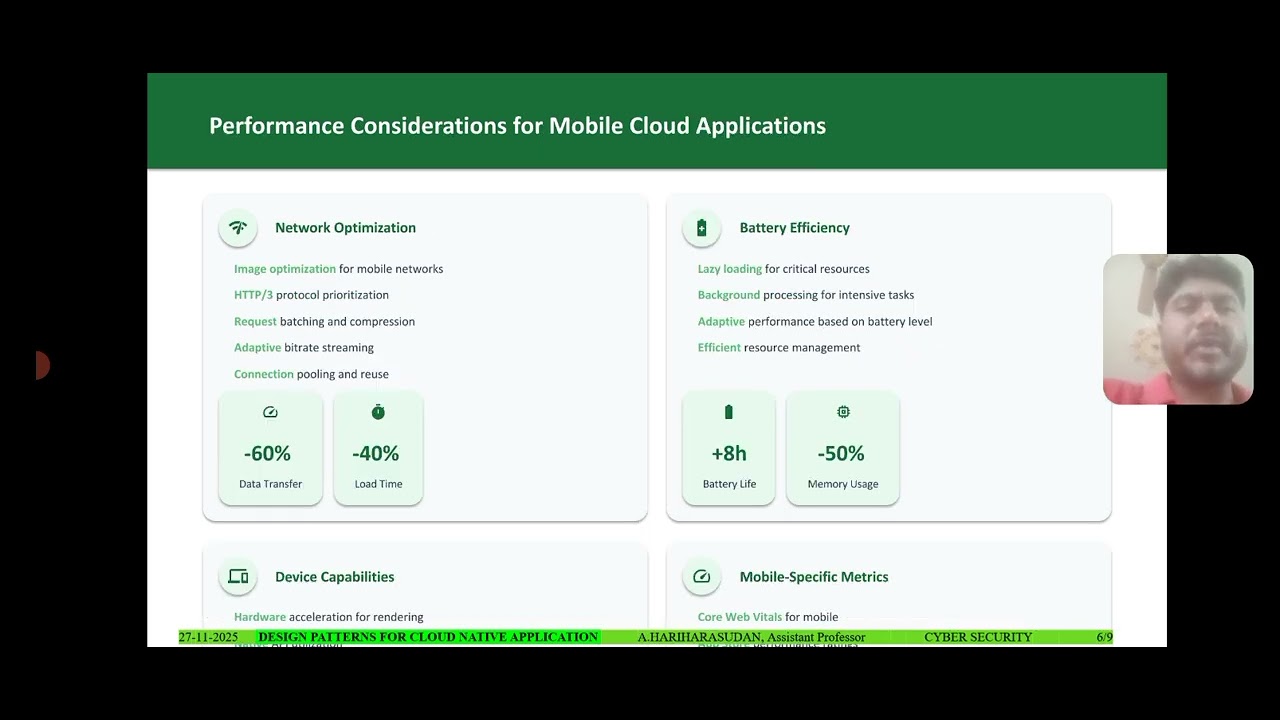
The modern toolkit for creating these apps has shifted towards rapid development. FlutterFlow, paired with Firebase, is a top choice in 2025 for building production-ready apps with complex logic and real-time database capabilities. For deeper customization, React Native with Expo provides a robust cross-platform experience that supports native device features like geolocation and camera access.
Containerization (Docker/Kubernetes): Essential for packaging app dependencies, ensuring consistent performance, and automating scaling during rapid user growth.
Low-Code/No-Code Tools: Tools like Mendix or AppSheet allow for rapid prototyping and deployment, ideal for MVPs (Minimum Viable Products).
Benefits and Growth Impact
Designing a mobile app for cloud-native infrastructure offers unmatched agility, enabling businesses to roll out new features daily. This architecture ensures high resilience and fault tolerance, maintaining a smooth user experience even during high-traffic surges, as resources are provisioned automatically. Furthermore, by leveraging public or hybrid clouds, companies drastically reduce upfront infrastructure investments, allowing them to pay only for the resources used, supporting sustainable, cost-effective growth.
Key Considerations
To succeed, developers must embrace DevSecOps principles, integrating security, continuous testing, and monitoring (using tools like Prometheus and Grafana) into the development lifecycle. The future of mobile applications lies in this modular, containerized approach, allowing businesses to remain competitive and responsive in a digital-first world.
Доступные форматы для скачивания:
Скачать видео mp4
-
Информация по загрузке:







![Официальное руководство по Power BI MCP — краткое руководство [ноябрь 2025 г.]](https://imager.clipsaver.ru/0ZRDTZm1iaI/max.jpg)