How monochrome analogue television works
Автор: Cambridge Museum of Technology
Загружено: 2022-07-11
Просмотров: 4038
Produced by Produced by Dr Bob Bates and Mr Richard Ellis for Pye History Trust at Cambridge Museum of Technology.
Visit the museum:
https://www.museumoftechnology.com/visit
https://www.pye-story.org
Like this video? Support the museum with a donation:
www.museumoftechnology.com/donate
About this programme:
The BBC’s television (TV) service in the UK started in 1936.
TV technology has since evolved from monochrome-analogue into large-screen, ultra-high definition digital-colour TV systems.
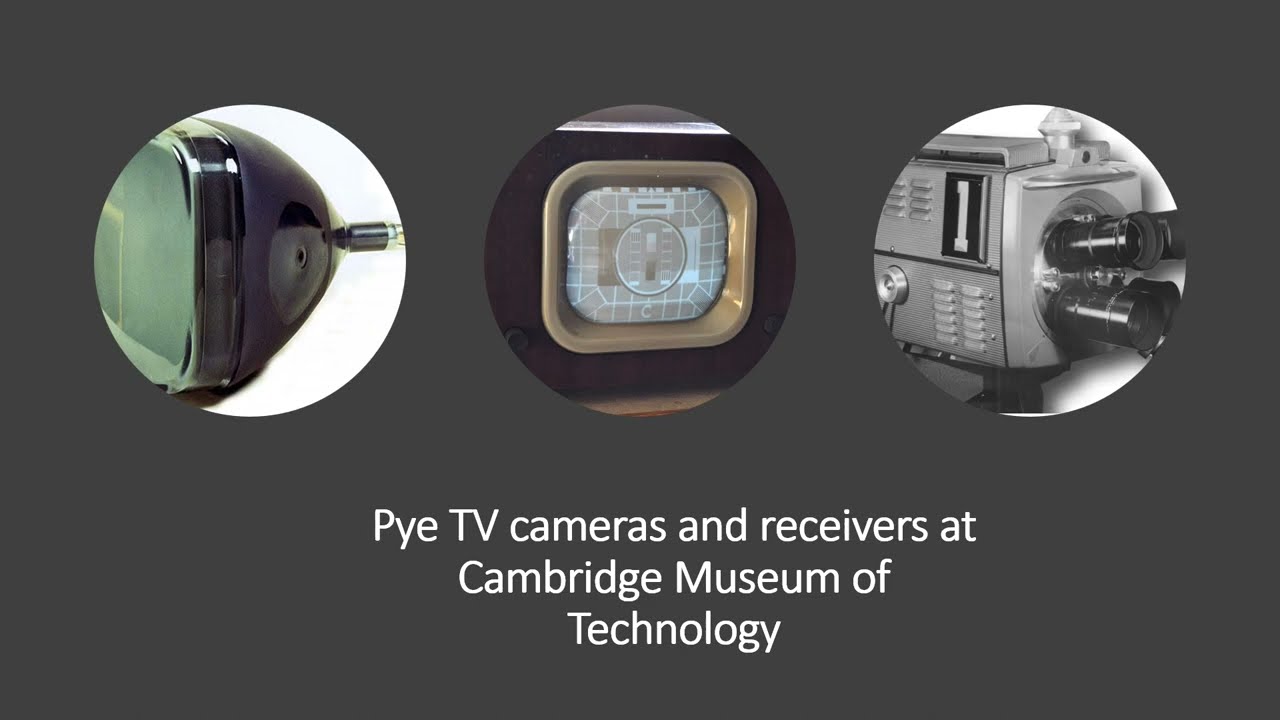
This video explains how the early analogue black and white television system worked, featuring examples from the Pye Exhibition at Cambridge Museum of Technology.
TV is a system for converting visual images into electrical signals, then adding sound and transmitting them by radio or other means and displaying them electronically on a screen (television literally means: "see at distance").
The video explains:
how an analogue TV camera captures a moving image and converts it into an electrical signal that can be broadcast by radio
how a TV receiver receives the radio signal and converts it back to an image that can be viewed.
Level: introductory (explains technical concepts and terms). Suitable for students (physics, electronics, engineering) and communications enthusiasts.
Produced: 2022
Accessibility: in English (UK) with subtitles
Subtitles: Jim Smith
Additional production for Cambridge Museum of Technology: Gordon Davies
Follow:
Facebook: / cambridgemuseumoftechnology
Instagram | Threads: / cambridgemuseumoftechnology
Twitter: / camtechmuseum
Доступные форматы для скачивания:
Скачать видео mp4
-
Информация по загрузке: