Gibbs Reflective Cycle - Definition, Pros & Cons (4 Minute Explainer)
Автор: Helpful Professor Explains!
Загружено: 2025-01-30
Просмотров: 6627
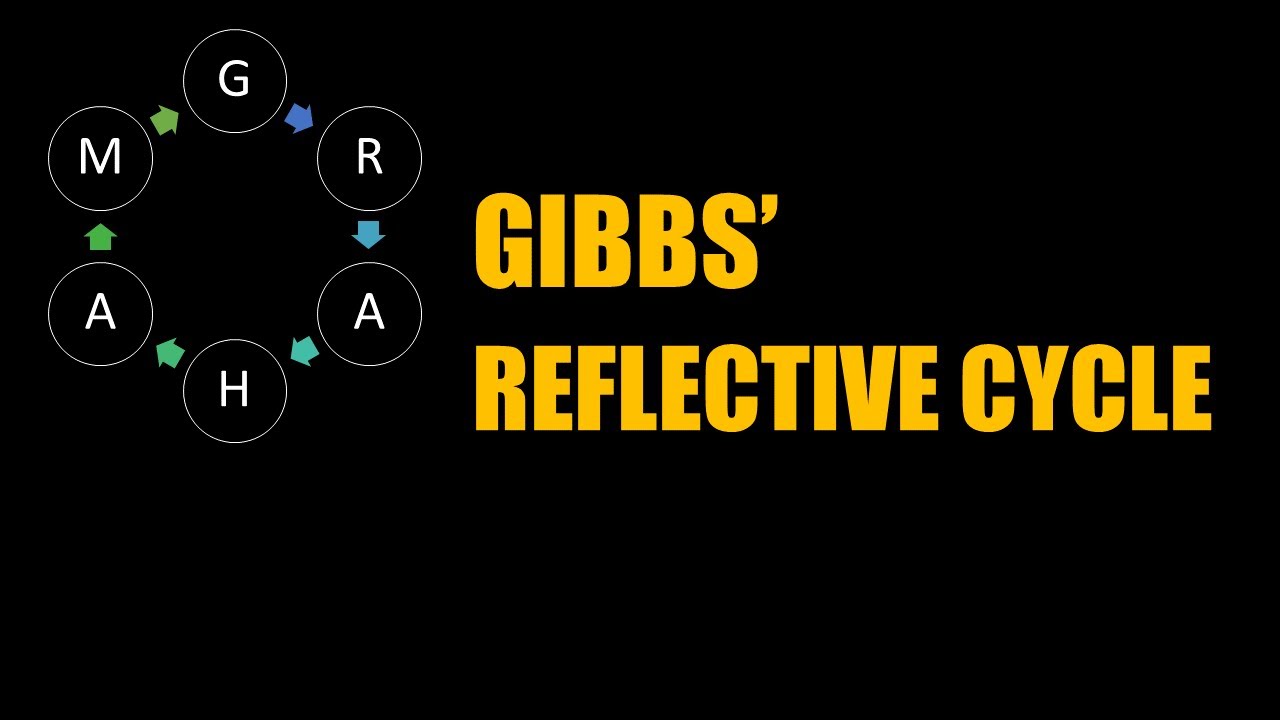
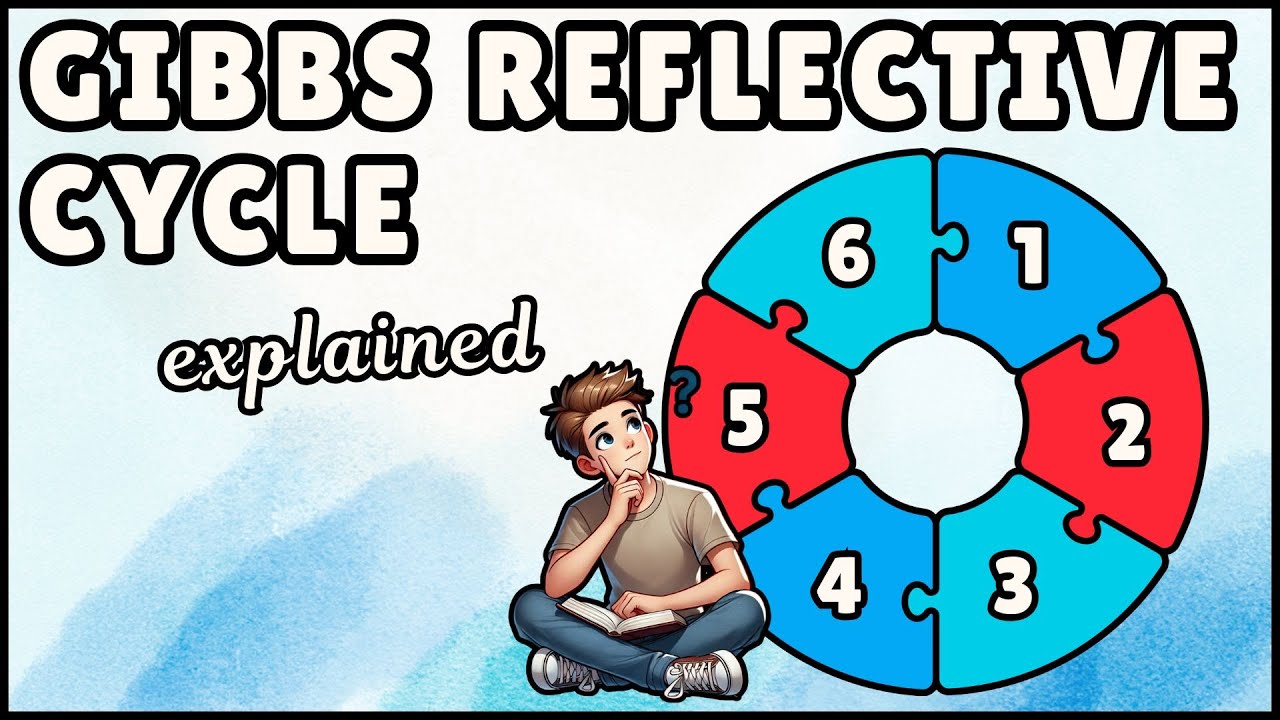
Gibbs' Reflective Cycle is a structured framework for reflection, designed to help individuals learn from their experiences and improve future actions. Developed by Graham Gibbs in 1988, it consists of six stages: Description, Feelings, Evaluation, Analysis, Conclusion, and Action Plan. This cyclical model encourages a thorough examination of experiences by breaking them down into manageable steps, promoting deeper understanding and actionable insights.
1. Description: Focuses on detailing what happened during the experience, sticking to objective facts.
2. Feelings: Explores the emotions experienced during the event, acknowledging both positive and negative responses.
3. Evaluation: Examines what went well and what didn’t, identifying strengths and areas for improvement.
4. Analysis: Investigates the reasons behind the outcomes, considering contributing factors and underlying causes.
5. Conclusion: Summarizes key learnings and identifies what could have been done differently.
6. Action Plan: Outlines specific steps or strategies to apply the lessons learned in future similar situations.
Gibbs' Reflective Cycle is widely used in education, healthcare, and professional development to enhance self-awareness and foster continuous improvement.
Доступные форматы для скачивания:
Скачать видео mp4
-
Информация по загрузке: